Skip to Main Content

Three steps to sustainable.

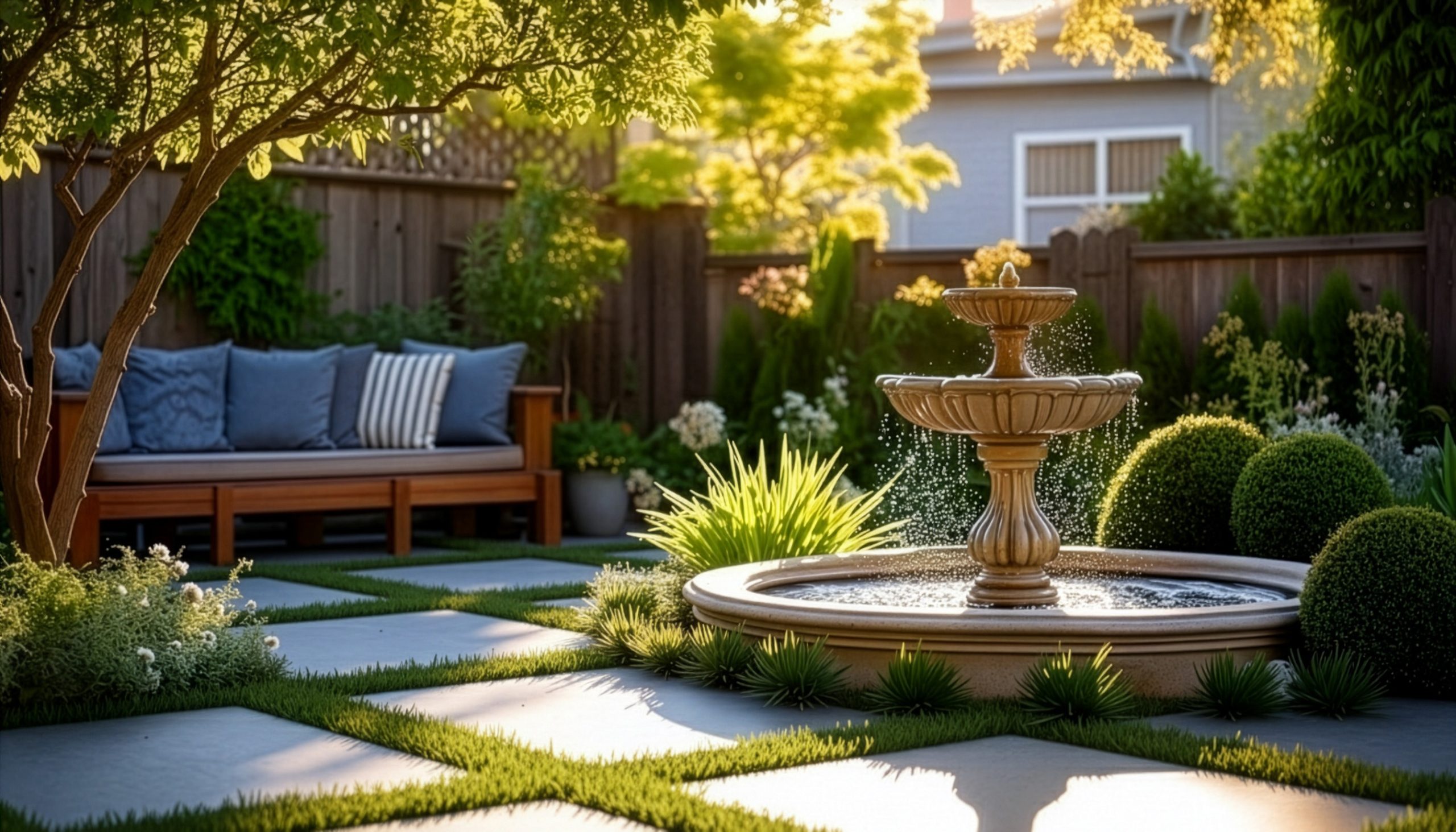
When designed correctly, a sustainable landscape will be beautiful, require minimum maintenance, save precious water, and fill you with a sense of pride every time you gaze out over your yard.

Follow these steps to create a sustainable landscape:

  1. Start with the soil. Healthy soil is the foundation of any successful landscape. Test your soil’s composition to understand what it needs, then enrich it with compost or organic fertilizer. Make sure your yard drains properly — well-aerated soil helps every drop of water count.
  2. Location, location, location. Every plant has its perfect spot. Observe how sunlight moves across your yard throughout the day, and group plants by their light, soil, and water needs. Planting with intention at the start helps your garden grow stronger and more naturally over time.
  3. Be smart about pests. Prevention is key. Choose native plants suited to your climate — especially those adapted to Mediterranean conditions — to create a built-in defense against pests and disease. Encourage beneficial insects like ladybugs and bees, and use less-toxic herbicides such as horticultural vinegars when needed.

With thoughtful planning, your sustainable landscape will flourish season after season — a living, thriving space that’s as beautiful as it is responsible.
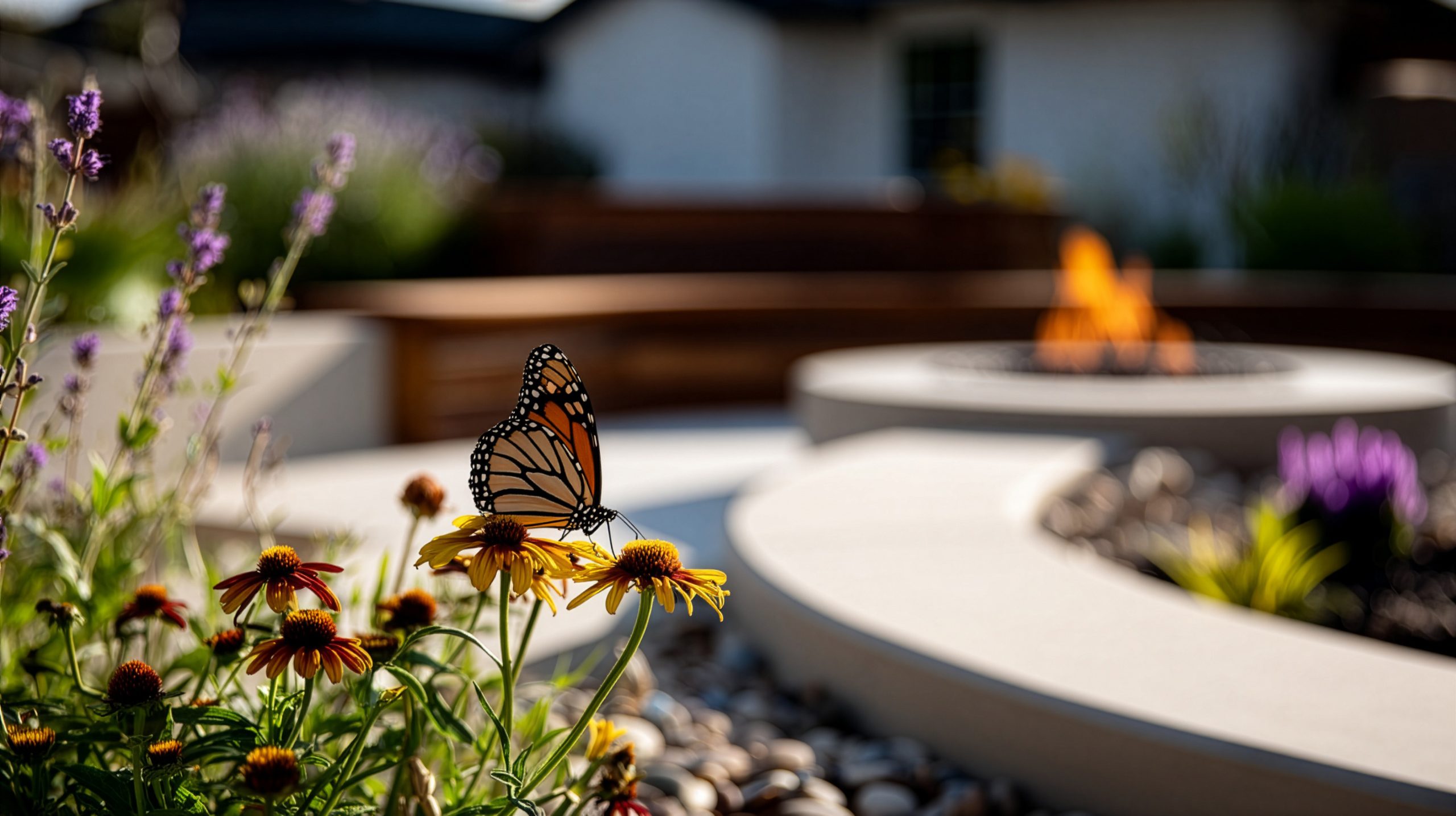
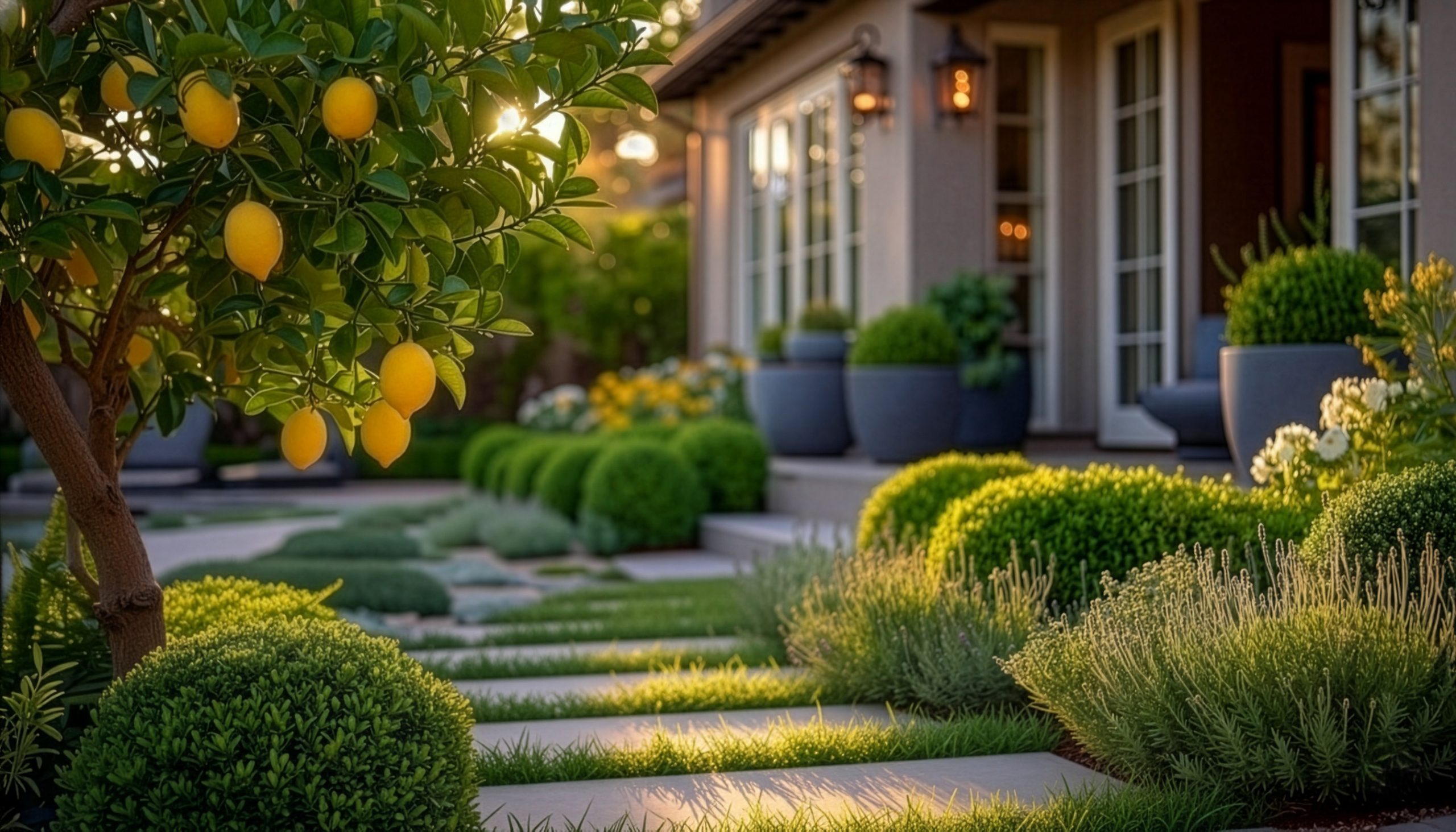
Native plants, natural beauty

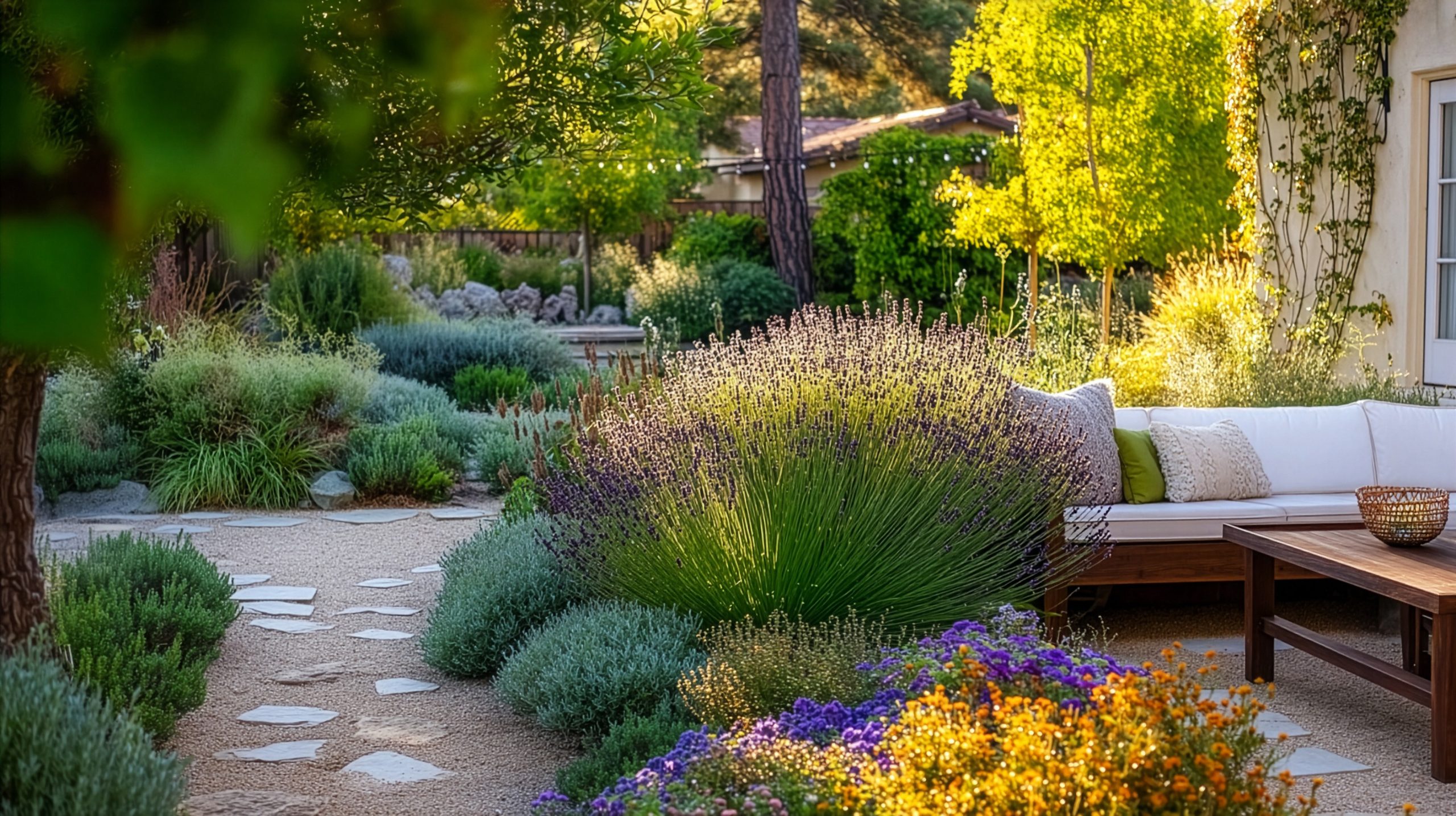
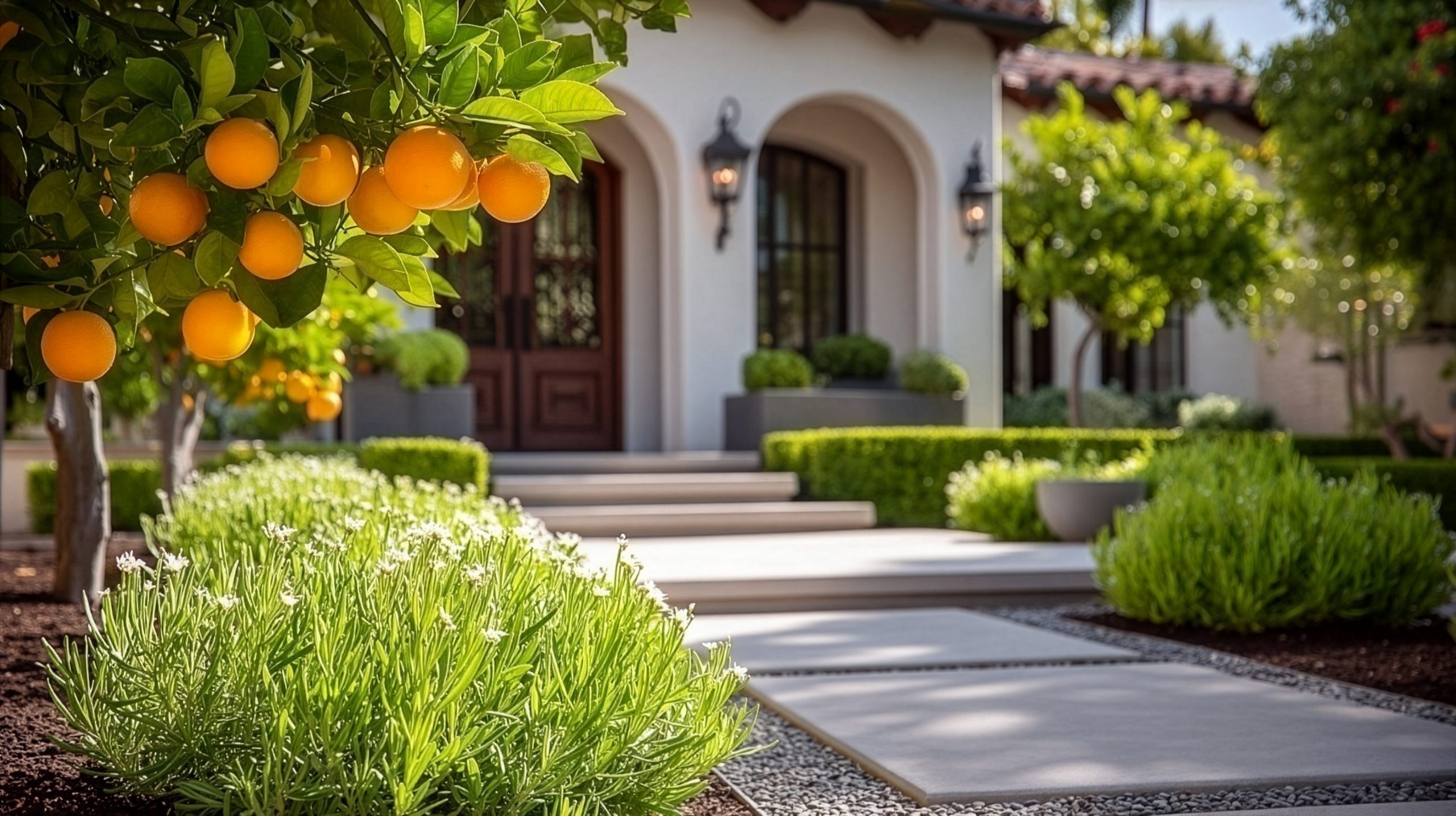
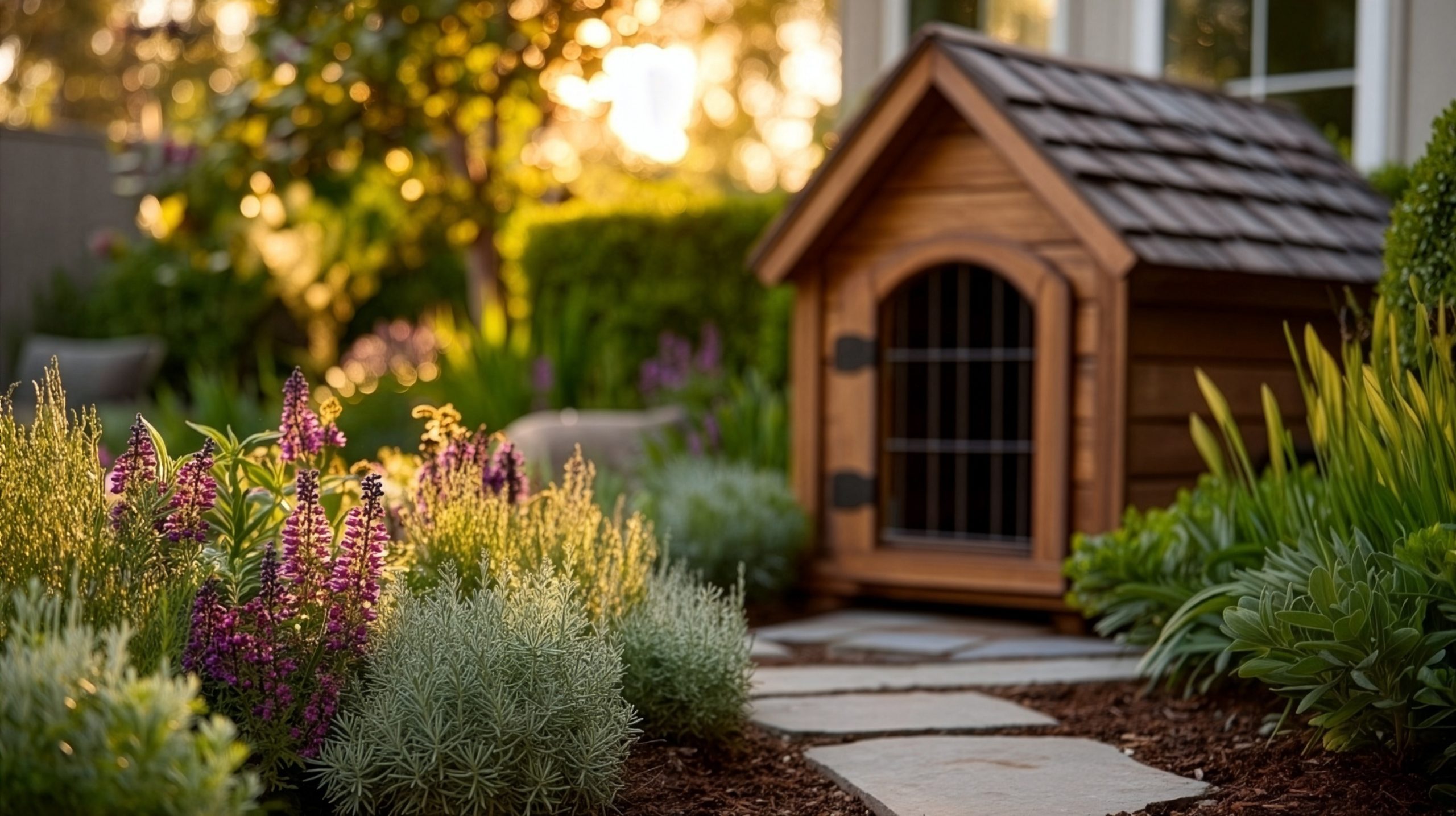
Choosing native or climate-appropriate plants means your garden works with nature, not against it. These plants are already adapted to your local soil and weather, so they need less water, fertilizer, and maintenance — while attracting pollinators like butterflies, hummingbirds, and bees. A native garden looks vibrant year-round and thrives effortlessly.

Water wisely

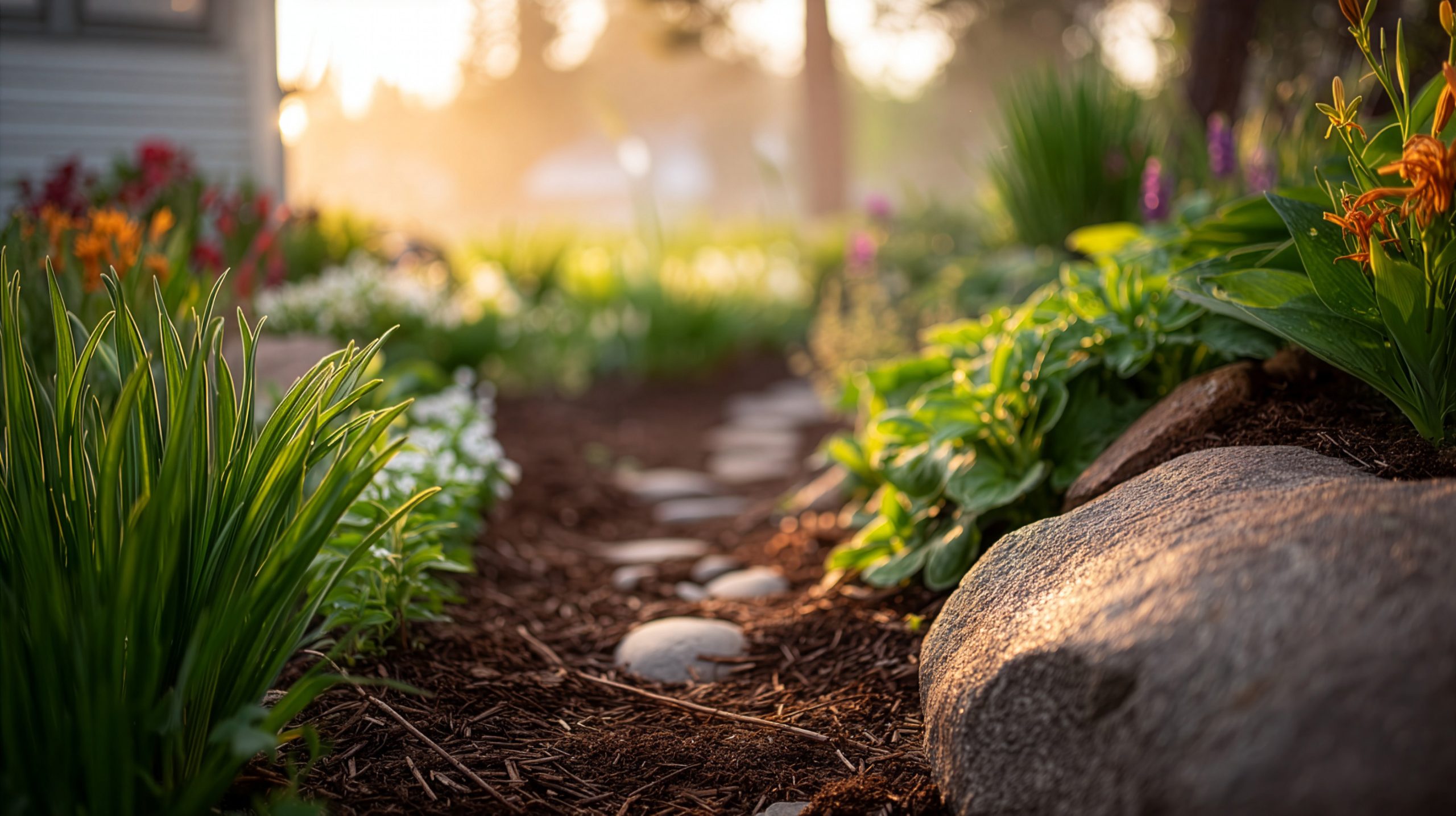
Smart irrigation is one of the simplest ways to make a big impact. Use drip systems or soaker hoses to deliver water directly to plant roots, where it’s needed most. Water early in the morning to reduce evaporation, and group plants with similar water needs together. Add mulch around plants to lock in moisture and save even more water throughout the seasons.

Less waste, more reuse

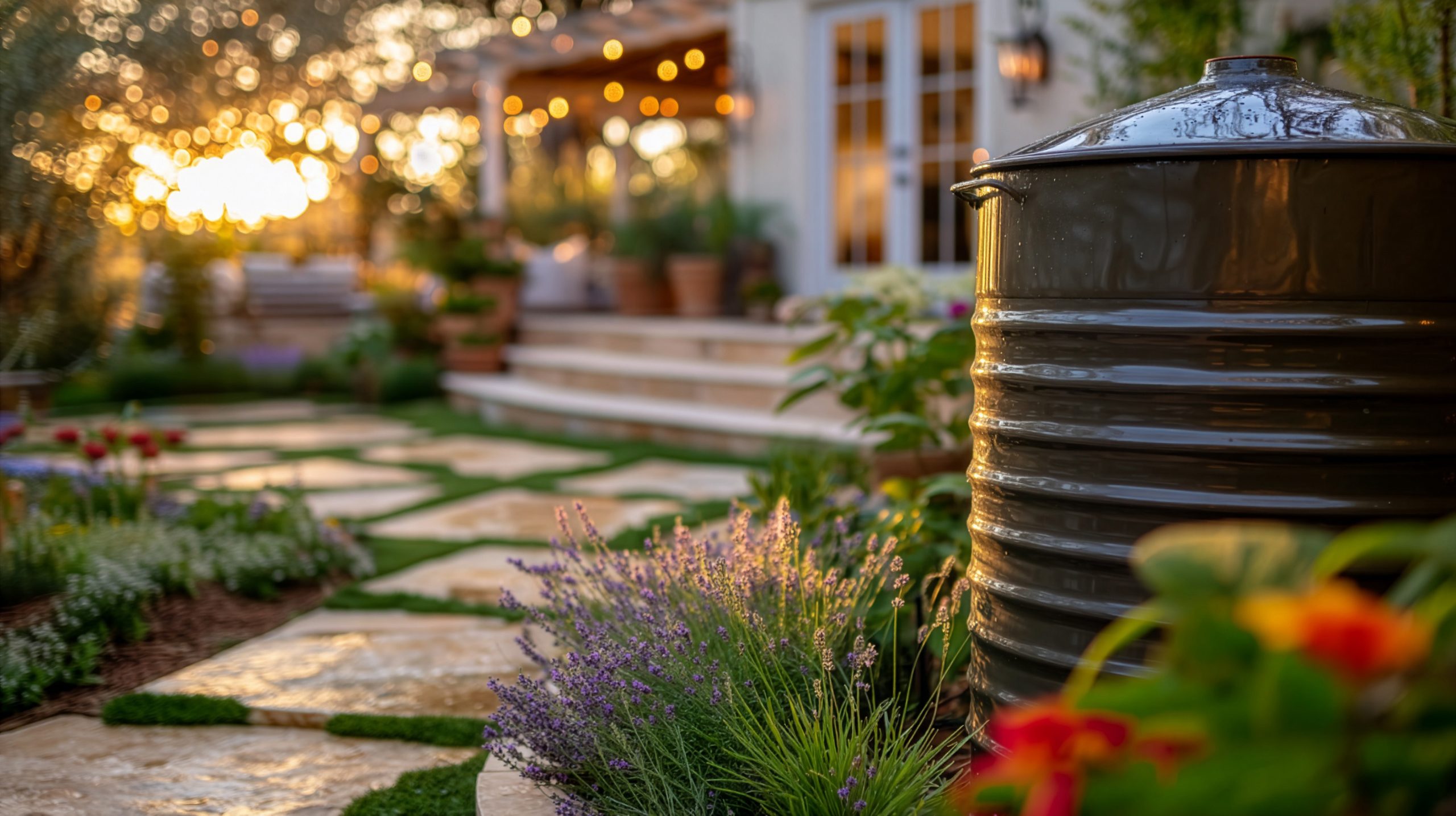
Think of sustainability beyond plants — reuse and repurpose where you can. Turn fallen branches into garden edging, convert old pavers into stepping stones, or collect rainwater for irrigation. Small efforts like these reduce waste and add character to your outdoor space.

Design with inspiration in mind

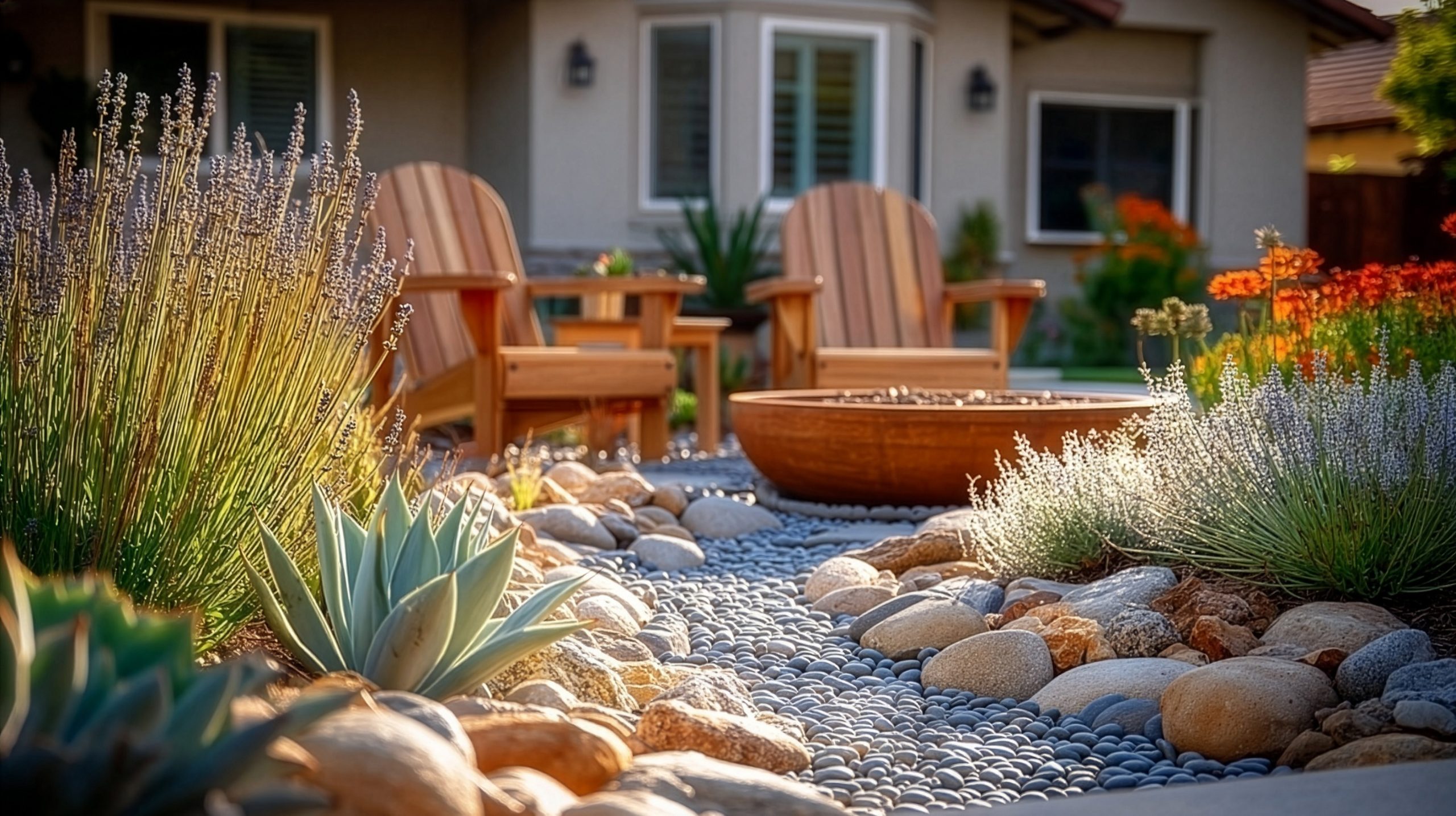
Before you start planting or planning, take time to visualize your dream space. Creating a Pinterest mood board (or using your favorite inspiration app) is a great way to gather ideas for colors, materials, and layouts that speak to you. Pin everything that feels like your vibe — from native plants and cozy seating to eco-friendly pathways and firepits.

Once you have your inspiration collected, look for patterns: Are you drawn to natural textures? Pops of color? Minimalist designs? Use your board to guide decisions on what to plant, what materials to use, and how to bring your Yardtopia to life sustainably.

Check out the Yardtopia Pinterest Board

Newsletter Subscription

Get design inspiration sent straight to your inbox

Verified by MonsterInsights