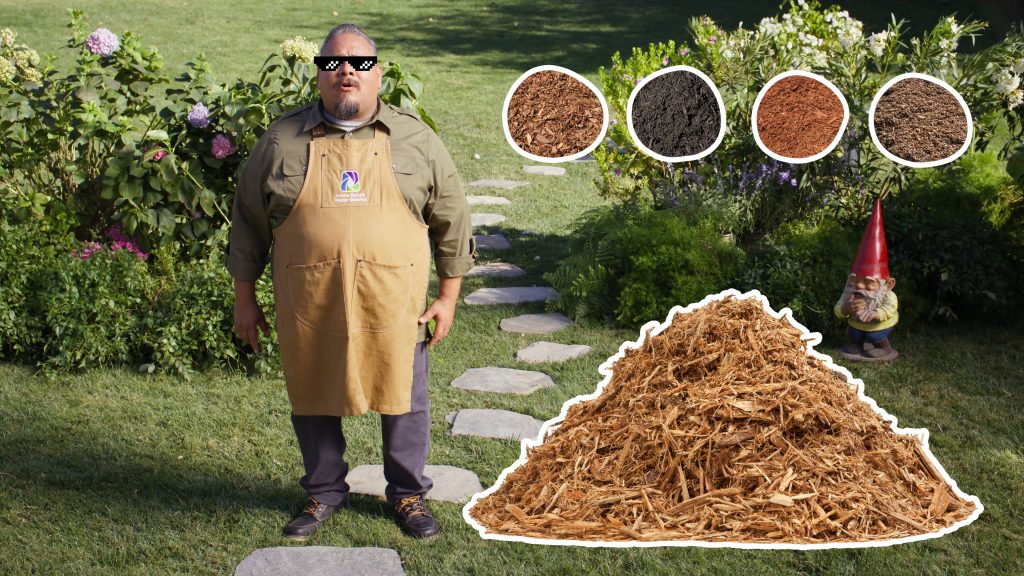
It is harvest season! One of the best ways to add “a little bit of spice” to your fall garden is by utilizing mulch aka a soil superpower that will help elevate the growth of your favorite autumn crops.
What is mulch?
Think of mulch as your garden’s cozy autumn sweater, it provides protection, retains warmth, and keeps everything looking neat and tidy. But unlike that sweater you’ll inevitably spill pumpkin spice latte on, mulch actually improves with time, breaking down to feed your soil and creating the perfect environment for your fall crops to thrive.
The mulch family tree
Mulch comes in two main varieties, each with its own specialties:
Organic mulches are the garden’s best friends because they break down over time, adding nutrients and improving soil structure. Popular options include:
- Shredded leaves – Free, abundant in fall, and perfect for vegetable gardens
- Straw or hay – Excellent for vegetable beds, though make sure it’s seed-free
- Wood chips – Great for perennial beds and pathways, long-lasting
- Grass clippings – Quick to break down and nitrogen-rich (use thin layers)
- Compost – The gold standard that both protects and feeds your plants
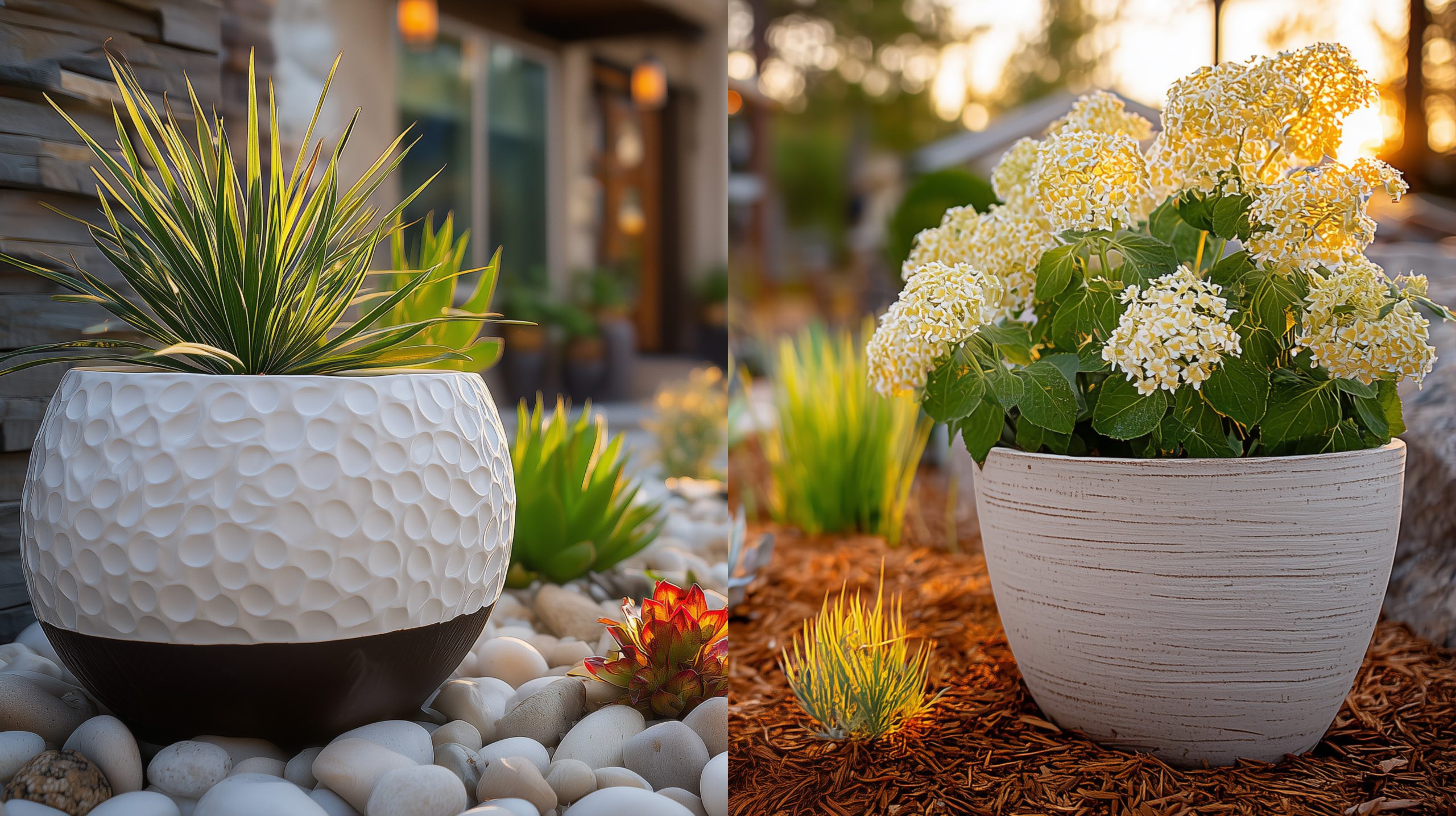
Inorganic mulches don’t decompose but offer excellent weed suppression and moisture retention:
- Landscape fabric – Long-term weed control
- Plastic sheeting – Effective but less environmentally friendly
- Stone or gravel – Permanent solutions for pathways and decorative areas
How to use mulch:
Applying mulch might seem straightforward – just spread it around, right? Well, yes and no. There’s definitely an art to mulching that can make the difference between success and soggy plant disasters.
The golden rules of mulching
Rule #1: Timing is everything
For fall gardening, apply mulch after you’ve planted your crops and the soil has warmed slightly from summer heat. For the OC area, this will probably be late October early November. You want to lock in that stored warmth while giving your plants time to establish.
Rule #2: Layers matter
If you have a variety of crops and plants in you yard, refer to these suggestions to help guide your mulch use:
- Vegetable gardens: 2-3 inches of organic mulch
- Around trees and shrubs: 3-4 inches (but keep it away from the trunk)
- Pathways: 4-6 inches for good weed suppression
- Never mulch more than 4 inches deep – your plants need to breathe!
Rule #3: The donut, not the volcano
Always leave a small gap around plant stems and tree trunks. Mulch piled against plants creates a highway for pests and can cause rot. Think donut shape, not volcano!
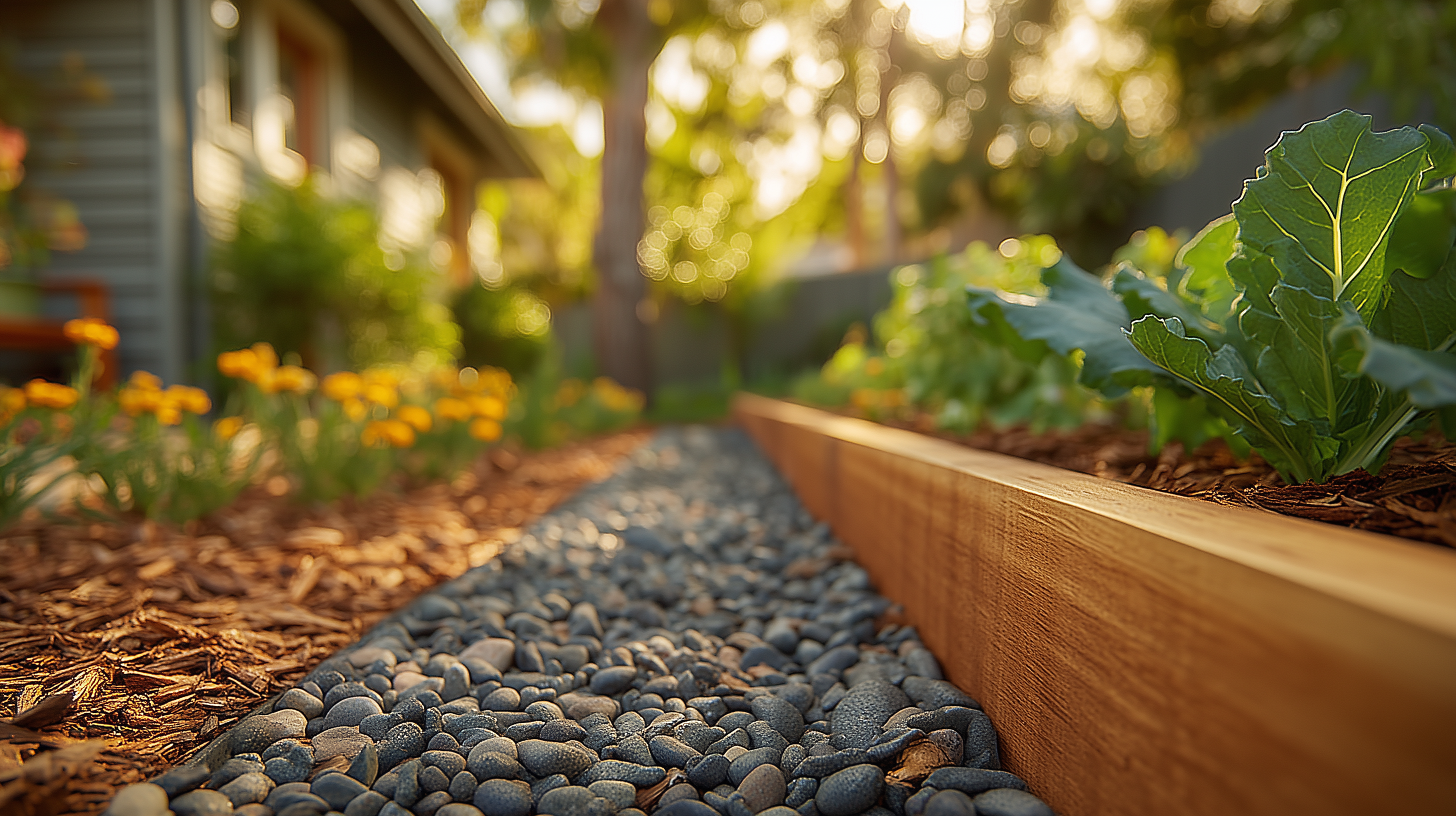
Mulch mixed with fall planting, is a match made in heaven
Fall growing conditions can be tricky due to warm days, cool nights, and potential rain. Mulch addresses all of these challenges by:
- Extending growing season: Mulch can add 2-4 weeks to your growing season by moderating soil temperature
- Providing consistent moisture: Fall rains can be irregular; mulch evens out moisture levels
- Creating cleaner harvests: No more muddy vegetables after autumn storms
- Stabilizing root development: Stable soil conditions encourage deeper, stronger root systems
Good news, you can save on your mulch!
Now is a great time to transform your fall garden with the magic of mulch with the IRWD rebate program! IRWD is offering a special discount to encourage everyone to mulch up their yards for greater water savings and healthier soil. A 3-inch layer is all you need to perk up your landscape and save! Keep in mind the helpful tips to get started and be sure you meet the categories below to be eligible:
- Available to residential customers of IRWD only
- Minimum purchase of 1/2 cubic yard of material
- Maximum purchase 10 cubic yards of material*
- Must have open-bed truck or trailer to accept your mulch** (no containers)
- Colored wood chips not eligible
- Offer expires Dec. 31, 2025
Your Yardtopia is waiting for an upgrade and once you see the results, you’ll have mulch on your mind for life!
Happy fall gardening!