

When Priya and Raj Patel moved into their Lake Forest home in 2019, they fell in love with the spacious backyard and its potential. Three years later, that potential had stalled. The soil had gone concrete-hard, the plants were either drowning or parched, and the yard had become a space the whole family quietly avoided.
KEY TAKEAWAYS
- Compacted, nutrient-depleted soil is often the hidden reason plants struggle, and a layered mulching system is one of the most effective ways to fix it.
- Removing water-hungry turf and replacing it with smart plant beds can dramatically reduce outdoor water use while creating a yard that actually looks and feels better.
- IRWD's turf removal rebates and free Water Efficiency Specialist consultations can make a transformation like this significantly more affordable than most homeowners expect.
What Was Making the Yard So Hard to Keep Alive?
"It was honestly embarrassing," Priya admits, looking out at what is now a thriving landscape. "The soil was so compacted and dry it looked like concrete. Our plants were either drowning or dying of thirst. We'd spent thousands on beautiful plants, but they kept struggling no matter what we tried."
The couple had been fighting their yard for years without realizing the real problem wasn't the plants or their effort. It was the soil itself.
"I thought mulch was just decorative wood chips you scattered around. I had no idea it would completely transform how our entire yard functions."
Raj P., Lake Forest homeowner
The turning point came when a neighbor mentioned IRWD's landscaping rebate programs. Their landscape designer took it further, introducing them to what Priya now calls the magic ingredient: a comprehensive mulching strategy that would change how the entire yard functioned from the ground up.
How Does a Layered Mulching System Actually Work?
Working with their designer and an IRWD Water Efficiency Specialist, the Patels learned that their plants weren't just fighting Southern California's heat. They were fighting soil conditions that made it nearly impossible for roots to establish and moisture to hold.
The solution was a three-layer approach applied throughout their new plant beds:
- Base layer: Compost-enriched mulch to rebuild soil structure and add nutrients
- Middle layer: Fine bark mulch for moisture retention between waterings
- Top dressing: Decorative stone mulch in key areas for visual interest and long-term weed suppression
GOOD TO KNOW
Mulch does more than hold moisture. A proper mulch layer regulates soil temperature, which matters enormously in Southern California summers where bare soil can heat up enough to stress or kill roots even when watering is consistent.
Before installing the new plant beds, the Patels also applied for IRWD's turf removal rebate, pulling out 800 square feet of patchy, water-hungry lawn that had never quite recovered from years of drought stress. That single decision freed up both budget and space for the transformation they actually wanted.
QUICK STAT
800 sq ft — The amount of water-hungry turf the Patels removed, replacing it with layered plant beds that use a fraction of the water while looking dramatically better year-round.
What Did the Finished Backyard Feel Like?
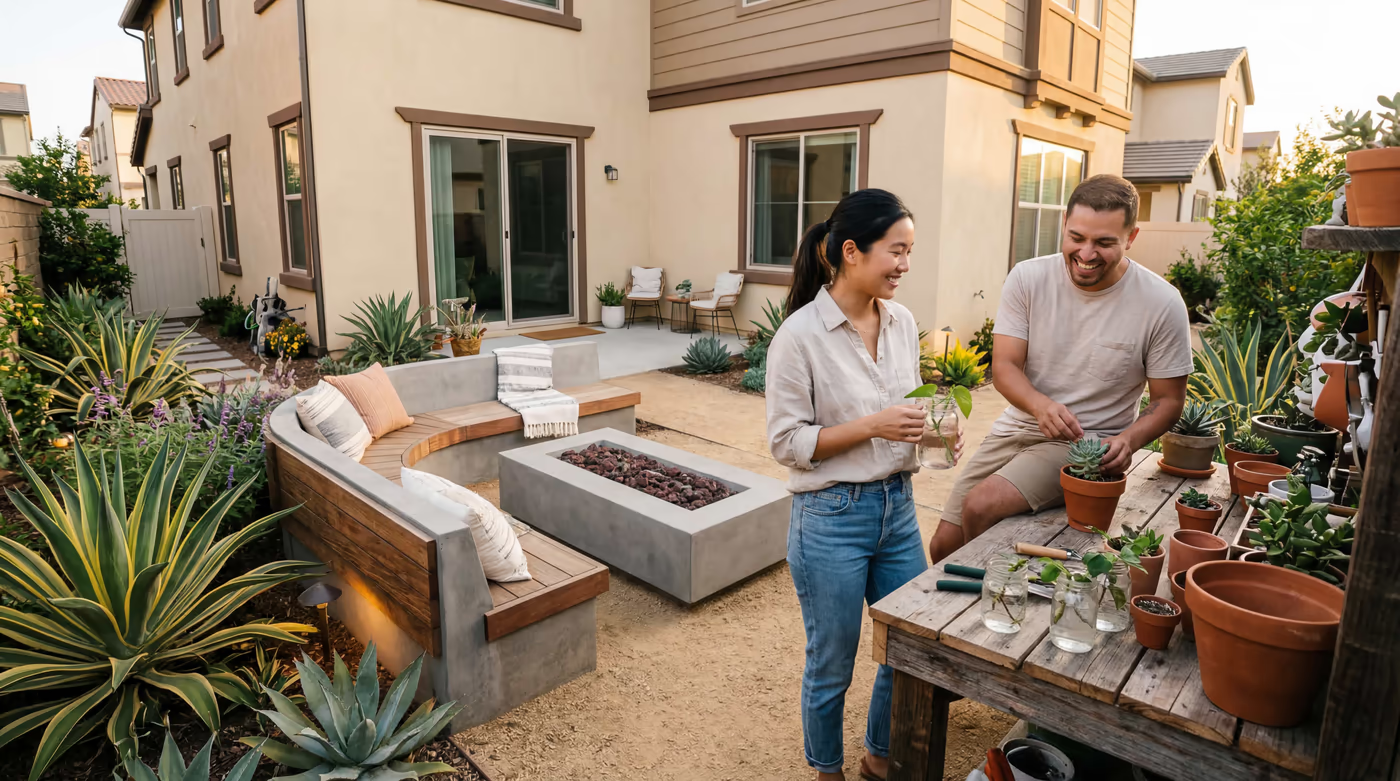
Two years after their transformation, the Patel family's backyard has become exactly what they imagined when they first moved in: a beautiful, functional space where they genuinely love to spend time.
"Friends always comment on how lush and healthy everything looks," Priya says. "But the best part isn't how it looks. It's how it feels to actually use this space. We went from avoiding our backyard to it being the heart of our home."
"We went from avoiding our backyard to it being the heart of our home."
Priya P., Lake Forest homeowner
What Would the Patels Tell Other Homeowners?
If your yard is giving you more frustration than joy right now, Priya and Raj's experience points to a few things worth knowing before you spend another dollar on plants or watering schedules:
- Look below the surface first. Struggling plants are often a soil problem in disguise. Fix the foundation before you replant.
- Think in layers. A single type of mulch helps. A layered system transforms.
- Use the resources available to you. IRWD's rebate programs and free specialist consultations exist specifically to help Orange County homeowners make this kind of change more affordable.
- Design for the yard you want to live in. Once the right systems are in place, a beautiful, low-maintenance backyard practically takes care of itself.
GOOD TO KNOW
IRWD offers free consultations with certified Water Efficiency Specialists who can evaluate your existing landscape, recommend improvements, and walk you through available rebate programs, at no cost and no strings attached. Visit IRWD.com/rebates for current program details.
Your Yardtopia journey starts the same way the Patels' did: with one honest look at what isn't working, and a first step toward something better.



.avif)