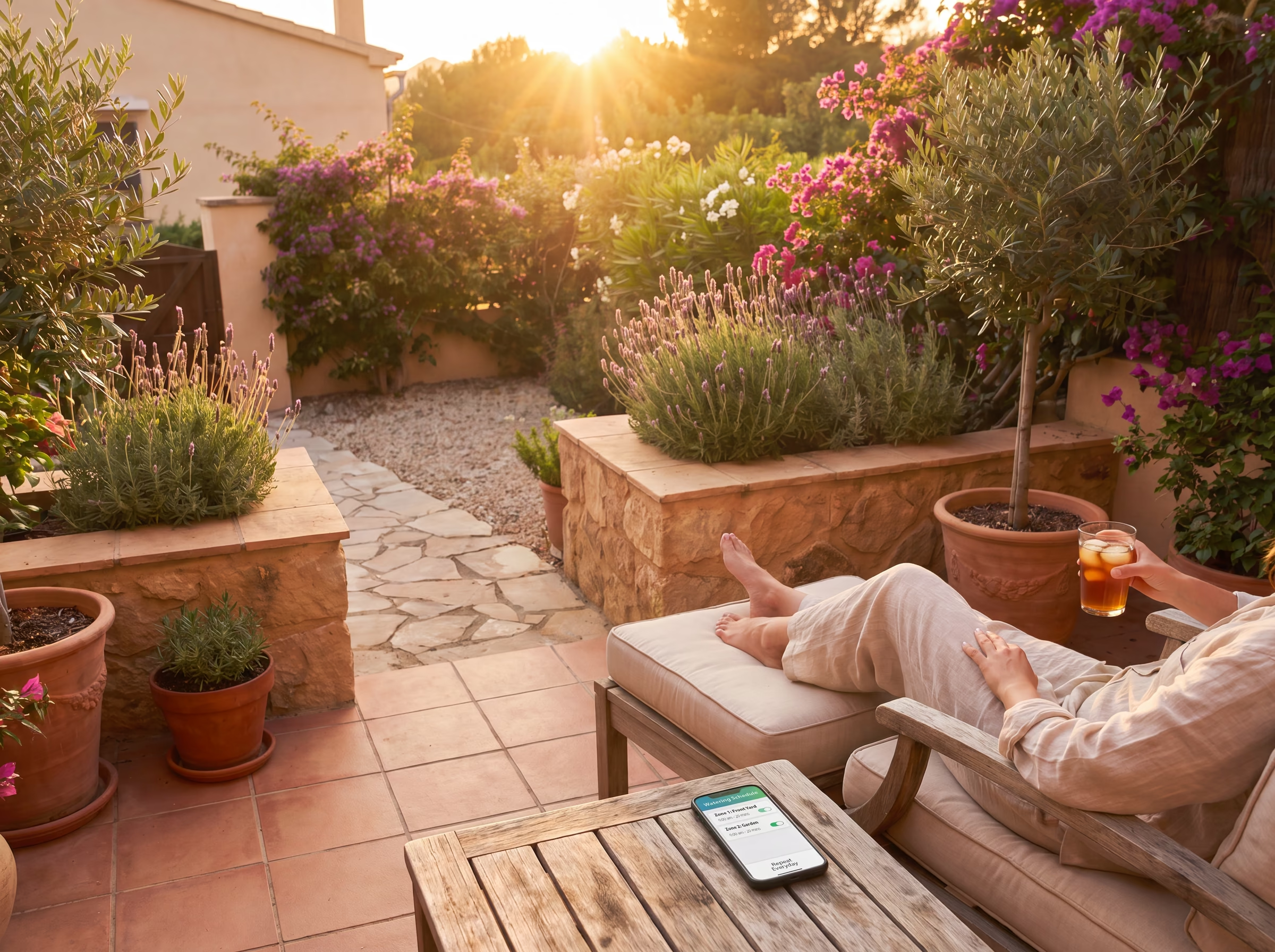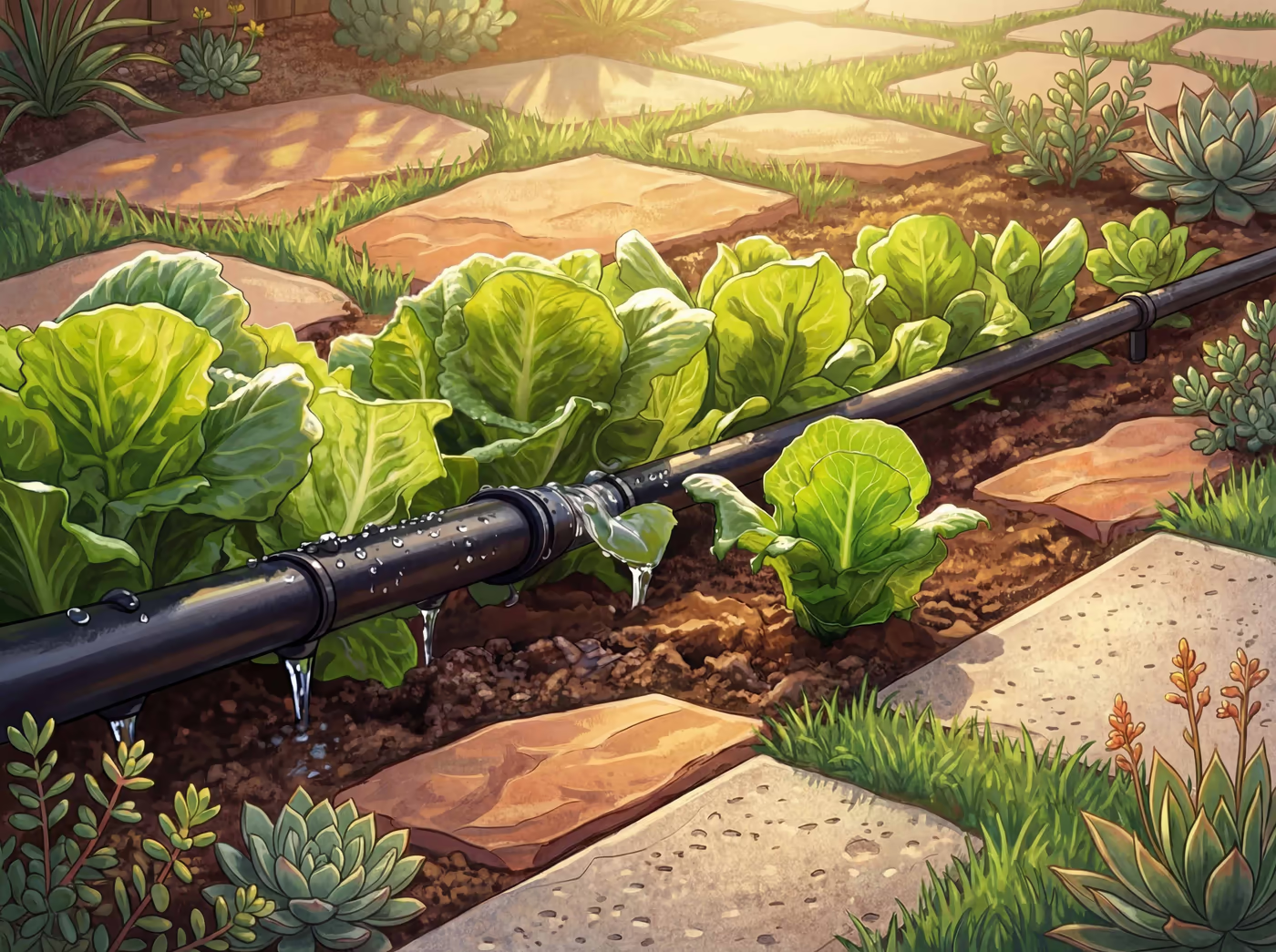

A patio pot can lose its entire reservoir of moisture in a single SoCal afternoon. The soil volume is small, the sides bake in the sun, and the roots have nowhere cool to retreat. That is why the same container that coasted along on a weekly drink in May suddenly looks parched by lunchtime in July.
Knowing how often to water outdoor potted plants in summer is the difference between a container garden that thrives and one that fries by August. In SoCal, most outdoor potted plants in full sun need a deep watering every one to two days, with daily watering during 95-plus degree heat waves and Santa Ana wind events. That rhythm keeps a water-smart Botanical Bento thriving through the hottest, driest stretch of the year without guesswork.
KEY TAKEAWAYS
- In SoCal summer, full-sun pots need a deep soak every one to two days; partial-shade pots every two to three days; and succulent or Mediterranean pots every four to seven days.
- Water by soil moisture, not by the calendar, and always in the cool of early morning.
- Heat waves and Santa Ana winds dry pots faster than ordinary summer days, so check daily and be ready to water more often.
How often to water outdoor potted plants in summer: the SoCal baseline
In SoCal summer, most outdoor potted plants in full sun need a deep watering every one to two days, with daily watering during 95-plus degree heat waves and Santa Ana wind events. Containers dry out far faster than the open ground because they hold a limited volume of soil, their sides are exposed to heat, and the entire root zone warms up at once.
Use this baseline and adjust by exposure and plant type:
Container typeSummer watering rhythmFull-sun pots (most flowering bentos)Every 1 to 2 daysPartial-shade potsEvery 2 to 3 daysSucculent and Mediterranean potsEvery 4 to 7 days
The specific plants in your container drive the rhythm, which is the best argument for choosing them all from one water-needs group. For a typical SoCal Botanical Bento built around mixed water-smart plants, expect a deep watering every other day in peak summer. To pick plants that forgive a missed day, see our guide to drought-tolerant container plants.
How do you know when a container plant needs water?
Check a container plant for water by pushing a finger one to two inches into the soil, lifting the pot to gauge its weight, and watching for leaves that cup, curl or lose color. Three simple reads, and you never have to guess.
The finger test is still the best. Push a finger one to two inches down: if the soil is dry at your fingertip, water; if it is still damp, wait. The lift test works on smaller pots. Learn what the container weighs right after watering and what it weighs when dry, and the difference becomes your cue since a light pot is a thirsty pot.
The leaf test is your backup. Drooping is a late signal, but cupping or curling leaves and a dull, gray-green cast mean the plant is under heat stress and needs a drink.
PRO TIP
Water in the early morning, before the sun is high. The plant goes into the heat of the day fully hydrated, the leaves dry before midday so they do not scorch, and far less water is lost to evaporation than during an afternoon watering.
What is the right way to water a container plant?
Water a container plant deeply and slowly until water runs freely from the drainage holes, then let the top inch of soil dry before watering again. Deep and infrequent beats shallow and daily, because it pulls roots downward and builds a stronger, more resilient plant.
A shallow daily sprinkle is the wrong rhythm. It wets only the top layer, encourages shallow roots that fry in the heat, and leaves the lower root zone dry. Water until you see it drain, then stop and let the pot breathe.
For plants that resent wet leaves and crowns, like rosemary, lavender and succulents, bottom-watering is a good option: set the pot in a tray of water for 20 minutes and let it drink from below. Because every plant in a well-built bento was chosen for similar needs, you water the whole composition the same way, as one unit.
How do SoCal heat waves and Santa Anas change the rhythm?
During SoCal heat waves and Santa Ana wind events, shift to daily early morning watering and consider midday shade cloth for the most exposed pots. These are the conditions that catch people off guard, because the calendar says water every other day but the weather says otherwise.
90 to 100 degree stretches
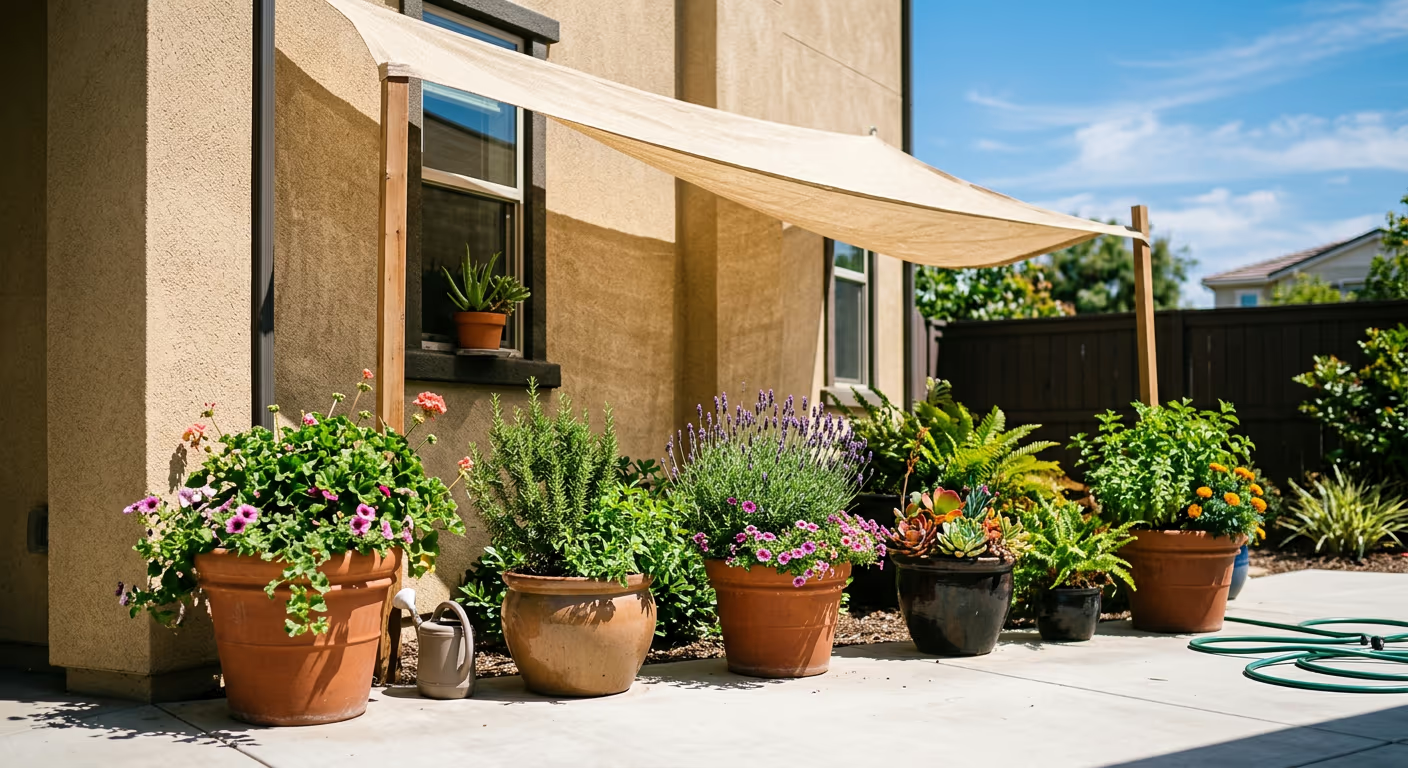
When the thermometer climbs into the 90s and beyond, move to daily watering and get it done by 6 to 8 in the morning. For the most exposed containers, a temporary square of shade cloth over the hottest hours takes the edge off without becoming a permanent fixture.
Santa Ana wind weeks
Wind is the silent dehydrator. A Santa Ana can pull moisture out of a pot faster than heat alone, even on a day that does not feel especially hot. Check every container every morning during a wind event, and be ready to water small pots twice in the same day.
Coastal versus inland Irvine
Microclimate matters. Coastal Irvine and Newport stay cooler and more humid, so pots there dry more slowly. Inland Irvine, Lake Forest and Tustin run hotter and drier, so containers there need water more often. Let your own patio, not a general rule, set the schedule.
GOOD TO KNOW
Evapotranspiration, the combined water loss from soil evaporation and plant use, climbs sharply in SoCal summer and spikes further during heat and wind. That is the science behind why the same pot that needed water twice a week in spring can need it daily in a July heat wave.
Can you overwater outdoor potted plants?
Yes, you can overwater outdoor potted plants, and overwatering is the leading cause of container plant death even in SoCal summer. Soggy soil suffocates roots, which need air as much as water, and constant moisture invites root rot.
Watch for the signs: yellowing lower leaves, mushy stems, fungus gnats, and soil that stays wet for days. The fix is to stop watering, confirm the pot is draining freely, and repot in fresh mix if the soil has turned sour. When in doubt, wait a day and check the soil rather than watering on schedule.
What are the three rules of watering container plants?
The three rules of watering container plants are water deeply, water based on soil moisture rather than the calendar, and water in the cool of early morning.
Follow those three and you have solved most of container watering before you ever turn on the hose.

What is the most common mistake with container plants?
The most common mistake with container plants is watering on a calendar instead of by soil moisture, which leads to overwatering in cool weeks and underwatering in heat waves. The weather does not follow a schedule, and neither should you.
EXPERT TIP: David Gomez, IRWD Water Efficiency Specialist
A thin layer of mulch on top of a container's soil is the most underrated summer move. It shades the soil, slows evaporation, and can stretch the time between waterings by a day in peak heat. A handful of bark or fine gravel over the surface does the job.
If you want plants that forgive a missed watering on a busy week, the answer is plant selection. Our guide to drought-tolerant container plants covers the toughest, most forgiving water-smart picks, and you can see the whole framework in the Botanical Bento how-to.
“It’s important to maintain your irrigation system to avoid over-watering, maintain plant health and reduce runoff. To retain soil moisture while discouraging weeds, IRWD encourages generous use of mulch to cover garden and bedding soils.”
— Juan C. Garcia, Sr. Water Efficiency Specialist, IRWD
Do self-watering containers actually work?
Yes, self-watering containers can extend the time between waterings to four to seven days for most patio plants by storing water in a reservoir below the root zone. The plant wicks moisture up as it needs it, which evens out the supply and makes vacation weeks far less stressful.
They are not right for everything, though. Succulents and Mediterranean plants that want their roots to dry out between drinks can sulk in the constant moisture of a self-watering pot. Mineral buildup in the reservoir over time is worth a periodic flush. For thirsty, fast-growing flowering plants, a self-watering container is a genuine help; for a low-water bento, a good potting mix and a regular morning check usually serve better.
Beyond the bento
The watering rhythm you have learned for your bento is the same skill that keeps a whole yard healthy, just at a different scale. As you grow more confident, you can carry these plants and this thinking into the rest of your space.
A few ways to take it further:
Master watering in a bento and you have mastered it for your whole Yardtopia. To see how the jump from container to in-ground really works, follow the thread to backyard design ideas.
Keep it simple
Here is the whole guide in one sentence: water deeply, every other day or so in peak summer, by feel and not by calendar, in the cool of the morning. Everything else is just adjusting for heat, wind, and the plants you chose.
Turn a slow morning walk past your pots into a watering check. Coffee in hand, finger in the soil, a quick lift of the lighter pots. It takes two minutes and it is the difference between a container garden you worry about and one that simply makes you happy. When you are ready to plan more of your space, the IRWD SimplyScapes design tool and The Dirt newsletter are there for the next step.