
The right plants, surfaces, and layout create a Yardtopia your dog loves and your neighborhood envies. Here is how to build one that works for everyone.
KEY TAKEAWAYS
- Several of the most popular drought-tolerant plants sold at Southern California nurseries, including sago palm, oleander, and lantana, are among the most toxic plants for dogs. Knowing which plants to avoid is just as important as knowing which ones to choose.
- The best dog friendly ground covers for our climate, including kurapia, creeping thyme, and Dog Tuff grass, are also drought-tolerant, IRWD rebate-eligible replacements for traditional lawn. A pet-safe yard and a water-wise yard are often the same yard.
- Designing your backyard in zones (play area, potty area, paths, shade) keeps your dog happy, your plants intact, and your maintenance manageable year-round.
Your Yardtopia may be creating the perfect place for you to spend time outside with your dogs and loved ones, so everyone can enjoy the space together. There can be a lot to consider from safe plants to plant, shaded areas, water features and spaces where your pets can explore safely.
This guide walks through every decision that matters for dog friendly landscaping in Southern California: which plants are toxic and which are safe, which ground covers handle heavy paw traffic without dying, which surfaces stay cool enough for bare pads in hotter weather, and how to zone your yard so your dog has room to run while your garden has room to grow. Every recommendation is chosen for our climate, our water realities, and the way Southern California families actually live with their pets.
Why Is the "Drought-Tolerant" Aisle Dangerous for Dog Owners?
Here is what most dog owners do not realize: several of Southern California's most commonly sold drought-tolerant plants are among the most toxic to dogs. The nursery industry organizes by water needs and sun exposure, not by toxicity. Below are some plants to avoid when looking for landscaping ideas.
The three worst offenders are plants you have almost certainly seen in your neighborhood, and possibly in your own yard.
Sago palm (Cycas revoluta) is the single most dangerous landscape plant for dogs in Southern California. Every part of the plant is toxic, but the seeds are the most concentrated. A dog that chews on a single seed can begin showing symptoms within hours, with liver failure potentially developing over two to three days. The ASPCA reports that sago palm ingestion has a mortality rate above 50 percent even with aggressive veterinary treatment. Despite this, sago palms remain one of the top-selling ornamental plants in our region.
Oleander (Nerium oleander) lines freeways, medians, and residential yards across Southern California. It is genuinely beautiful, nearly indestructible, and wildly toxic. Oleander contains cardiac glycosides that affect the heart. A dog that chews leaves, flowers, or even drinks water from a container where oleander branches have fallen can develop cardiac arrhythmia, seizures, and death. The plant is so toxic that burning oleander clippings produces dangerous smoke.
Lantana (Lantana camara) is sold as a colorful, heat-loving, low-water ground cover. Its berries, particularly the green unripe ones, contain pentacyclic triterpenoids that cause liver damage in dogs. Lantana is listed as toxic by both the ASPCA and the UC Davis School of Veterinary Medicine. It is also, frustratingly, one of the most recommended plants in generic "drought-tolerant landscaping" guides.
GOOD TO KNOW
If your dog has ingested any part of a sago palm, oleander, or lantana, contact your veterinarian immediately or call the ASPCA Animal Poison Control Center at (888) 426-4435. Time is critical, especially with sago palm, where liver damage can progress rapidly within the first 24 hours.
The good news is that for every toxic plant on the nursery shelf, there is a pet-safe alternative that fills the same design role. Sago palm's sculptural look can be replaced with foxtail agave or bird of paradise. Oleander's screening function works just as well with Carolina cherry or toyon. Lantana's ground-hugging color can be swapped for trailing rosemary or California fuchsia. You do not have to compromise on beauty. You just have to know what to reach for.
Which Common Southern California Plants Are Toxic to Dogs?
The list extends well beyond the three worst offenders. Several plants that are fixtures of Southern California landscaping pose real risks to dogs, and many homeowners have them in their yards without knowing it. Here is a practical reference organized by how commonly the plant appears in Orange County neighborhoods. Always confirm HOA requirements before planting.
PlantToxic PartsSymptoms in DogsSeverityCommon Uses in SoCalSago PalmAll parts, especially seedsVomiting, liver failure, seizures, deathLife-threateningOrnamental focal pointOleanderAll parts, including water runoffCardiac arrhythmia, seizures, deathLife-threateningScreening hedge, freeway medianLantanaBerries (especially unripe)Liver damage, vomiting, weaknessSeriousGround cover, border plantAzalea/RhododendronAll partsVomiting, drooling, weakness, comaSeriousShade garden ornamentalLily of the Nile (Agapanthus)All partsVomiting, diarrheaModerateBorder plant, mass plantingDieffenbachiaLeaves, stemsOral irritation, swelling, droolingModerateIndoor/outdoor container plantAloe veraLatex (under skin)Vomiting, diarrhea, lethargyModerateContainer succulent, medicinalBird of Paradise (Strelitzia)Seeds, fruitMild GI upsetLowOrnamental accentJade PlantAll partsVomiting, depression, incoordinationModerateContainer succulent
This is not an exhaustive list. The ASPCA maintains a searchable database of more than 1,000 plants with toxicity ratings for dogs, cats, and horses. Before adding any new plant to your yard, a quick search at aspca.org/pet-care/animal-poison-control takes less than a minute and could prevent an emergency visit.
GOOD TO KNOW
Most dogs do not habitually eat landscape plants. But puppies chew everything, some breeds are notorious plant-chewers, and even well-behaved adult dogs may investigate fallen berries or seeds. The safest approach is to plant species that pose no risk even in a worst-case scenario, especially in areas where your dog spends unsupervised time.
What Are the Best Dog Safe Plants for Southern California Yards?
Many of the plants that are safest for dogs are also the ones best adapted to our Mediterranean climate: California natives, Mediterranean herbs, and tough ornamentals that evolved to handle heat, low water, and alkaline soil.
Here are the standouts, organized by landscape function to keep your Yardtopia centered around pet safety.
"California is the most biodiverse state in the nation. About one-third of the plants that grow here naturally don't grow anywhere else in the world. Native gardens are beautiful, save water, and provide habitat for pollinators and wildlife."
— Irina Ensminger, Board member, California Native Plant Society, OC Chapter
Dog Safe Shrubs and Accent Plants
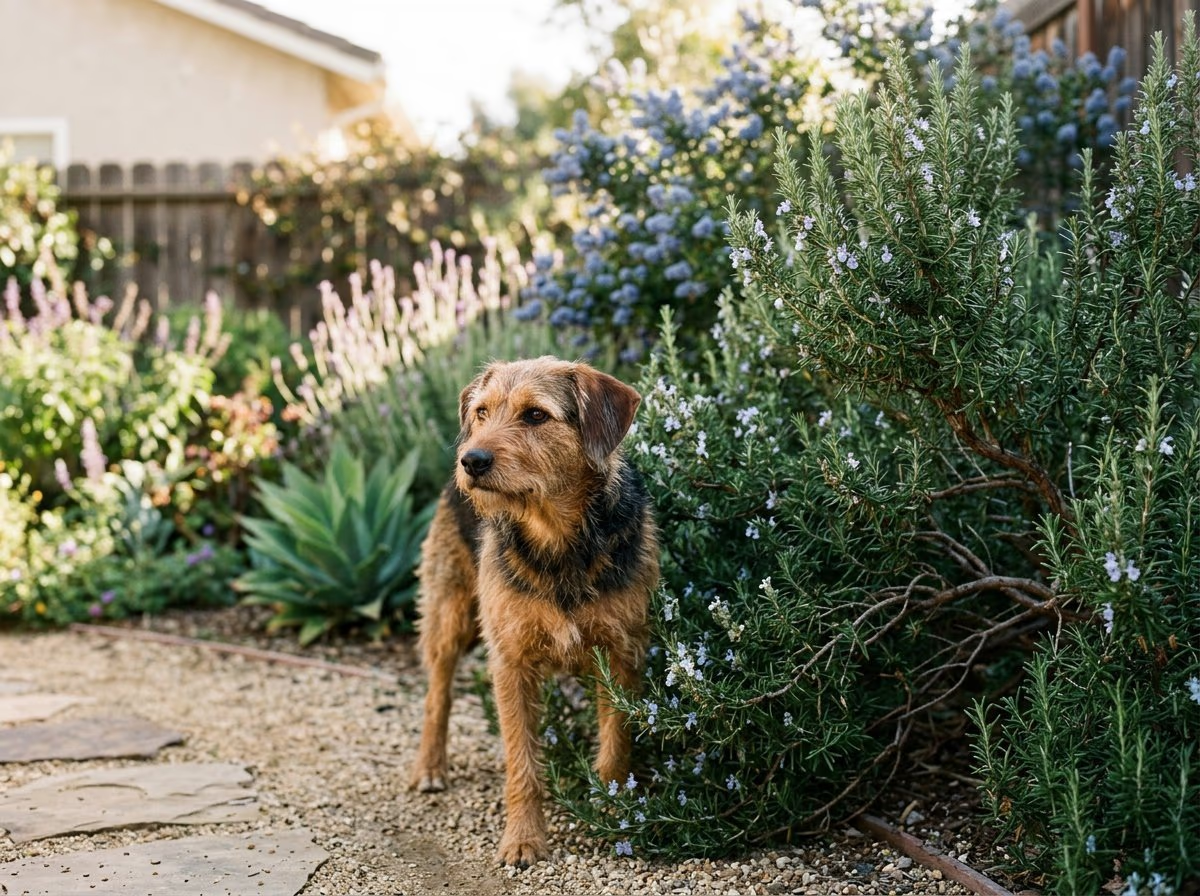
Rosemary (Salvia rosmarinus) is one of the most versatile dog safe plants for Southern California. It is non-toxic, drought-tolerant, evergreen, fragrant, and doubles as a culinary herb. Trailing varieties work as ground cover on slopes. Upright varieties form dense hedges or borders. Rosemary thrives on neglect, handles full sun, and attracts pollinators while deterring several pest insects.
California Fuchsia (Epilobium canum) produces brilliant red-orange tubular flowers from late summer through fall, precisely when most other plants are winding down. It is a California native, requires almost no supplemental water once established, and is a hummingbird magnet. Completely non-toxic to dogs.
Toyon (Heteromeles arbutifolia) is the plant that gave Hollywood its name (the hills were covered with toyon berries that early settlers mistook for holly). This California native produces clusters of bright red berries in winter, grows as a large shrub or small tree, and is non-toxic to dogs. It serves as an excellent screening plant, replacing oleander in yards where pet safety matters.
Camellia (Camellia japonica / C. sasanqua) provides shade-garden color and structure without toxicity concerns. Camellias bloom in fall and winter when most gardens are dormant, prefer partial shade, and work beautifully in north-facing side yards or under mature trees.
Dog Safe Herbs and Edibles
Basil (Ocimum basilicum), thyme (Thymus vulgaris), sage (Salvia officinalis), and oregano (Origanum vulgare) are all non-toxic to dogs and all thrive in Southern California's warm, dry conditions. An herb garden near the kitchen door is one of the simplest ways to add both culinary function and pet-safe greenery to your yard.
Sunflowers (Helianthus annuus) are non-toxic, fast-growing, and wildly popular with both kids and dogs. Plant them along a fence line for seasonal color and a sense of backyard abundance.
California Natives That Are Pet-Safe
Several California native plants are both non-toxic to dogs and perfectly adapted to our climate. Cleveland sage (Salvia clevelandii), California buckwheat (Eriogonum fasciculatum), deer grass (Muhlenbergia rigens), matilija poppy (Romneya coulteri), and manzanita (Arctostaphylos spp.) are all safe choices that require little to no supplemental irrigation once established.
These plants serve double duty in a pet-friendly yard: they are safe for dogs, they support local pollinators and wildlife, and they are eligible for IRWD turf replacement rebates when used as part of a lawn-to-landscape conversion.
PRO TIP
When designing a pet-safe garden, create a "buffer zone" of the most durable, non-toxic plants closest to paths and play areas where your dog spends the most time. Reserve more delicate plantings for raised beds or areas behind low fencing where dogs are less likely to trample or chew. This layered approach protects both your dog and your garden investment.
Which Ground Covers Handle Dogs and Drought?
Ground cover is the decision that affects daily life with a dog more than any other landscape choice. Your dog runs on it, rolls in it, digs at it, and uses it as a bathroom. Traditional turf grass meets those demands but at a staggering water cost. In Southern California, a standard lawn uses approximately 44 gallons of water per square foot per year.
The good news: several pet-safe, dog-traffic-durable ground covers are also among the best lawn replacements for our climate. And many are eligible for IRWD rebates, meaning the switch to a dog friendly yard can actually pay for itself.
Ground CoverPet SafeDrought TolerantDog TrafficHeat ToleranceWater NeedsCost per sq ftIRWD Rebate EligibleKurapiaYesExcellentHighHighVery Low$0.50-$1.00YesDymondiaYesExcellentModerateHighVery Low$0.75-$1.50YesWhite CloverYesGoodHighModerateLow$0.10-$0.30 (seed)YesCreeping ThymeYesExcellentModerateHighVery Low$0.50-$1.50YesDog Tuff GrassYes*ExcellentVery HighHighVery Low$0.75-$1.25Yes
*Dog Tuff is a bermuda grass cultivar (Cynodon dactylon). Bermuda grass is not listed as toxic by the ASPCA, though no specific toxicology study has been published for this cultivar. Considered safe based on the species profile.
Kurapia (Lippia nodiflora)
Kurapia is emerging as one of the most popular lawn alternatives in Southern California, and it happens to be an excellent choice for dog owners. This low-growing, dense ground cover forms a thick mat that handles heavy foot and paw traffic. It requires 60 percent less water than traditional lawn, stays green year-round in our climate, and produces small white flowers that attract pollinators.
For dog owners specifically, kurapia's dense growth habit means it recovers quickly from the wear patterns dogs create. It tolerates urine better than many alternatives (though no ground cover is immune to concentrated urine spots). It is mow-optional: you can mow it for a traditional lawn look or let it grow to its natural two to three inch height for a meadow effect.
Dymondia (Dymondia margaretae)
Dymondia, sometimes called silver carpet, creates a flat, dense mat of narrow gray-green leaves that hugs the ground at one to two inches tall. It is one of the most drought-tolerant ground covers available, requiring almost no supplemental water once established. It handles foot traffic well but is less forgiving of heavy, repeated paw traffic in concentrated areas.
Dymondia is best used in areas where your dog walks rather than sprints: pathways, borders, and mixed plantings. It spreads slowly, so plan for a longer establishment period (12 to 18 months for full coverage from plugs). Once established, it is remarkably low maintenance and never needs mowing.
White Clover (Trifolium repens)
White clover is one of the most underrated lawn alternatives for dog owners. It is non-toxic, incredibly tough, fixes nitrogen in the soil (reducing or eliminating the need for fertilizer), stays green even in moderate drought, and handles heavy traffic from both feet and paws. It grows quickly from seed, making it one of the most affordable ground cover options.
The trade-off: clover does attract bees when it flowers. If bee stings are a concern for your dog (or your family), mow periodically to remove the flower heads. Clover also goes semi-dormant in the coldest weeks of winter in inland Orange County, though it greens back up quickly in spring.
Creeping Thyme (Thymus serpyllum)
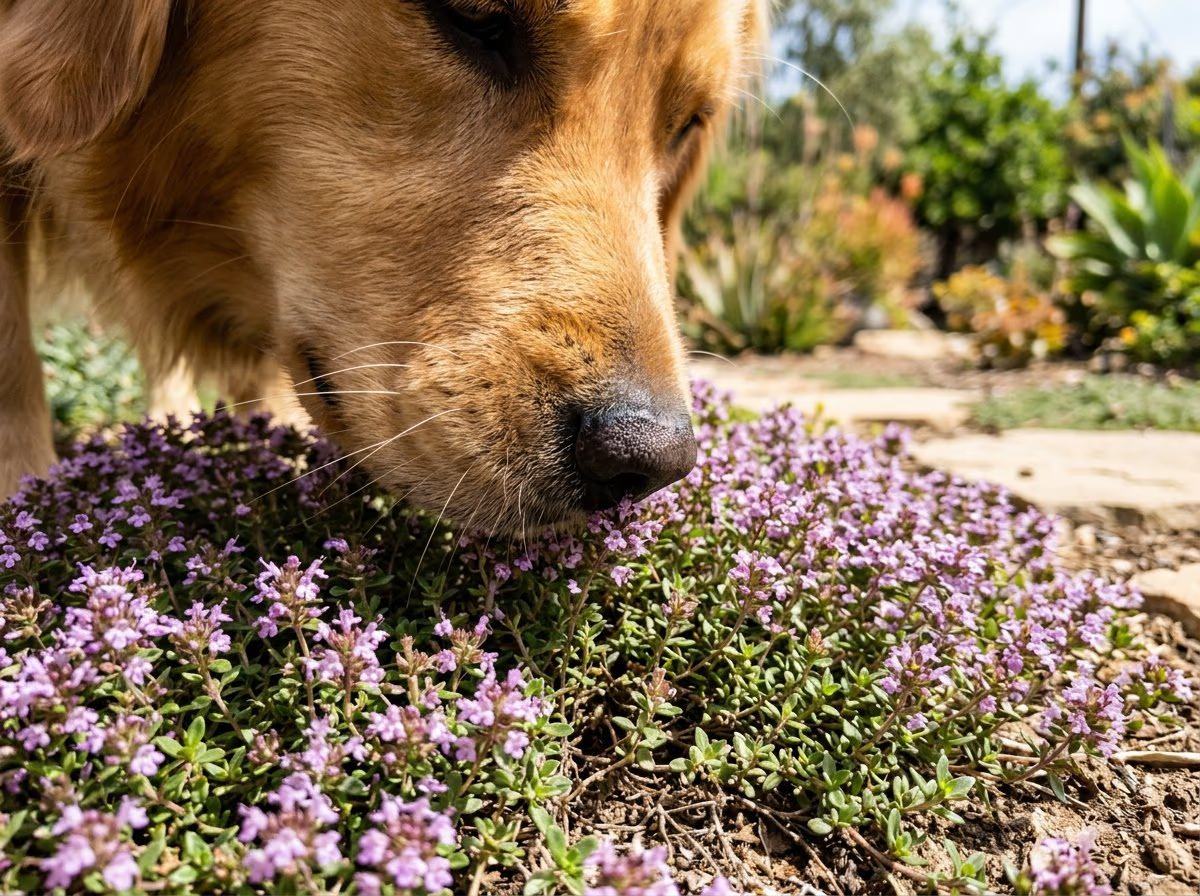
Creeping thyme is pet-safe, drought-tolerant, and produces a fragrant mat of tiny leaves and purple flowers. It stays under two inches tall and releases its scent when stepped on, creating an aromatic experience every time you or your dog walk across the yard. It handles light to moderate traffic well but may thin out in areas of very heavy, concentrated dog activity.
Creeping thyme is an excellent choice for pathways between stepping stones, borders along garden beds, and lower-traffic areas of the yard. It is drought-tolerant once established and thrives in full sun with well-drained soil. It is also one of the most visually appealing ground covers, creating a soft, textured carpet that looks nothing like a traditional lawn and everything like an intentional garden.
Dog Tuff Grass (Cynodon 'PWIN04S')
Dog Tuff is a bermuda grass cultivar bred specifically for durability in high-traffic, low-water landscapes. It is one of the toughest warm-season grasses available, handling heavy paw traffic, digging, and dog urine better than most alternatives. It requires 75 percent less water than traditional turf and stays green from spring through fall in Southern California.
Dog Tuff goes dormant (turns brown) in winter, which is the main aesthetic trade-off. Many homeowners overseed with annual ryegrass in fall for winter green, though this increases water use. If year-round green is a priority, kurapia or a clover-thyme blend may be a better fit.
GOOD TO KNOW
IRWD's turf removal rebate currently offers $2 per square foot for replacing traditional lawn with approved water-wise alternatives. Many of the ground covers listed above qualify. The rebate can offset a significant portion of your conversion cost, and in some cases, the rebate alone covers the materials. Apply for approval before starting your project: rebate programs require pre-approval in most cases. Visit irwd.com for current program details and eligibility.
What Play Area Surfaces Stay Cool Enough for Dog Paws?
We have all done it, placing our palms on the pavement before going on walks in the summer to make sure it's not too hot for our pets. Haven't tried this before?
The paw temperature test can be done by placing the back of your hand flat on the surface and holding it for ten seconds. If it is too hot for your hand, it is too hot for your dog's paws. This simple test takes the guesswork out of deciding when surfaces are safe.
On a 90-degree day in Orange County, surface temperatures vary dramatically by material. Concrete reaches 130 to 150 degrees Fahrenheit. Dark asphalt can exceed 160 degrees. And synthetic turf, despite its many practical advantages, can reach 150 degrees or higher in direct afternoon sun.
A dog's paw pads can sustain burns in as little as 60 seconds on surfaces reaching 125 degrees Fahrenheit. That means several common backyard surfaces are too hot for bare paws during the warmest hours of the day.
Decomposed Granite (DG)
Decomposed granite is one of the best all-around surfaces for dog play areas in Southern California. It stays significantly cooler than concrete, asphalt, or synthetic turf. It drains quickly (no puddles after watering or rain), provides good traction for running dogs, and costs far less than hardscape alternatives. A properly compacted DG surface in a warm gold or natural tan tone looks clean, intentional, and complements virtually any landscape style.
DG does track into the house on paws and shoes, which is the most common complaint. A transition zone of stepping stones or a patio pad between the DG area and the back door helps. Choose stabilized DG (mixed with a natural binder) for a firmer surface that produces less loose material.
Cost: $1 to $3 per square foot installed. A 200-square-foot play area runs $200 to $600.
Pea Gravel
There's so many ways to bring gravel into your Yardtopia. Add in pavers and between lawn space to create pathways and add visual beauty to your outdoor space. Pea gravel (small, rounded stones about 3/8 inch in diameter) creates an excellent potty area and drainage surface. It does not retain odors the way soil and organic materials do, it drains instantly, and it can be rinsed clean with a hose. Many dog trainers recommend pea gravel specifically for dedicated potty zones because dogs learn to associate the texture with bathroom time.
The rounded shape is important: avoid crushed rock or angular gravel, which can irritate paw pads. Pea gravel stays cooler than concrete but warmer than DG in direct sun. For the coolest option, choose a light-colored stone.
Cost: $1 to $3 per square foot installed. A dedicated 50-square-foot potty zone runs $50 to $150.
PRO TIP
The ideal dog play area in Southern California uses DG or natural ground cover as the primary surface, with shade covering at least 40 percent of the space. Orient shade structures or plant deciduous trees on the west side of the play area so afternoon sun (the hottest of the day) is blocked. Morning sun from the east is gentler and actually helps dry morning dew, keeping the surface cleaner.
How Do You Design a Dog Friendly Backyard Layout?
A well-zoned backyard keeps your dog happy, your plants alive, and your weekends free from constant yard repair. The concept is simple: give your dog designated areas for the activities dogs care about most (running, sniffing, doing their business, resting in shade) and protect the areas where those activities would cause damage (garden beds, delicate ground covers, vegetable gardens). Be sure to check your HOA guidelines and requirements before building.
Zone 1: The Play and Run Area
This is your dog's primary activity space. It should be the largest zone, ideally with enough length for your dog to build speed. Even a 30-foot straight run makes a meaningful difference for most breeds. Surface it with DG, Dog Tuff grass, kurapia, or another durable ground cover from the comparison table above.
Keep this zone open and obstacle-free. Dogs running at speed do not navigate well around garden pots, low furniture, or decorative boulders. A clear path along a fence line is a natural running lane that most dogs discover on their own.
Zone 2: The Potty Area
A dedicated potty zone is the single most impactful design decision for maintaining the rest of your yard. Dogs are creatures of habit and will consistently use a designated area once trained to it. Surface it with pea gravel or DG for easy drainage, odor control, and hose-down cleaning. A 6-by-10-foot area is sufficient for most dogs.
Place the potty zone away from seating areas and the kitchen door, ideally in a side yard or back corner. Screen it with low plantings or a short fence section if aesthetics matter. Replace or rinse the gravel every few months to keep odors under control.
Zone 3: Shade and Rest Areas
Dogs need shade, especially in Southern California's summers. A shade structure, mature tree, or covered patio area gives your dog a cool retreat during the hottest hours. East-facing orientation is ideal: it catches morning sun (which dogs enjoy) while blocking the harsher afternoon sun from the west.
Place a durable outdoor dog bed or elevated cot in this zone. Raised cots are preferable to ground-level beds in our climate because they allow airflow underneath, keeping your dog cooler. A water station in the shade zone completes the setup.
Zone 4: Protected Garden Areas
Garden beds, vegetable gardens, and delicate ground covers need protection from digging, trampling, and urine. Low decorative fencing (18 to 24 inches tall, enough to discourage casual wandering), raised beds, and strategic placement behind pathways all work. The goal is not to build a fortress. Most dogs respect simple boundaries once they learn the household routine.
Raised garden beds are particularly effective in pet-friendly yards. They elevate your plants above digging range, create a clear visual boundary, and make gardening more ergonomic for you. A 12-to-18-inch raised bed keeps most plants safe from all but the most determined diggers.
GOOD TO KNOW
Dogs dig for specific reasons: boredom, prey drive (gophers, lizards), cooling (digging into cool soil on hot days), and anxiety. Understanding why your dog digs helps you address the behavior at the source. A shaded rest area with a cooling mat solves temperature-driven digging. A designated "dig pit" (a sandbox-style area filled with loose soil or sand where digging is encouraged) redirects the instinct to an acceptable location. Enrichment activities and adequate exercise address boredom digging. Solving the motivation is more effective than trying to barricade every garden bed.
What About Mulch: Which Types Are Safe for Dogs?
Mulch is a staple of Southern California landscaping: it retains moisture, suppresses weeds, regulates soil temperature, and looks clean and intentional. But not all mulch is safe for dogs, and the one type most commonly sold at home centers is the one most likely to cause problems.
Cocoa mulch (made from cocoa bean shells) contains theobromine and caffeine, the same compounds that make chocolate toxic to dogs. It smells like chocolate, which makes it attractive to dogs, and ingesting even small amounts can cause vomiting, diarrhea, rapid heart rate, and in serious cases, seizures. Avoid cocoa mulch entirely in any yard where dogs have access.
Safe Mulch Options for Dog-Friendly Yards
Frequently Asked Questions
What are the most toxic plants for dogs in Southern California yards?
Sago palm, oleander, and lantana are the three most dangerous plants commonly found in Southern California landscapes. Sago palm ingestion has a mortality rate above 50 percent even with veterinary treatment. Oleander contains cardiac glycosides that can cause heart failure. Lantana berries cause liver damage. The ASPCA Animal Poison Control Center at (888) 426-4435 is the best immediate resource if you suspect your dog has ingested a toxic plant.
Is creeping thyme safe for dogs?
Creeping thyme is completely non-toxic to dogs and is one of the best pet-safe ground covers for Southern California yards. It is drought-tolerant, stays under two inches tall, produces small purple flowers, and releases a pleasant fragrance when walked on. It handles light to moderate paw traffic well and thrives in full sun with well-drained soil.
What is the best ground cover for dogs that is also drought-tolerant?
Kurapia and Dog Tuff grass are the top choices for dog owners who want both durability and drought tolerance. Kurapia uses 60 percent less water than traditional turf and recovers well from paw traffic. Dog Tuff grass requires 75 percent less water and was bred specifically for high-traffic landscapes. Both are IRWD rebate-eligible when replacing traditional lawn.
How do I stop my dog from destroying the garden?
Design solves more behavioral problems than discipline. Create designated zones: a durable play area where running and roughhousing are welcome, a potty zone with pea gravel or DG, and protected garden areas with low fencing or raised beds. Most dogs respect simple boundaries once routines are established. For digging specifically, identify the motivation (boredom, heat, prey drive) and address it at the source rather than trying to block every garden bed.
What mulch is safe for dogs?
Cedar bark mulch, pine bark mulch, and arborist wood chips are all non-toxic to dogs. Avoid cocoa mulch, which contains the same compounds that make chocolate toxic to dogs. For yards with dogs that chew or eat non-food items, decomposed granite mulch eliminates the ingestion risk entirely while providing the same moisture-retention and weed-suppression benefits.
Are California native plants safe for dogs?
Many California native plants are non-toxic to dogs, including Cleveland sage, California buckwheat, deer grass, California fuchsia, matilija poppy, and manzanita. However, not all natives are safe: toyon berries can cause mild GI upset in large quantities, and some native species have not been thoroughly studied for pet toxicity. Check the ASPCA database for any specific plant before adding it to a yard where dogs have access.
How much does it cost to make a backyard dog friendly?
A basic dog-friendly conversion, replacing a small lawn area with pet-safe ground cover and adding a gravel potty zone, starts at $500 to $1,500 in materials for a typical suburban backyard. IRWD turf removal rebates at $2 per square foot can offset a significant portion of ground cover conversion costs. A comprehensive redesign including zoned layout, shade structure, raised beds, and full replanting with pet-safe species typically runs $3,000 to $8,000 in materials for a DIY approach, or $8,000 to $20,000 with professional installation.
What is the ASPCA poison control number?
The ASPCA Animal Poison Control Center hotline is (888) 426-4435. It is staffed 24 hours a day, 365 days a year, by veterinary toxicologists. There is a consultation fee per case. Save this number in your phone alongside your regular veterinarian's number and the nearest emergency veterinary hospital.