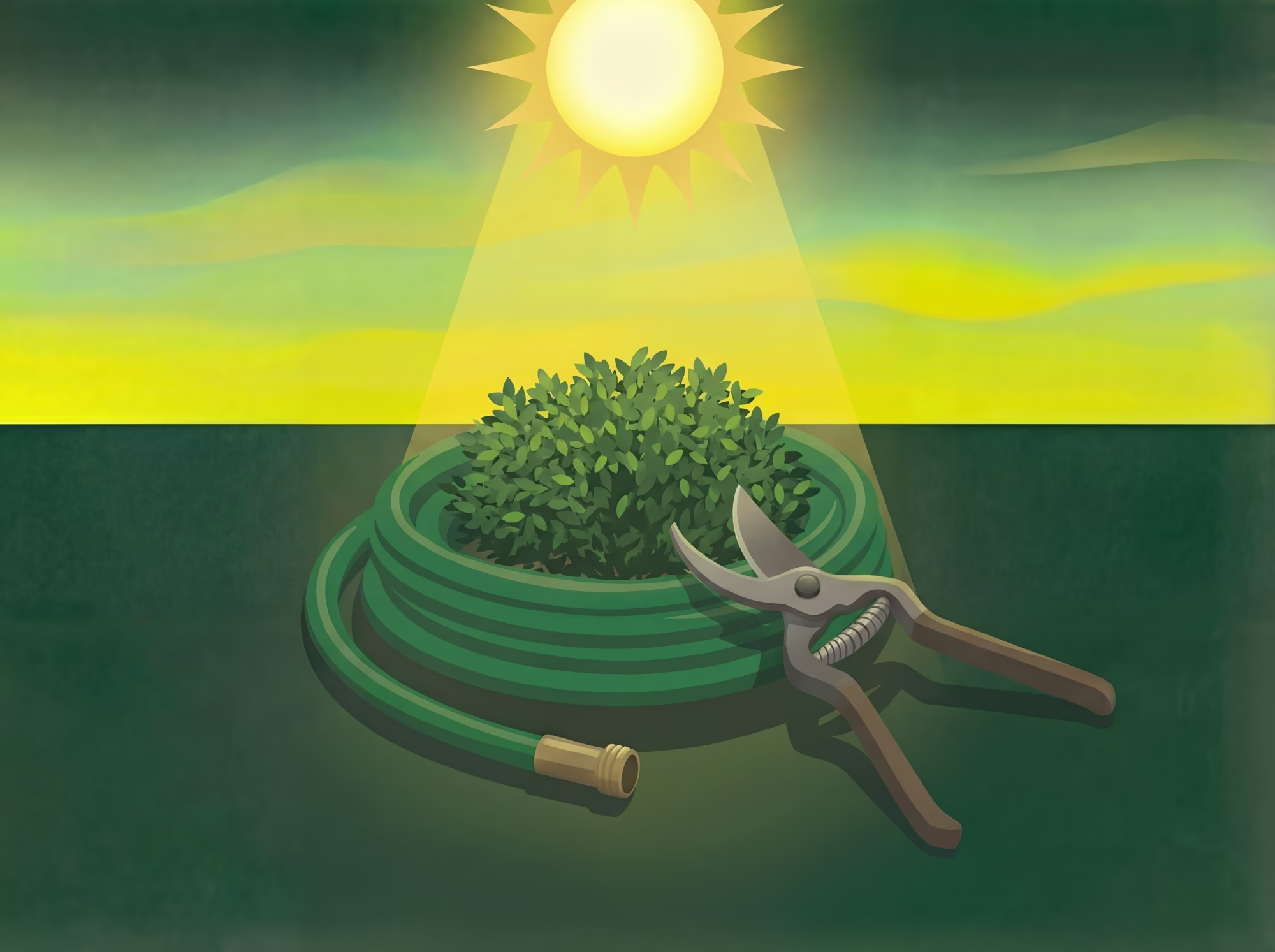

The SoCal version of winter arrives as hot, dry Santa Ana winds that blast through canyons at 40 to 70 miles per hour, followed by concentrated storms that can deliver an entire month of rainfall in a single afternoon. These two forces, wind and water, define what fall yard cleanup means here and what it takes to keep your outdoor space intact through the season. The good news is that a handful of targeted maintenance tasks, done at the right time, prevent nearly all the damage these conditions cause.
KEY TAKEAWAYS
- Southern California's fall and winter yard maintenance revolves around two forces most of the country never deals with: Santa Ana winds and concentrated rainy seasons that can drop months of rainfall in days.
- Strategic pruning before wind season, clearing drainage paths before the rains, and securing loose items ahead of red flag warnings prevent cascading damage that turns a simple cleanup into an expensive repair.
- A consistent weekly debris removal habit takes 20 to 40 minutes and eliminates the need for multi-hour deep cleanups after each weather event.
Why Does Fall Yard Cleanup Look Different in Southern California?
The rest of the country rakes leaves, covers gardens, and braces for snow. Southern California homeowners face a completely different set of challenges. Our version of winter arrives as hot, dry Santa Ana winds that blast through canyons at 40 to 70 miles per hour, followed by concentrated storms that can deliver an entire month of rainfall in a single afternoon. These two forces, wind and water, define what fall yard cleanup means here and what it takes to keep your outdoor space intact through the season.
The good news is that a handful of targeted maintenance tasks, done at the right time, prevent nearly all the damage these conditions cause. A well-timed pruning session keeps branches from becoming projectiles. Clear gutters and drainage channels handle intense downpours without flooding your planting beds. Secured furniture and garden items stay where you put them instead of scattered across the neighborhood.
This guide covers the specific fall and winter maintenance steps that protect your landscape, your hardscape, and your outdoor living areas through the windiest and wettest months of the year. Each task is timed to Southern California's seasonal patterns so you stay ahead of the weather rather than reacting to damage. Your Yardtopia has earned every bit of the care you put into building it. These steps make sure the season's two toughest forces do not undo that work.
How Often Should You Remove Debris From Your Yard During Fall and Winter?
Weekly. That single-word answer saves more outdoor spaces than any other maintenance habit. During fall and winter in Orange County, organic debris accumulates faster than it does the rest of the year. Santa Ana winds strip leaves, seed pods, and small branches from trees and scatter them across every surface of your yard. Between wind events, mild weather encourages continued growth that drops additional material. Letting that debris sit for two or three weeks creates problems that a quick weekly sweep prevents entirely.

What Happens When Debris Sits Too Long
Leaves and organic material that sit on hardscape surfaces trap moisture underneath, promoting algae and staining that becomes permanent if left through the rainy season. On planting beds, thick layers of wind-blown debris can smother ground cover, block drip irrigation emitters, and create habitat for pests. In drainage channels and along curbs, accumulated debris acts as a dam during rain events, redirecting water into areas where it pools, erodes soil, and floods planting beds.
The Weekly Walkthrough
Set a recurring time each week (many Southern California homeowners find Sunday morning works well) to walk your entire property. Clear leaves and twigs from hardscape surfaces, patio areas, and walkways. Check that irrigation emitters and drip lines are not buried under debris. Inspect gutter downspout discharge points and drainage channels for blockage. Pull any debris away from the base of your home's exterior walls, where trapped moisture can lead to foundation issues over time.
The entire process takes 20 to 40 minutes for a typical yard. Compare that to the four-to-six-hour deep cleanup required after letting debris accumulate for a month through Santa Ana season.
GOOD TO KNOW
Santa Ana wind events typically peak between October and January, with the strongest gusts concentrated in November and December. Setting up your weekly debris routine in early October means you are already in the habit when the heaviest wind events arrive. The National Weather Service issues red flag warnings 24 to 48 hours before major wind events, giving you time to do a quick extra pass before conditions pick up.
When Should You Prune Trees and Shrubs Before Wind Season?
Late September through early October is the ideal window for pre-wind-season pruning in Southern California. This timing lets fresh cuts begin healing before stress from Santa Ana winds and cooler nighttime temperatures slows growth. Pruning too late (November or December) leaves open wounds vulnerable to the moisture that arrives with winter rains. Pruning too early (August) triggers new growth that has not hardened off before wind season begins.
What to Prioritize During Winter Pruning
Dead and crossing branches: Any branch that is dead, cracked, or rubbing against another branch is a wind event waiting to happen. These are the limbs that snap during Santa Ana gusts and land on roofs, fences, patio covers, and cars.
Overgrown canopies: Dense, top-heavy canopies act as wind sails. Thinning the interior of large trees by 15 to 20 percent allows wind to pass through rather than push against the entire canopy, dramatically reducing the risk of uprooting or major limb failure.
Low-hanging branches: Branches that hang over outdoor dining areas, walkways, or parking areas pose the highest risk to people and property. Raise the canopy to at least eight feet of clearance in high-traffic zones.
Shrub overgrowth along fences and walls: Overgrown shrubs pressed against fences act as debris catchers during wind events, loading the fence with weight that can cause leaning or collapse. Maintain a six-inch gap between shrubs and fence lines.
For trees taller than 15 feet or within falling distance of structures, hire a certified arborist rather than attempting the work yourself. The cost of professional pruning is a fraction of the repair bill from a fallen limb.
EXPERT TIP
When pruning native California plants like toyon, manzanita, or ceanothus, avoid heavy cuts during fall. These species are preparing for their winter bloom cycle, and aggressive pruning removes the flower buds that make your winter garden colorful. Limit native plant pruning to removing dead material and shaping only where branches create a safety concern.
EXPERT TIP: Juan Garcia, Senior Water Efficiency Specialist at IRWD
Start pruning: Clean up your landscape. Lightly prune your trees and shrubs, and remove dead leaves, branches and flowers. Use sharp and clean tools.
How Do You Protect Your Yard and Outdoor Spaces From Santa Ana Winds?
Santa Ana winds are the defining weather challenge for Southern California outdoor living. These hot, dry gusts blow from the northeast through mountain passes, reaching speeds that turn unsecured items into projectiles and strip unprepared landscapes of foliage in a single event. Protecting your outdoor space starts with understanding wind patterns and ends with a set of habits that become second nature once you have been through a season or two.
Windbreaks and Strategic Barriers
Permanent windbreaks on the northeast side of your property (the direction Santa Ana winds originate) reduce wind speed across your entire yard. Dense native plantings like toyon, lemonade berry (Rhus integrifolia), or laurel sumac (Malosma laurina) create living windbreaks that grow more effective each year while adding beauty and wildlife habitat to your landscape. For immediate protection, mesh wind fencing or bamboo privacy screens installed along exposed fence lines reduce debris accumulation in protected areas by as much as 70 percent.
Position barriers to protect your most vulnerable zones first: outdoor dining areas, pool and spa surrounds, and entry points to covered patios. Wind funnels between structures, so pay attention to where gusts accelerate through gaps between your home and fencing, or between your garage and a neighbor's wall.
Securing Outdoor Items Before Wind Events
When the National Weather Service issues a red flag warning or high wind advisory, walk your property and address anything the wind could move. Patio furniture that is lightweight enough to rearrange for a dinner party is lightweight enough to become airborne in a 50-mile-per-hour gust. Stack chairs and lean them against a wall or bring them inside. Secure umbrellas fully closed and weighted at the base, or lay them flat. Move container plants to a sheltered corner where a wall blocks the prevailing wind direction.
Garden tools, decorative items, and children's outdoor toys are easy to overlook and among the first things to scatter. A designated storage bin or a few minutes of pre-wind tidying prevents hours of post-wind searching and the frustration of finding a cracked pot three houses down.
GOOD TO KNOW
Unsecured items during Santa Ana events are not just a cleanup nuisance. Wind-blown objects cause property damage, injure people, and can break irrigation lines that flood planting beds. Treat every red flag warning as a prompt to do a five-minute walkthrough and secure anything that is not anchored. This single habit prevents the majority of wind-related yard damage in Southern California.
What Drainage Maintenance Prevents Winter Rain Damage to Your Yard?
Southern California's rainy season (December through March) delivers water in bursts. A single atmospheric river event can dump two to four inches of rain in 24 hours, more than some months receive in total during a normal year. Your gutters, downspouts, and yard drainage systems need to be clear and functional before these events arrive. A clogged system during a heavy rain does not just overflow; it redirects water into foundations, floods planting beds, erodes soil, and creates standing water that invites mosquitoes and damages hardscape.

Gutter and Downspout Cleaning
Clean all gutters and downspouts in late October or early November, after the heaviest leaf drop but before the rainy season's first significant storms. Remove accumulated leaves, seed pods, and debris by hand or with a gutter scoop. Flush downspouts with a garden hose to clear compacted material. Check that downspout extensions direct water at least four feet away from your foundation and away from planting beds where concentrated runoff can erode soil.
Gutter guards or leaf screens reduce (but do not eliminate) the frequency of cleaning. If you install guards, plan to inspect and clean the tops of the screens at least twice during fall and winter. Debris that collects on top of gutter guards can still cause overflow during heavy rain.
Yard Drainage Channels and French Drains
A French drain is a gravel-filled trench containing a perforated pipe that redirects surface and groundwater away from a specific area, such as a home foundation or a soggy yard section. It uses gravity to collect excess water via the perforated pipe and carries it to a lower point, preventing standing water and potential water damage.
Walk every drainage channel, swale, and French drain on your property. Remove sediment, leaves, and any organic matter that has settled during the dry season. Test flow by running a garden hose at each entry point and watching for slow spots or blockages. French drain fabric filters can clog over time with fine sediment, especially in areas with Southern California's clay-heavy soils. If water backs up during your hose test, the filter fabric may need professional flushing or replacement.
Hardscape and Patio Drainage
Check that patio surfaces, walkways, and driveways slope away from your home and toward designated drainage areas. Over time, settling can change grade and create low spots where water pools. Even a quarter-inch depression in a concrete patio can hold enough water to damage finishes, promote algae growth, and create a slipping hazard. Address low spots with leveling compound or by adjusting pavers before the rainy season begins.
GOOD TO KNOW
Orange County's clay-heavy soils absorb water slowly and drain poorly once saturated. During consecutive rain events, your soil's ability to absorb water decreases each day, making proper surface drainage even more critical. Yards with good surface drainage can handle back-to-back storms. Yards without it experience compounding problems: standing water, soil erosion, flooded beds, and root rot in established plants.
What Does a Fall and Winter Maintenance Calendar Look Like for Southern California?
Timing matters as much as the tasks themselves. Southern California's seasonal threats arrive on a predictable schedule, and aligning your maintenance with that schedule means every task happens before the damage it prevents. This calendar is built around Orange County's typical weather patterns and gives your Yardtopia the protection it needs month by month.
September
- Prune trees and shrubs: Complete all significant pruning by early October. Focus on dead wood, crossing branches, and canopy thinning.
- Inspect irrigation: Check all drip lines, emitters, and sprinkler heads for damage or clogging. Adjust schedules for the transition from dry to wet season.
- Order supplies: Stock up on tie-downs, furniture covers, and storage bins before wind season demand spikes at hardware stores.
October
- Clean gutters and downspouts: Complete before the first significant rain event, typically late October or November.
- Test drainage: Run a hose through every drainage channel, French drain, and downspout to verify flow.
- Begin a weekly walkthrough routine: Start the habit before Santa Ana winds intensify.
- Install windbreaks: Position wind fencing or screens on the northeast exposure of your property.
November through December
- Respond to red flag warnings: Secure outdoor items within 24 hours of any high wind advisory.
- Post-wind cleanup: Walk the property after each significant wind event. Clear debris, check for branch damage, and inspect fences and structures.
- Second gutter check: Clean gutters again after the heaviest leaf drop, typically mid-November.
January through March
- Rainy season monitoring: After each major rain event, check for standing water, erosion, or drainage issues. Address immediately to prevent compounding.
- Continue weekly debris removal: Rain and wind alternate during this period, creating fresh debris after each event.
- Inspect hardscape: Look for new cracks, settling, or erosion along patio edges and walkways where water may have undermined surfaces.
PRO TIP
Take photos of your drainage system, gutter flow, and yard conditions during the first heavy rain of the season. These images reveal exactly where water goes, which spots pool, and which channels work well. Use them to plan targeted improvements during the following dry season. One rainy-day photo session is worth more than any site survey done on a dry afternoon.
Frequently Asked Questions
When should you do fall yard cleanup in Southern California?
Start pruning and drainage preparation in September. Complete gutter cleaning and downspout testing by late October. Begin your weekly debris removal routine in early October, before Santa Ana winds intensify in November. This timing aligns your maintenance with Southern California's seasonal weather pattern so every task finishes before the condition it prevents.
How do you protect outdoor furniture from Santa Ana winds?
Stack lightweight chairs against walls or bring them inside when red flag warnings are issued. Close and weight umbrella bases or lay umbrellas flat. Move container plants to sheltered corners. Secure or store decorative items, garden tools, and children's toys. A five-minute walkthrough before each wind event prevents hours of searching for scattered items afterward.
How often should you clean gutters in Southern California?
Clean gutters at least twice during fall and winter: once in late October before the rainy season and again in mid-November after peak leaf drop. If you have trees that overhang your roofline, a third cleaning in January prevents mid-season clogs. Gutter guards reduce but do not eliminate the need for seasonal cleaning.
What is the best time to prune trees in Southern California?
Late September through early October for most species. This window allows cuts to begin healing before Santa Ana winds and cooler temperatures slow growth. Avoid pruning California native plants heavily in fall, as many species (toyon, manzanita, ceanothus) are setting winter flower buds. Limit native plant pruning to removing dead or hazardous material.
How do you fix yard drainage problems before rainy season?
Start by running a garden hose through every drainage channel, French drain, and downspout to identify slow spots or blockages. Clear all debris and sediment. Check that patio and hardscape surfaces slope away from your home. Extend downspout discharge points at least four feet from your foundation. For persistent drainage issues, consult a landscape professional about regrading or adding French drains before the first significant rain.
Do Santa Ana winds damage landscapes?
Santa Ana winds are the single largest cause of landscape damage in Southern California. Gusts of 40 to 70 miles per hour strip foliage, snap unpruned branches, topple top-heavy trees, scatter unsecured items, and dry out soil rapidly. Pre-season pruning, windbreaks, and securing loose items prevent the majority of this damage. The hot, dry conditions during Santa Ana events also increase fire risk, which is why red flag warnings should always prompt a property walkthrough.
Fall and winter yard maintenance in Southern California comes down to two things: preparing for wind and preparing for water. Prune trees before Santa Ana season strips them for you. Clear drainage before atmospheric rivers test every channel on your property. Secure loose items before red flag warnings turn garden decor into projectiles. And walk your yard weekly so small debris never becomes a big problem.
The seasonal calendar above gives you a month-by-month plan that keeps your Yardtopia protected through the toughest weather of the year. Every task takes less time than the repair it prevents. Start in September, stay consistent through March, and step outside in spring knowing your outdoor space made it through winter stronger than it started. Find yourself outside.