
The rain, when it comes, arrives in short stretches rather than weeks of gray. Between those stretches sit long runs of clear skies and mild air: perfect conditions for morning coffee on the patio, sunset dinners under string lights, or an afternoon reading in a garden chair. The trick is setting up your outdoor space so the rainy days feel cozy rather than inconvenient, and the dry days feel intentional rather than accidental.
KEY TAKEAWAYS
- Southern California winters bring mild temperatures, occasional rain, and crystal-clear skies that make outdoor living comfortable from December through March with a few smart additions like covered zones and heating elements.
- California native plants including manzanita, ceanothus, and toyon actually peak during winter, turning your garden into its most colorful season while needing almost no supplemental water.
- Simple upgrades like a retractable pergola cover, a portable fire pit, or weather-resistant seating let you use your backyard year-round without a major renovation.
Why Your Backyard Might Be at Its Best During Winter
Most homeowners close the back door sometime around November and do not open it again until spring. That instinct makes sense in places with freezing temperatures and heavy snow, but in Orange County, it means missing the most comfortable outdoor months of the year. Winter in Southern California brings daytime temperatures between 60 and 72 degrees, lower humidity than summer, and the kind of golden afternoon light that makes every backyard look like a magazine photograph.
This guide covers the winter backyard ideas that work best for our climate: covered zones that keep you comfortable during drizzle, plants that peak when everything else goes dormant, heating solutions that extend your evenings, and low-effort ways to create a winter wellness retreat just steps from your kitchen. Your Yardtopia does not hibernate. It transforms.
What Are the Best Ways to Create Weather-Protected Outdoor Zones?
Covered outdoor space is the single upgrade that turns a three-season backyard into a year-round living room. In a region where annual rainfall averages just 13 inches spread across roughly 35 days, full enclosure is overkill. What works is flexible protection: structures that shield you during a passing shower but open wide on the 280-plus sunny days that follow.
Retractable Pergola Covers
A pergola with a retractable canopy gives you the best of both conditions. Extend the fabric during light rain or when afternoon sun hits too directly; retract it on clear mornings when you want unfiltered sky above your coffee. Modern systems use tension tracks that prevent sagging and pooling, and motorized options let you adjust from a patio chair. Weather-resistant fabrics like solution-dyed acrylic (Sunbrella is the most recognized brand) resist mildew, fading, and moisture absorption.
Polycarbonate Roof Structures
For a permanent overhead option that still lets in natural light, polycarbonate roofing panels mounted on an aluminum or steel frame create full rain protection with a bright, airy feel. Unlike solid roofing, polycarbonate transmits about 90 percent of natural light while blocking UV. This makes it ideal over an outdoor kitchen or dining area where you want weather protection without the cave-like feeling of a fully enclosed patio.
Sail Shades and Drop Curtains
Sail shades angled to direct water runoff provide budget-friendly rain coverage for casual seating areas. Outdoor curtain panels on tension rods add wind protection along open sides during cooler evenings. Both install without permanent construction, making them ideal for renters or homeowners who want flexibility before committing to a built structure.
GOOD TO KNOW
Orange County receives approximately 90 percent of its annual rainfall between November and March. A single covered zone (even just 10 by 12 feet) gives you a dry outdoor anchor point during every rainy day of the season. On the 330-plus dry days each year, it doubles as a shaded retreat.
Which California Native Plants Make Winter Your Garden's Best Season?
While gardens across much of the country go brown and bare during winter, Southern California native plants do the opposite. Our rainy season triggers a wave of blooming, greening, and fruiting that makes a well-planted winter garden more visually striking than it is in summer. Building your Yardtopia around plants that peak in winter means your outdoor space looks its most vibrant exactly when you might expect it to look its worst.
Winter Showstoppers for Orange County Gardens
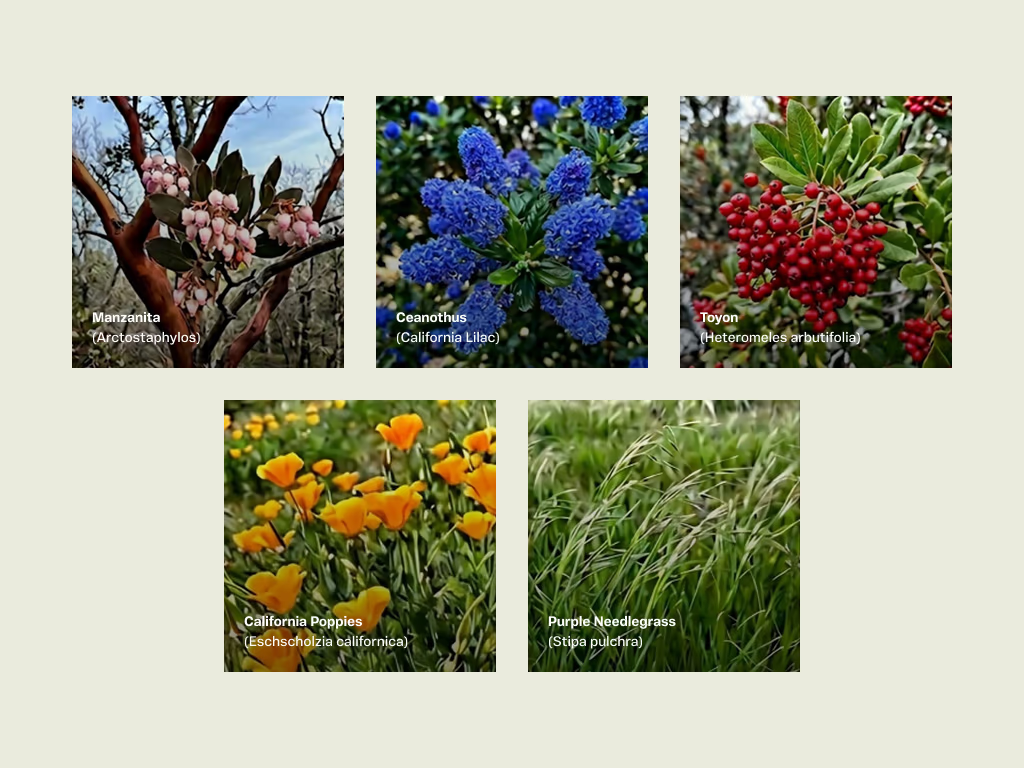
Manzanita (Arctostaphylos): Smooth, sculptural red bark and clusters of delicate pink-to-white flowers that bloom from December through February. One of the most visually dramatic native plants in any season, and especially striking against a winter sky.
Ceanothus (California Lilac): Dense clusters of vivid blue or purple flowers arrive in late winter through early spring, creating a color display that rivals any cultivated garden plant. Extremely drought-tolerant once established.
PRO TIP: Juan Garcia, Senior Water Efficiency Specialist, IRWD
You can have a vibrant, colorful landscape throughout the season. Native plants that bloom this time of year include gooseberries (Ribes sp.), lemonade berry (Rhus integrifolia) and Baja birdbush (Ornithostaphylos oppositifolia).The Christmas berry (Heteromeles arbutifolia) is another beautiful evergreen shrub, providing a bounty of red berries that many species depend on during the colder months.
Toyon (Heteromeles arbutifolia): Bright red berry clusters cover this evergreen shrub from November through January, earning it the nickname "California holly." Birds love the berries, adding motion and life to your winter garden.
California Poppies (Eschscholzia californica): Winter rains trigger germination, and by late January through February, orange blooms begin appearing. Self-seeding and completely care-free once established.
Purple Needlegrass (Stipa pulchra): California's official state grass stays lush and green through winter rains, providing soft texture and movement. A gorgeous ground layer beneath taller native shrubs.
These plants thrive on winter rainfall alone once their root systems are established, typically after one to two seasons. That means your winter garden practically waters itself during the months it looks best, and your overall irrigation needs drop as native coverage expands.
GOOD TO KNOW
Plant California natives in fall (October through November) so winter rains establish their root systems naturally. This gives them a full rainy season of free irrigation before their first dry summer. Avoid planting natives in spring or summer, when they need supplemental watering to survive establishment.
How Do You Keep Your Patio Warm Enough for Winter Entertaining?
Orange County winter evenings settle into the mid-50s, which is pleasant for a sweater but not quite comfortable for a long dinner outside. A few well-chosen heating elements bridge that gap and extend your outdoor entertaining season from sundown into the late evening hours. The goal is not to replicate indoor temperatures but to create warm zones where conversation and comfort overlap.
Fire Pits: The Social Anchor
A fire pit does more than produce heat. It creates a gathering point, a focal centerpiece that draws people together the way a fireplace does inside. Propane fire pits offer push-button ignition, adjustable flame height, and no ash cleanup. Wood-burning fire pits deliver the crackle, scent, and glow that propane cannot replicate. Both work beautifully for winter evenings, and the choice comes down to whether you prefer convenience or atmosphere.
Portable fire pit bowls start around $150 and can be moved wherever the gathering happens. Built-in fire tables integrate into your patio design and double as serving surfaces when flames are off. For smaller patios, tabletop fire bowls create ambiance without taking up floor space.
Infrared and Radiant Heaters
Wall-mounted or ceiling-mounted infrared heaters warm people and surfaces directly rather than heating the air, which makes them far more efficient in open outdoor spaces. A single unit covers a dining area for four to six people comfortably. Hardwired electric models eliminate the need for propane tanks, and modern designs are slim enough to blend into pergola framing or eave lines.
Layered Warmth Strategy
The most comfortable winter patios combine a primary heat source (fire pit or overhead heater) with layered textiles: outdoor throw blankets on chair backs, all-weather cushions with removable covers, and even an outdoor rug to insulate feet from cool concrete or stone. This layered approach creates the kind of cozy, settled feeling that keeps people outside long after dinner plates are cleared.
GOOD TO KNOW
Positioning your outdoor dining or seating area near a south-facing wall adds passive warmth on winter afternoons. Masonry and stucco walls absorb solar heat during the day and release it slowly through the evening, creating a noticeably warmer microclimate that reduces how much supplemental heating you need.
Can You Really Cook Outside During the Rainy Season?
Absolutely, and in Orange County, you should. Winter temperatures between 60 and 70 degrees are more comfortable for grilling than August's 90-degree heat. The key is overhead protection over your cooking zone and smart material choices that handle occasional moisture without requiring extra maintenance.
Essential Covered Kitchen Features
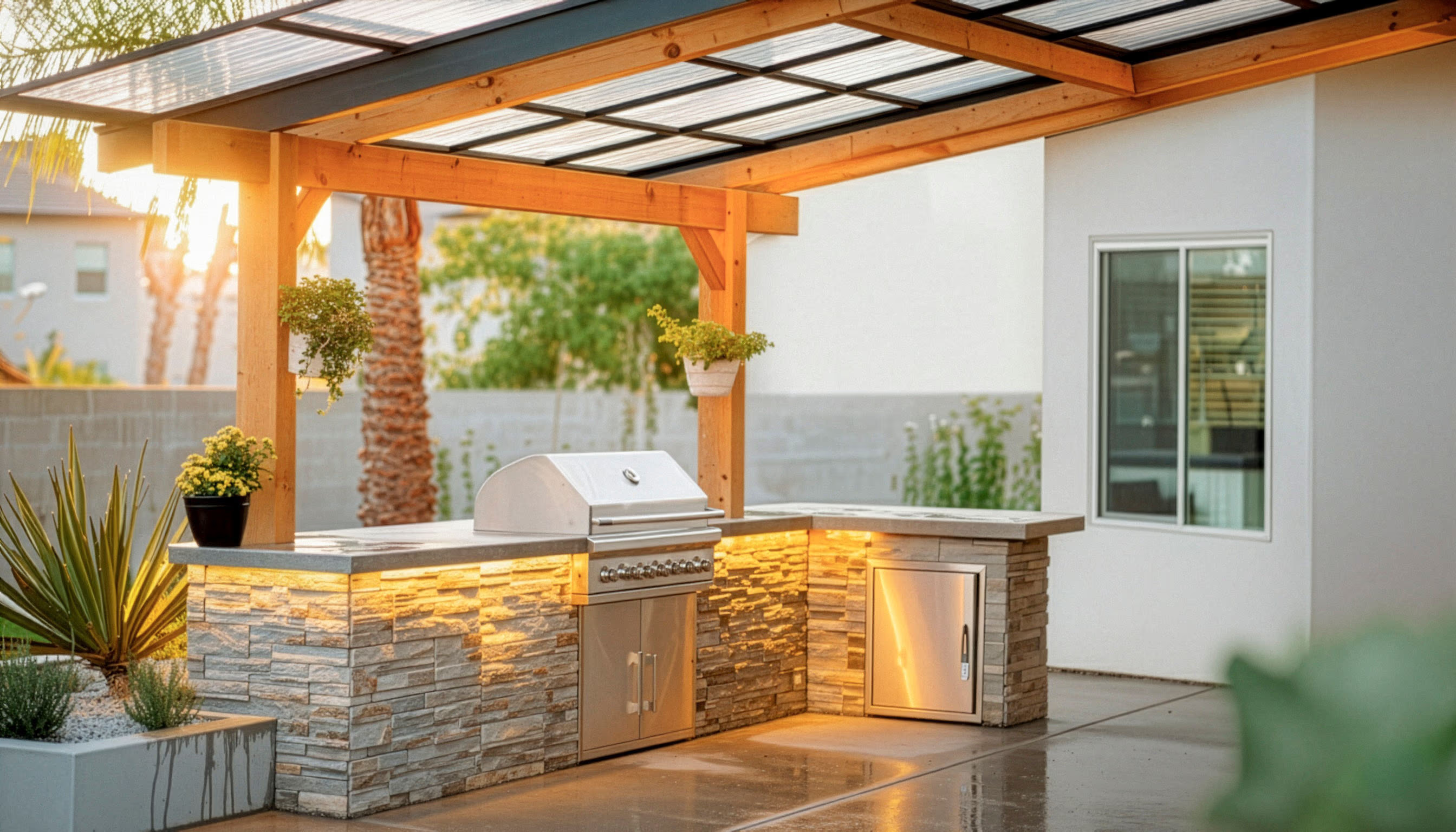
A dedicated roof over the grill area: A permanent overhang or attached pergola with solid roofing (polycarbonate or corrugated metal) keeps rain off the cook and the food. Extend the overhang at least two feet beyond the grill on all sides to account for wind-driven drizzle.
Weatherproof storage: Marine-grade stainless steel cabinets or sealed polymer storage keeps dinnerware, utensils, and spices dry and accessible. No more hauling supplies back and forth from the kitchen.
A bar-height counter with overhang: A covered bar area lets guests gather near the cook without crowding the grill. Bar stools tuck underneath when not in use, and the overhang provides a dry spot for drinks and appetizers during light rain.
Outdoor-rated refrigeration: A compact outdoor fridge rated for exterior use eliminates trips inside and keeps ingredients at hand. Models designed for outdoor installation handle temperature swings and moisture that would damage standard kitchen appliances.
Winter cooking in your Yardtopia opens up seasonal menus that match the weather: slow-braised short ribs, hearty soups heated on a side burner, grilled citrus from your own trees. The cooler air keeps the cook comfortable, and the covered setup means a surprise shower becomes atmosphere rather than an emergency.
How Do You Create a Winter Wellness Retreat in Your Own Backyard?
Winter in Southern California offers something that summer cannot: cool mornings with clean air, golden afternoon light that sits low and warm, and long quiet evenings under sharp, clear skies. These conditions are ideal for outdoor wellness activities that feel forced or uncomfortable in August heat.
PRO TIP
Outdoor wellness spaces do not need to be permanent or expensive. Start with a single weather-resistant chair, a flat surface for yoga, and proximity to a fragrant plant. Use the space regularly for two weeks before investing in upgrades. Your habits will tell you exactly what the space needs next.
Morning Yoga and Meditation
Set up a dedicated practice space on a flat section of patio or a weather-resistant outdoor platform. Winter morning temperatures in the low 60s are ideal for active movement without overheating. A simple privacy screen (bamboo fencing, a trellis with climbing jasmine, or even a row of tall native grasses) creates a sense of enclosure that helps you focus. Add an all-weather yoga mat rated for outdoor use, and the space is ready any morning you are.
Outdoor Reading Nooks
A comfortable, weather-resistant chair positioned in a sunny corner with a small side table creates a reading spot that feels like a private retreat. South-facing locations stay warm through the afternoon, and a lightweight throw blanket handles the transition as the sun moves. Pair the seating with drought-tolerant fragrant plantings like lavender, rosemary, or Cleveland sage nearby, and you have created a sensory experience that no indoor room can match.
Evening Reflection Spaces
Winter's longer nights and cooler air invite the kind of quiet evening time that gets crowded out during busy summer schedules. A simple setup near a fire pit or under string lights, with a comfortable chair and a journal, creates a space for winding down that feels separate from the house and its distractions. The sounds of your garden at dusk (rustling native grasses, visiting birds settling for the night) provide a natural ambiance that no sound machine can replicate.
This is where your Yardtopia becomes more than a landscape project. It becomes a place that supports how you actually want to live: more time breathing fresh air, more mornings that start with intention, more evenings that end with calm.
"Late fall is the perfect time to plant California natives and other plants. Create a plant list and check with your local nurseries to see what's in stock. Once that's done -- it's time to start planting!"
Juan Garcia, Senior Water Efficiency Specialist, IRWD
Frequently Asked Questions
What can I do in my backyard during winter in Southern California?
Southern California winters are mild enough for nearly all outdoor activities. Host dinners under a covered patio, practice yoga in the cool morning air, grill seasonal menus, enjoy fire pit evenings, or simply read in a sunny garden corner. With daytime temperatures between 60 and 72 degrees and roughly 280 sunny days per year, your backyard is usable almost every day of winter with minimal weatherproofing.
Which California native plants bloom in winter?
Manzanita blooms pink from December through February. Ceanothus (California lilac) produces vivid blue flower clusters in late winter. Toyon displays bright red berries from November through January. California poppies germinate with winter rain and bloom by late winter. Purple needlegrass stays green and lush throughout the rainy season. All thrive on rainfall alone once established.
How do I protect my outdoor furniture during rainy season?
Choose weather-resistant materials like powder-coated aluminum, teak, or recycled HDPE plastic. Cover furniture with breathable (not solid plastic) covers during extended rain events. Wipe surfaces after storms to prevent mineral deposits. Store cushions in a ventilated container when not in use. Monthly rinses with a garden hose prevent buildup that damages finishes over time.
What is the cheapest way to cover a patio for rain protection?
Sail shades angled to direct water runoff provide the most affordable rain coverage, typically costing between $50 and $200 depending on size and quality. Outdoor curtain panels on tension rods add wind protection for under $100. Both install without permanent construction. For more substantial coverage, retractable pergola canopies offer a mid-range option before committing to permanent roofing.
Are fire pits safe to use in winter in Southern California?
Propane and natural gas fire pits are safe year-round with standard precautions: keep them on a non-combustible surface, maintain clearance from structures, and never leave them unattended. Wood-burning fire pits require attention to local fire regulations, particularly during red flag warnings and Santa Ana wind events. Check your city's current guidelines before using a wood-burning option during fire season.
How much does it cost to add a covered outdoor kitchen?
A basic covered grilling station with overhead protection, a prep counter, and storage typically ranges from $5,000 to $15,000 in Orange County. A full outdoor kitchen with built-in grill, refrigeration, sink, and permanent roofing structure runs between $20,000 and $50,000 or more depending on materials and complexity. Phased approaches (starting with the grill station and adding components over time) spread costs across multiple seasons.