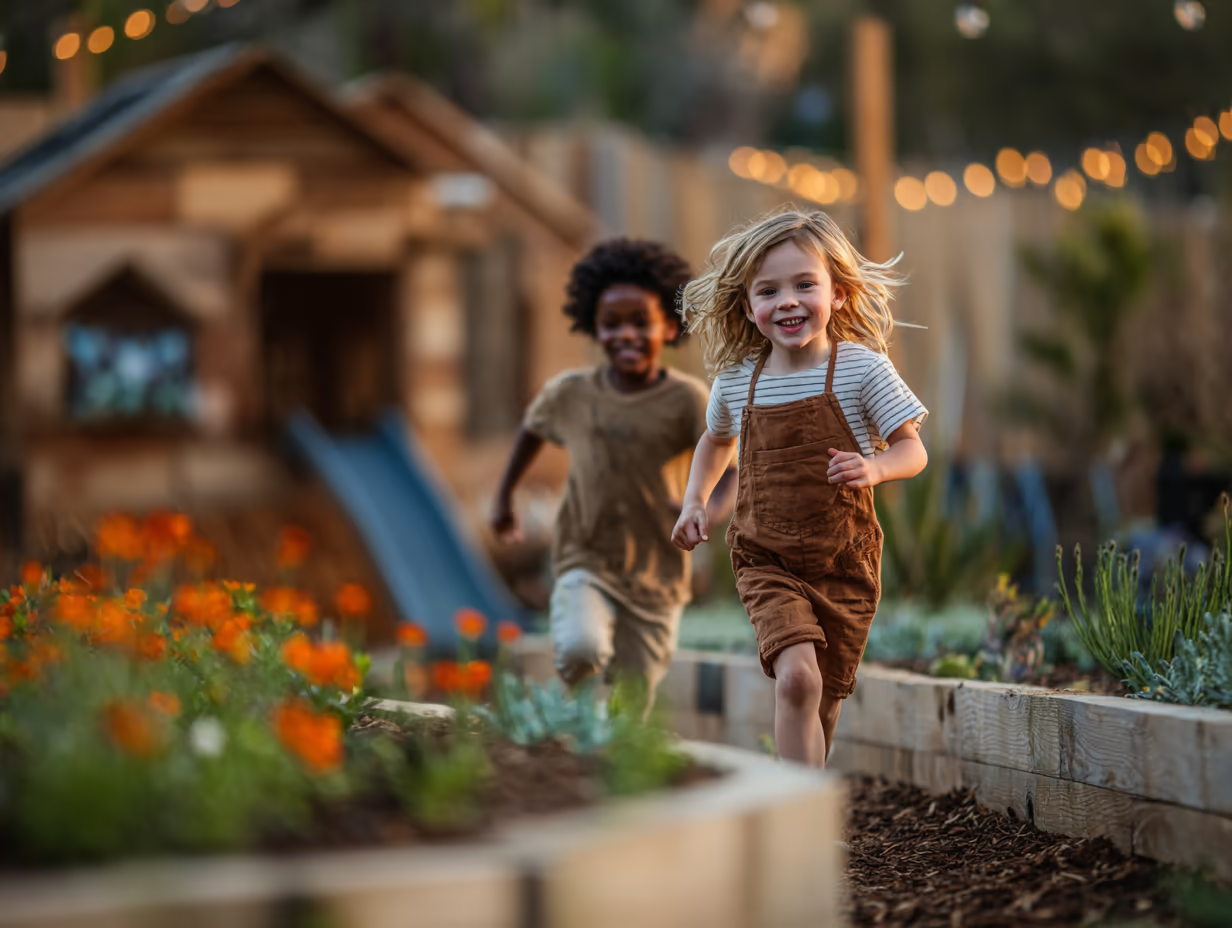
Picture this: laughter echoing across your backyard, kids racing through the grass, and not a single screen in sight. That scene is closer than you think. With dozens of activities available, your Yardtopia can be the neighborhood spot to gather, play together and find yourself outside.
Getting the whole family outside takes intention, especially when devices hold such magnetic pull. Between busy schedules and Southern California heat, your backyard can start to feel like a space you pass through rather than live in. The good news? Your same yard already holds everything you need to create an irresistible outdoor play space where your family actually wants to spend time.
KEY TAKEAWAYS
- The best outdoor games for kids combine physical activity with imagination, turning your backyard into an adventure zone that rivals any screen.
- Southern California’s year-round sunshine makes your outdoor space the perfect setting for family games, nature exploration, and creative play at any age.
- Simple activities like scavenger hunts, water games, and backyard camping create lasting memories while building observation skills, coordination, and family bonds.
What Are the Best Active Outdoor Games for Kids?
Active backyard games for kids burn energy, build coordination, and create the kind of exhaustion that leads to peaceful bedtimes. These high-movement activities work in spaces of almost any size and require minimal equipment.
Tag Games That Never Get Old
Classic tag transforms into something fresh with simple rule changes. Freeze tag requires tagged players to stand still until a teammate crawls through their legs to free them. Shadow tag challenges kids to step on shadows instead of touching bodies, which works beautifully in the late afternoon sun. Flashlight tag after sunset turns your yard into a glowing adventure zone where the person who is "it" must tag others with a beam of light.
For larger groups, try blob tag. When someone gets tagged, they join hands with "it" and hunt together. The blob grows until only one player remains free. This variation naturally handicaps faster players and gives younger kids a fair chance.
Relay Races for All Ages
Relay races scale easily for mixed-age groups. Set up stations across your yard where teammates must complete challenges before passing a baton (a stick, ball, or even a stuffed animal works fine). Station ideas include: hopping on one foot around a tree, spinning five times, doing three jumping jacks, or balancing an egg on a spoon.
Water balloon relays add summer appeal. Teams pass water balloons down a line, either overhead or between legs, racing to fill a bucket at the end. The splashy failures create as much fun as the wins.
Classic Yard Games with Modern Appeal
Red Light, Green Light teaches impulse control while wearing kids out. One player faces away and calls "green light" (everyone runs forward) or "red light" (everyone freezes). Anyone caught moving goes back to start. The first to reach the caller wins and becomes the new traffic controller.
Mother May I adds strategy. The "mother" stands opposite the players and gives commands like "take three giant steps" or "hop forward twice." Players must ask "Mother, may I?" before moving. Forget to ask? Back to the starting line. This game teaches manners while sneaking in physical activity.
EXPERT TIP
Mix ages strategically in team games. Pair your fastest runner with the youngest player, and suddenly you have a fair competition that builds connection between siblings or cousins.
How Do You Create an Engaging Nature Scavenger Hunt?

A nature scavenger hunt transforms your backyard into an exploration zone where kids develop observation skills without realizing they are learning. These hunts work for solo children or large groups, adapt to any yard size, and cost nothing to run.
Building an Age-Appropriate Hunt
For toddlers and preschoolers (ages 2 to 5), use simple, tangible items: something green, something rough, something that makes noise when you shake it. Keep the list to five or six items and use pictures instead of words. Give them a paper bag or small basket for collecting treasures.
Elementary-age kids (6 to 12) handle more complex challenges: find three different leaf shapes, spot something a bird might eat, locate evidence of an insect. Add a journaling component where they sketch or describe their findings. This age group loves competition, so time trials or team races add excitement.
Older kids and teens respond to photography hunts. Challenge them to capture specific compositions: a shadow, something beautiful that most people ignore, a color that surprises you in nature. Share photos at dinner for a natural conversation starter about what everyone discovered.
Scavenger hunts transform ordinary yards into places of discovery. This is what your Yardtopia is made for: those moments when your child crouches down to examine a beetle, or calls you over to see a perfectly spiraled snail shell. The hunt gives them permission to look closely at a space they might otherwise rush through. And you get to see your yard through their wondering eyes.
Southern California Backyard Scavenger Hunt Ideas
Orange County yards offer unique hunting opportunities tied to our Mediterranean climate. Create a California native plant hunt: spot a sage plant by its smell, find succulent rosettes, identify drought-tolerant groundcover. Kids learn about water-wise landscaping without a single lecture.
Seasonal hunts keep the activity fresh year-round. In spring, search for new growth, budding flowers, and returning birds. Summer hunts focus on insects, seed pods, and shady spots. Fall brings changing colors on certain trees and migratory visitors. Winter (our greenest season) reveals mushrooms after rain and birds that visit only during cooler months.
GOOD TO KNOW
Create a "nature journal" from a dollar store notebook. Kids can tape in leaves, sketch insects, and track what they find across seasons. After a year, you will have a record of your backyard's living ecosystem.
What Water Games Keep Kids Cool and Entertained?
These backyard games for kids deliver maximum cooling with minimal water waste, perfect for families balancing fun with water-conscious living.
Sprinkler Games Beyond Running Through
Set your sprinkler on a timer and play "sprinkler roulette." Kids must cross the spray zone without getting wet. The unpredictable timing creates squeals of anticipation. For a twist, place objects on the other side that players must retrieve and return.
Limbo under the sprinkler stream tests flexibility and creates guaranteed soaking. Start with the water arc high and lower it after each round. The last dry player wins (though everyone wins because everyone gets refreshingly wet eventually).
Water Balloon Activities That Stretch the Fun
Water balloon baseball uses a bat and standard bases, but the pitch is a water balloon. Hits spray everyone nearby. Catches save the batter but soak the catcher. Every play ends with laughter and someone declaring they need a rematch.
For a cooperative challenge, partners toss a water balloon back and forth, stepping farther apart after each successful catch. The team that throws farthest without breaking their balloon wins. The suspense builds with every toss, and even the inevitable splat brings cheers.
Water balloon pinatas hung from tree branches create dramatic bursts when kids swing at them blindfolded. Fill some balloons with water and others with small prizes for extra excitement.
The beauty of water balloon games? They work in any size Yardtopia, from compact patios to sprawling lawns. Invite the neighbors, rally your kids' friends, or keep it simple with just your crew. These games have a way of turning strangers into friends and Tuesday afternoons into stories you will retell for years.
GOOD TO KNOW
Position water play over lawn or garden beds, not hardscape. Every drop serves double duty by watering your landscape. Reusable water balloons (available at most toy stores) eliminate waste while providing the same splashy fun.
Which Nature Crafts Work Best for Outdoor Play?
Nature crafts bridge the gap between outdoor activities for kids and creative expression. These projects use materials from your yard and result in treasures kids actually want to keep.
Nature Art Projects for All Skill Levels
Land art introduces kids to environmental sculpture. Collect leaves, stones, petals, and sticks, then arrange them into patterns, faces, or abstract designs directly on the ground. Take photos before the wind reclaims your creation. Search "Andy Goldsworthy" for inspiration that will spark imagination.
Leaf rubbing produces surprisingly beautiful results. Place leaves under paper and rub crayons or colored pencils over top to reveal intricate vein patterns. Layer multiple leaves for complex compositions. Frame the best ones for nature-inspired wall art.
Pinecone bird feeders teach kids about wildlife while creating functional yard additions. Roll pinecones in peanut butter (or sunflower seed butter for allergies), then coat in birdseed. Hang from branches and watch for visitors. Keep a simple list of birds that stop by to build observation skills.
Building Projects That Spark Engineering Minds

Fairy houses or gnome homes channel imagination into construction. Gather natural materials: bark for walls, leaves for roofing, pebbles for pathways. Tuck the finished home under a shrub and check back for "visitors." Some families leave tiny notes from the fairies, extending the magic for weeks.
Stick forts and debris huts teach basic shelter-building. Start small: lean sticks against a low tree branch to create a simple A-frame. Add leaf "shingles" for coverage. Older kids can attempt larger structures that become secret hideouts all summer.
"I did the research, design and preparation, and it became a family project. My son helped me carry rocks to create a dry creek, and my daughter helped me to spread mulch around. My husband had his doubts at first, but he loves the garden now."
Irina Ensminger, Board member, California Native Plant Society, OC Chapter
What Outdoor Activities Work After the Sun Goes Down?
Evening extends your outdoor time and introduces a completely different sensory experience. These nighttime backyard activities create magical memories and take advantage of Southern California's comfortable evenings.
Stargazing Sessions That Captivate All Ages
Spread blankets on the lawn and let your eyes adjust to the darkness for at least fifteen minutes before expecting to see much. Free apps like SkyView or Star Walk identify constellations, planets, and satellites when you point your phone at the sky. Start with easy targets: the Big Dipper, Orion's Belt, or the bright dot of Venus.
Create DIY constellation viewers from toilet paper tubes. Cover one end with black paper, poke holes in patterns matching real constellations, and shine a flashlight through. Kids can project star patterns onto walls or fences.
Backyard Camping for First-Timers and Seasoned Adventurers
Backyard camping delivers the adventure of sleeping outdoors with a bathroom just steps away. Pitch a tent, lay out sleeping bags, and commit to the experience. Even if everyone retreats inside at 2 AM, the evening builds confidence for future wilderness camping.
Campfire alternatives keep the cozy atmosphere without open flames. Battery-operated lanterns provide gathering light. Flameless candles in mason jars create ambiance. If your yard allows, a small fire pit transforms the experience, but check local regulations first.
There is something about sleeping steps from your own back door that makes home feel like an adventure. Your Yardtopia becomes a basecamp, a launching point for stargazing expeditions and morning nature walks. Kids who camp in the backyard start to see that outdoor space differently. It stops being just "the yard" and becomes their territory: a place they know, tend, and claim as their own.
Pair camping with storytelling traditions. Take turns adding to a round-robin story where each person contributes one sentence. Or share family history: grandparents' adventures, how parents met, funny childhood memories. The darkness somehow makes stories more vivid and listening more attentive.
Backyard Movie Night Setup
A white bedsheet hung from a fence or stretched between poles creates a serviceable screen. Portable projectors (many under $100) connect to phones or laptops. Arrange lawn chairs, bean bags, or simply pile blankets for seating. Pop popcorn, distribute cozy throws, and press play once full darkness arrives.
Theme nights amplify the experience. Nature documentary night pairs perfectly with stargazing before or after. Classic film night introduces kids to movies from your childhood. Let children take turns choosing to build buy-in and expose everyone to different tastes.
GOOD TO KNOW
Check sunset times and plan activities accordingly. Southern California's long summer evenings give you hours of outdoor time after dinner. Winter's earlier darkness actually makes stargazing more accessible for young kids who cannot stay up late.
How Can Gardening Become a Fun Family Activity?
Gardening with kids teaches patience, responsibility, and the magic of watching something grow from seed to harvest. These activities turn yard maintenance into family adventures.
Kid-Friendly Garden Projects That Actually Produce
Pizza gardens capture imagination with practical purpose. Plant basil, oregano, cherry tomatoes, and bell peppers in a circular bed or large container. As ingredients mature, harvest for homemade pizza night. Kids invest more in meals they helped grow.
Sunflower houses create living play structures. Plant sunflowers in a circle or square pattern, leaving one gap for a "door." As the flowers grow tall, they form walls. String fabric or grow morning glories along the top for a roof. The structure takes a full growing season but rewards patience with a genuine hideaway.
Strawberries, snap peas, and cherry tomatoes offer quick wins for impatient gardeners. These plants produce fast, taste best picked fresh, and grow well in Southern California containers or small beds. Assign each child their own plant to tend.
Attracting Wildlife for Ongoing Entertainment
Butterfly gardens give kids a living science project. California natives like milkweed, sage, and buckwheat attract monarchs, painted ladies, and swallowtails. Plant in sunny spots and watch the full metamorphosis cycle unfold in your own yard.
Bird baths need not be fancy. A shallow dish on a plant stand or upturned pot works fine. Change water every few days to prevent mosquitoes. Add a few stones for small birds to perch on while drinking. Position where cats cannot ambush visitors.
PRO TIP
Start with plants that produce visible results within weeks, like cherry tomatoes or snap peas. Quick wins keep young gardeners invested while slower-growing projects like sunflower houses build patience over a full season.
Which Games Work Best for Different Age Groups?
Matching activities to developmental stages prevents frustration and maximizes engagement. Here is how to select outdoor games for kids based on age and ability.
Toddlers (Ages 1 to 3)
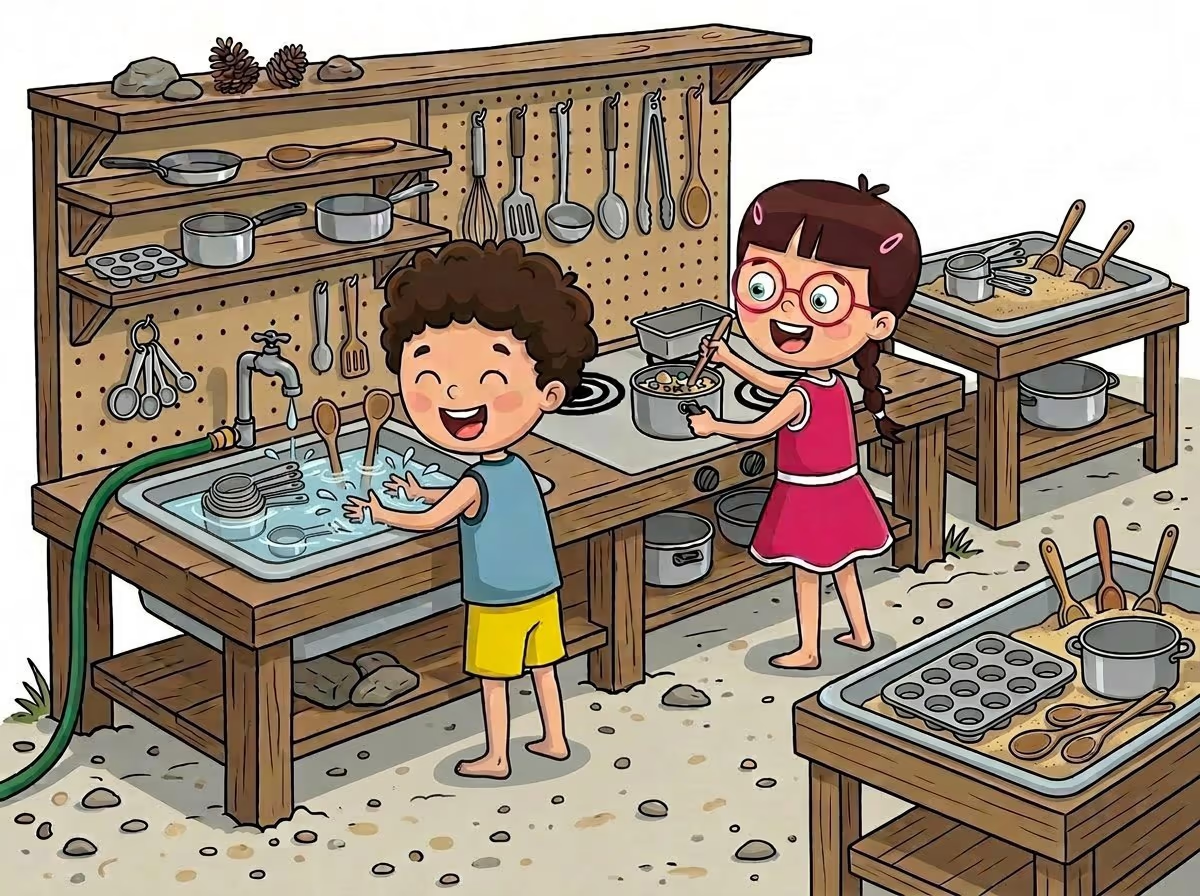
Toddlers thrive with sensory experiences and simple cause-and-effect activities. Bubbles remain endlessly fascinating. Water tables or shallow bins with cups, funnels, and floating toys provide extended engagement. Sandbox play with molds and shovels builds motor skills. Chasing and being chased delivers exercise and connection.
Keep activities short (ten to fifteen minutes before transitioning) and expect to participate fully. At this age, you are the primary playmate, not just a supervisor.
Preschoolers (Ages 3 to 5)
This age group handles simple rules and loves dramatic play. Hide and seek, duck-duck-goose, and simple scavenger hunts work beautifully. Obstacle courses with basic challenges (crawl under here, jump over this, run to that tree) combine physical activity with instruction-following practice.
Nature collection appeals strongly to preschoolers. Give them a container and a simple mission: find five rocks, collect fallen petals, or gather sticks for a project. The collecting matters more than the outcome.
School-Age Kids (Ages 6 to 12)
School-age children handle complex rules, competition, and longer activities. Team sports like kickball, capture the flag, and wiffle ball work well with enough players. Building projects hold attention for extended periods. Scavenger hunts can involve reading clues and solving riddles.
This age group also benefits from unstructured time. Sometimes the best outdoor activity is no planned activity at all. Provide access to balls, chalk, sticks, and space, then step back. A little restlessness often sparks the most creative play.
Tweens and Teens (Ages 13 and Up)
Older kids need activities that feel sophisticated, not childish. Photography challenges, competitive yard games like cornhole or spikeball, and outdoor fitness circuits earn buy-in. Include them in planning: what sounds fun to them? Their ownership of the activity increases participation.
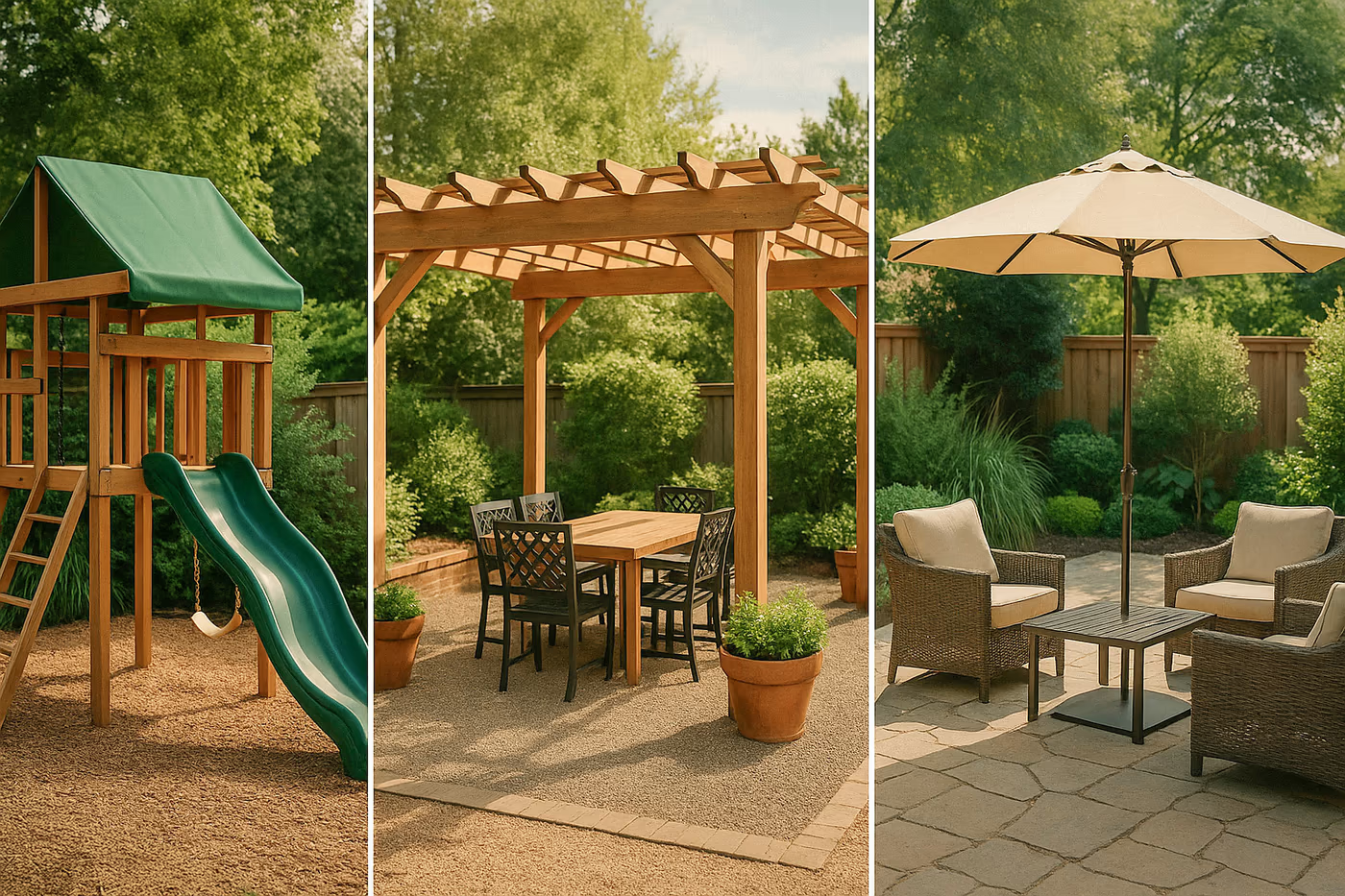
Teens often engage best when friends are involved. Encourage outdoor hangouts by making your yard the appealing destination with comfortable seating, yard games, and a welcoming atmosphere.
"Define those important zones that link the elements of a garden, providing room to get in and out of those spaces, and designing each area as its own unique experience."
David Gomez, Water Efficiency Specialist, IRWD
Frequently Asked Questions About Outdoor Games for Kids
How do I encourage my kids to spend more time outside?
Create a Yardtopia that calls to them. When your outdoor space feels like an adventure waiting to happen, screens become secondary. Add elements that spark curiosity: a bird feeder to check each morning, a garden bed they helped plant, a cozy corner with outdoor cushions, or a simple chalkboard for drawing. Join them outside, especially at first. Your presence signals that the backyard is where good things happen. Over time, "want to go outside?" shifts from a suggestion to their own idea.
What outdoor activities work in a small yard?
Small spaces excel at contained activities: hopscotch drawn with chalk, container gardening, bubble play, nature scavenger hunts, and craft projects. Vertical elements like hanging targets or basketball hoops maximize limited square footage. Even a patio or balcony supports sensory bins, small water tables, and potted plant gardens. Your Yardtopia does not need to be large to be full of possibility.
How can I keep kids entertained outside without spending money?
Most classic outdoor games cost nothing: tag variations, hide and seek, red light green light, Mother May I. Nature crafts use found materials. Scavenger hunts require only paper and pencil. Imaginative play with sticks, rocks, and dirt kept children occupied for generations before toys existed. The best entertainment often comes from what you already have.
What should I do when kids say there is nothing to do outside?
That restless moment often comes right before the best ideas emerge. Resist solving it immediately. Suggest they observe something for five minutes: clouds shifting shapes, ants carrying crumbs, leaves spinning in the breeze. If the feeling persists, offer two or three activity options rather than directing them to one. Some children need practice developing independent play skills, and your Yardtopia gives them the perfect space to discover what captures their imagination. A stick becomes a wand. A pile of rocks becomes a castle. Give them time and watch what unfolds.
How do I keep summer activities for kids interesting all season?
Rotate activities weekly rather than offering everything at once. Introduce water play only when temperatures climb. Save the backyard camping for mid-summer. Schedule themed weeks: nature explorer week, sports week, garden week. Anticipation and novelty sustain interest across long summers.
What outdoor games work for mixed age groups?
Team-based activities with strategic pairing work best. Put your oldest and youngest together on a team to balance abilities. Scavenger hunts scale easily by assigning different list difficulty to different ages. Relay races with varied challenges let each child contribute their strengths. Avoid games with elimination, which sideline young or less skilled players too quickly.
The Bottom Line
Your Yardtopia holds unlimited potential for outdoor games that capture kids' attention, build family connections, and make screen time an afterthought. Start with one new activity this week. Try a backyard scavenger hunt, set up a simple relay race, or spread blankets for evening stargazing.
The games themselves matter less than the consistency of showing up outside together. Your yard transforms into an adventure zone the moment you step into it with intention. Southern California weather gives you nearly 365 days to make outdoor play a family habit.
Ready to create a backyard that invites more outdoor living? Explore Yardtopia's design inspiration for family-friendly landscape ideas that make your Yardtopia a place where play, connection, and water-smart beauty come together.