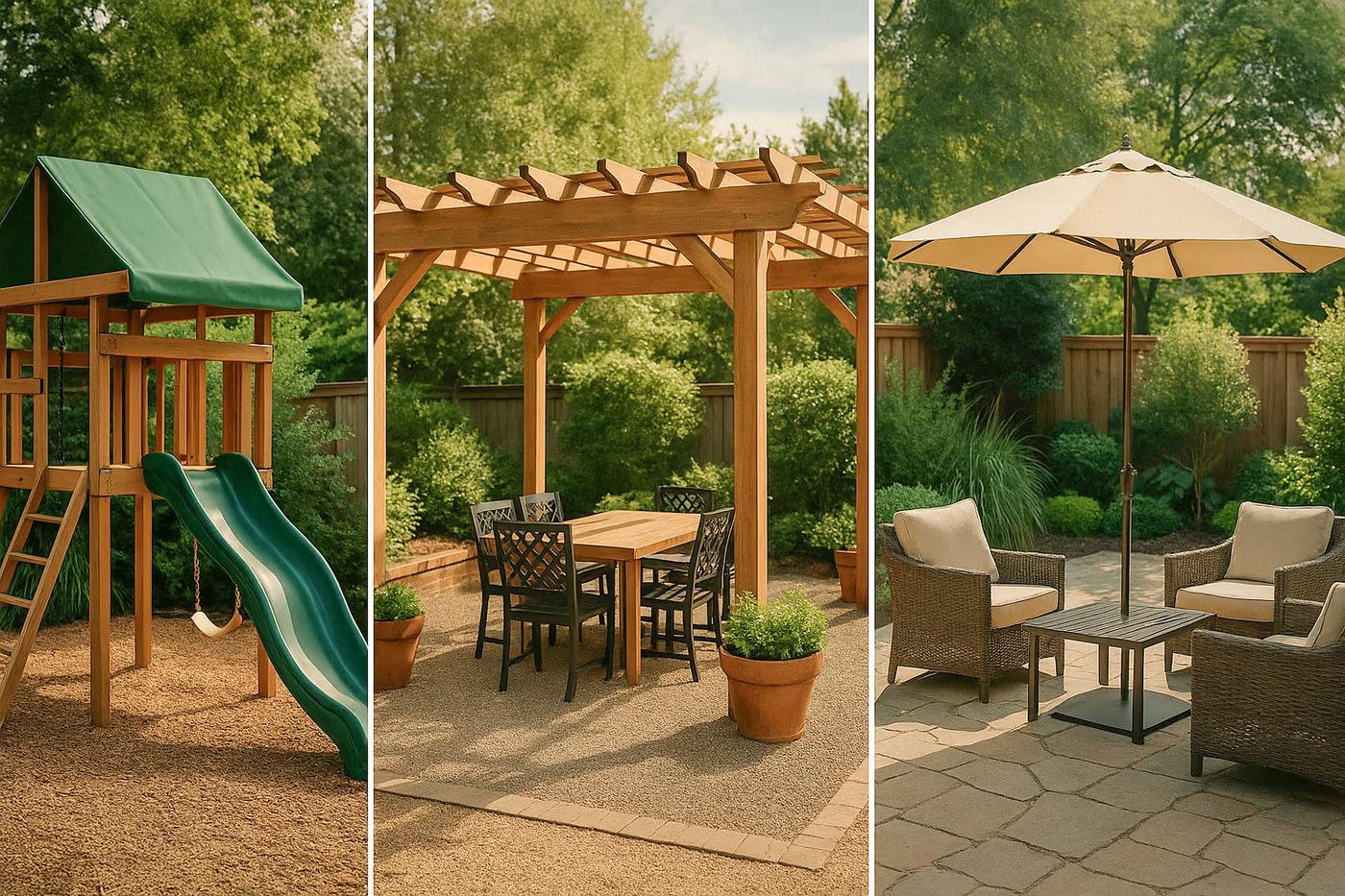
You know the scene. The kids race outside after breakfast, full of energy, ready to conquer the swing set or dig in the sandbox. By 10:30, the sun has turned the slide into a griddle. The play structure radiates heat. Everyone migrates back inside, and your backyard sits empty through the best hours of the day. This is the reality for most Southern California families, and it is completely solvable.
The right backyard shade ideas do more than block UV rays. They reshape when and how your family spends time outside. A shaded play area stays comfortable through the afternoon. A covered dining zone invites lingering dinners. Even your garden benefits: shaded soil holds moisture longer, which means healthier plants and less time running the irrigation.
This guide covers every approach to creating shade in your Yardtopia, from quick-install options you can set up this weekend to permanent structures and natural plantings that mature over years. Whether you are shading a playset, a patio, or an entire outdoor living area, the strategy is the same: layer your solutions, plan for how your family actually lives, and build shade that grows with you.
KEY TAKEAWAYS
- The best backyard shade ideas layer multiple solutions: immediate options like shade sails and canopies for relief now, plus long-term plantings that grow into natural cooling for decades.
- Strategic shade placement extends usable outdoor hours by three to four during peak summer months, turning a yard that clears out by noon into a space your family gravitates toward all day.
- Shade structures protect kids, plants, and outdoor furniture while reducing ground-level temperatures by up to 20 degrees, which means less watering and more comfortable play.
What Are the Best Quick-Install Backyard Shade Solutions?
Some shade needs are immediate. Your kids need relief from the sun this Saturday, not three years from now when a tree matures. These options deliver coverage quickly, often within a single afternoon of installation.
Shade Sails: The Most Versatile Option for Play Areas and Patios
Shade sails stretch between anchor points (posts, walls, mature trees, or existing structures) to create floating canopies of UV-blocking fabric. Their angular shapes and clean lines give backyards a modern, intentional look that feels designed rather than bolted on. Most residential shade sails block 90 to 98 percent of UV radiation, making them one of the most effective sun protection solutions available.
What makes them especially useful for families is their flexibility. You can position a shade sail directly over a playset, extend one across a patio dining area, or layer multiple sails at different heights and angles to cover a larger zone. When the season changes or your needs shift, they remove in minutes and store flat.
Sizing guidance: A single triangular shade sail (12 to 16 feet per side) covers most residential play structures. For broader coverage over a combined play and dining area, rectangular sails (10 by 16 feet or larger) or overlapping triangular sails work well. Always mount sails with a slight angle so rainwater runs off rather than pooling. Remember to check with your HOA for rules and regulations before building.
Installation: Post-mounted shade sails require concrete footings (typically 18 to 24 inches deep) for stability in wind. Wall-mounted anchor points need lag bolts into structural framing, not just stucco. Professional installation runs a few hundred dollars and eliminates guesswork about tension and hardware ratings.
Playset Canopies: Built-In Shade for the Space Kids Use Most
Most quality swing sets and play structures offer integrated canopy options, either included at purchase or available as add-ons. These fabric or vinyl tops stretch across the main play deck, providing immediate shade over the highest-traffic area. For families buying a new playset, choosing a model with a built-in canopy is the simplest way to guarantee shaded play from day one.
Not all canopy materials perform equally under Southern California sun. Look for canopies made from solution-dyed acrylic or HDPE (high-density polyethylene) mesh rather than basic polyester. These materials resist UV degradation and color fading far longer than budget fabrics. Darker colors provide marginally better UV protection than lighter ones, though any purpose-built canopy fabric blocks the vast majority of harmful rays.
Replacement cycle: Even premium canopy fabrics have a lifespan of three to five years under constant sun exposure. Budget for periodic replacement, and measure your frame before ordering to ensure a proper fit. Many manufacturers sell replacement canopies specifically matched to their playset models.
Market Umbrellas: Shade That Follows the Sun
Large market-style umbrellas (nine feet or larger) offer something fixed structures cannot: mobility. You can shift an umbrella to follow shade patterns as the sun moves, relocate it from the play area in the morning to the dining table in the evening, or collapse it entirely before a Santa Ana wind event. For families still figuring out how they use their outdoor space, umbrellas provide shade while you decide where permanent solutions make the most sense.
Invest in a weighted base rated for your umbrella diameter. A nine-foot umbrella needs at least 50 pounds of base weight; a 12-foot umbrella needs closer to 100. Wind is the primary enemy of market umbrellas, and an underweighted base creates a hazard rather than a solution.
GOOD TO KNOW
A single well-placed shade structure can reduce ground surface temperatures by 15 to 20 degrees on a typical summer afternoon. That temperature drop matters for bare feet on pavement, for pets lounging nearby, and for plants growing alongside your play or dining area. Shade is not just about comfort; it is about making your entire outdoor space more livable.
Which Permanent Backyard Shade Structures Are Worth the Investment?
Quick-install options handle immediate needs beautifully, but permanent shade structures do something more: they define outdoor rooms. A pergola does not just block sun; it tells your family and your guests that this is a place with purpose. These structures add value to your home, create architectural interest, and deliver decades of reliable shade. Remember to check with your HOA for rules and regulations before building.
Pergolas: Filtered Light and Architectural Character
A pergola creates dappled, filtered shade through its open-beam roof structure, which is enough to take the edge off direct sun while still allowing airflow and natural light. For play areas, position a pergola to shade the zone where kids spend the most stationary time (sandboxes, craft tables, reading corners) rather than active zones like swing paths. Keep at least six feet of clearance around any swing set to avoid conflicts between the structure and full-motion play.
The real magic of a pergola is what it becomes over time. Train a climbing vine along the beams, and within two to three growing seasons, you have a living roof that thickens in summer when you need shade most and thins in winter when you want warmth. Grape vines, wisteria, and bougainvillea all thrive on pergola structures in Southern California. Grape vines add the bonus of edible fruit, which kids love to discover overhead.
Material options: Cedar and redwood resist rot naturally and age gracefully. Aluminum pergolas require zero maintenance and come in styles that range from modern to traditional. Vinyl/PVC pergolas stay bright white indefinitely but can feel less substantial than wood or metal. For Southern California, avoid untreated pine; it deteriorates quickly in UV and dry heat.
Gazebos: The All-Weather Outdoor Room
If your budget allows, a gazebo near the play area creates a genuinely multi-functional space. Kids play underneath during the hottest stretch of the afternoon. Parents set up a shaded base camp with snacks and drinks. On weekends, the same structure hosts outdoor dining or becomes a reading spot while the kids run circles around it. A gazebo is an investment in square footage that serves your family differently at every hour of the day.
Screened gazebos add bug protection for evening use, which extends their practical season well into the fall months when mosquitoes remain active in coastal Southern California. Hardtop models with polycarbonate or metal roofing handle rain, wind, and UV exposure without the replacement cycles of fabric-topped alternatives.
EXPERT TIP
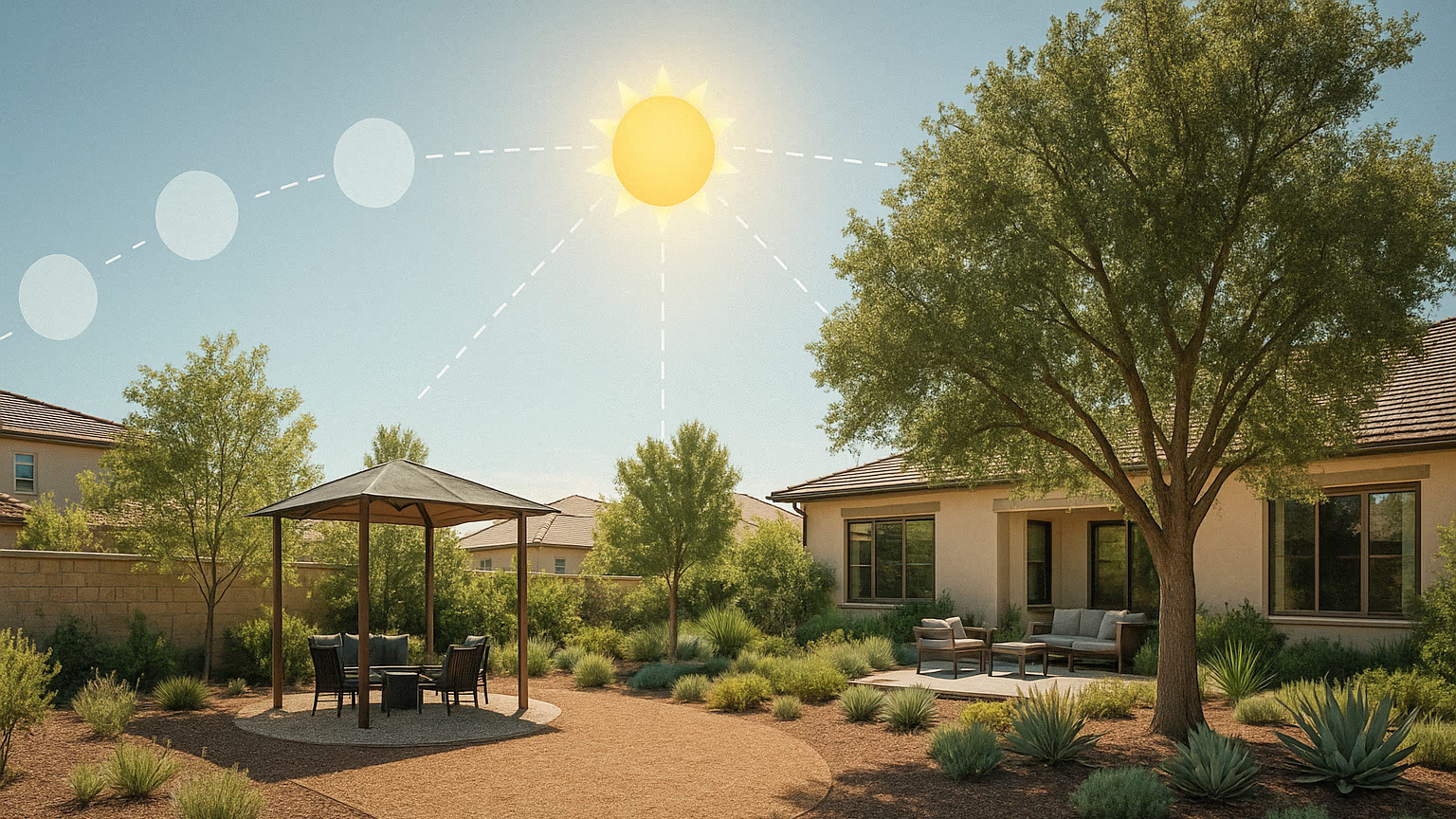
Before committing to a permanent shade structure, spend one full day (ideally in July or August) tracking how sunlight moves across your yard from 9 a.m. to 5 p.m. Mark the areas that get direct sun during peak play hours, typically 10 a.m. to 3 p.m. This simple observation exercise prevents the most common shade planning mistake: building a beautiful structure that shades the wrong spot by 2 p.m.
What Are the Best Fast-Growing Shade Trees for a Southern California Backyard?
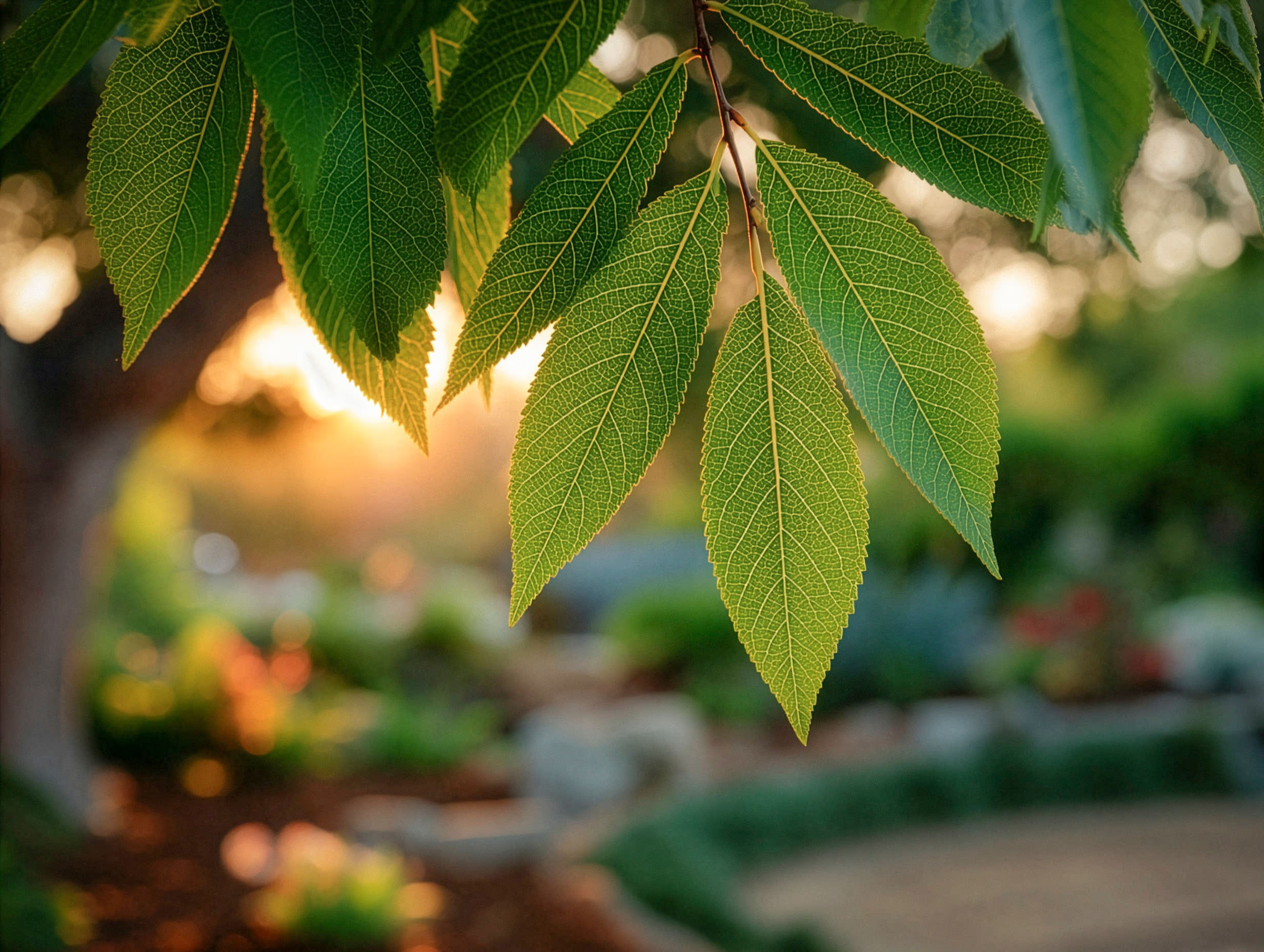
Manufactured shade structures do the job, but nothing matches the cooling power of a mature tree. Trees do not just block light; they actively cool the air through transpiration, releasing moisture that drops ambient temperatures several degrees beyond what a fabric or metal canopy achieves. A single well-placed shade tree can reduce air conditioning costs for the adjacent room of your home while creating the most comfortable outdoor environment possible.
The catch, of course, is time. Trees planted today will not cast meaningful shade for three to seven years depending on species. That is exactly why the best shade strategy layers fast solutions (sails, canopies, umbrellas) with long-term plantings. Start both at the same time, and the trees gradually take over as the manufactured shade ages out of its service life.
Fast-Growing Options That Thrive in Southern California
California sycamore (Platanus racemosa): A native species that grows three to four feet per year, reaching 40 to 80 feet at maturity with a broad, spreading canopy. Deciduous, which means shade in summer and sunlight in winter. Thrives in our climate with moderate water once established. Plant 20 or more feet from play structures to avoid root interference.
Chinese elm (Ulmus parvifolia): Semi-evergreen in mild Southern California winters, growing two to three feet per year to a mature height of 40 to 50 feet. Graceful, arching canopy provides excellent filtered shade. Tolerates drought well once established and adapts to a wide range of soil types common in Orange County.
Tipu tree (Tipuana tipu): One of the fastest shade producers in our region, growing three to five feet per year with a wide, umbrella-shaped canopy that can span 50 feet at maturity. Semi-deciduous, producing yellow flowers in spring. Roots can be aggressive, so allow 25 or more feet between the trunk and any structures, play equipment, or hardscaping.
Coast live oak (Quercus agrifolia): A California native that grows more slowly (one to two feet per year) but rewards patience with a massive, evergreen canopy and a lifespan measured in centuries. The most water-efficient option on this list once established. If you plan to be in your home long-term, an oak is the ultimate investment in natural shade.
GOOD TO KNOW
Always choose trees adapted to your specific climate zone (USDA zones 9b to 10b for most of Orange County). Species like red oaks, silver maples, and tulip trees struggle in Southern California's dry, alkaline conditions and are better suited to the Eastern United States. A tree that thrives locally will outpace a poorly adapted "fast grower" within a few years.
Living Shade Walls: Vines and Trellises for Play Area Perimeters
Vine-covered trellises and arbors create vertical shade walls that cool the edges of play areas without requiring the footprint of a tree. They also add privacy, wind protection, and visual interest. For Southern California backyards, choose vines that tolerate heat and moderate water:
Pink jasmine (Jasminum polyanthum): Fast-growing, fragrant, and evergreen. Creates dense coverage within two seasons. Kids will notice the sweet scent before they notice the shade, which is exactly the kind of sensory detail that makes a backyard feel alive.
Bougainvillea: Explosive color, extreme drought tolerance, and vigorous growth. Thorny stems discourage kids from climbing, which is either a pro or a con depending on your perspective. Positioned along a trellis at the perimeter of a play area, it creates a vivid boundary that doubles as shade.
Passion vine (Passiflora): Fast coverage, unusual flowers that fascinate children, and some species produce edible fruit. Semi-evergreen in our climate. An excellent choice if you want shade that doubles as a learning opportunity for curious kids.
"Design your planted areas based on available sunlight, and give your plantings the room they need to grow to maturity."
Jonathan Stalvey, Design Principal, TerraWorks Studio
How Do You Plan a Backyard Shade Strategy That Grows with Your Family?
The most successful shade designs are not single purchases. They are layered strategies that combine immediate relief with long-term growth, matching each solution to a specific need and timeline. Here is a practical planning process that avoids the two most common mistakes: over-investing in one solution and shading the wrong areas.
Step 1: Map Your Sun Exposure
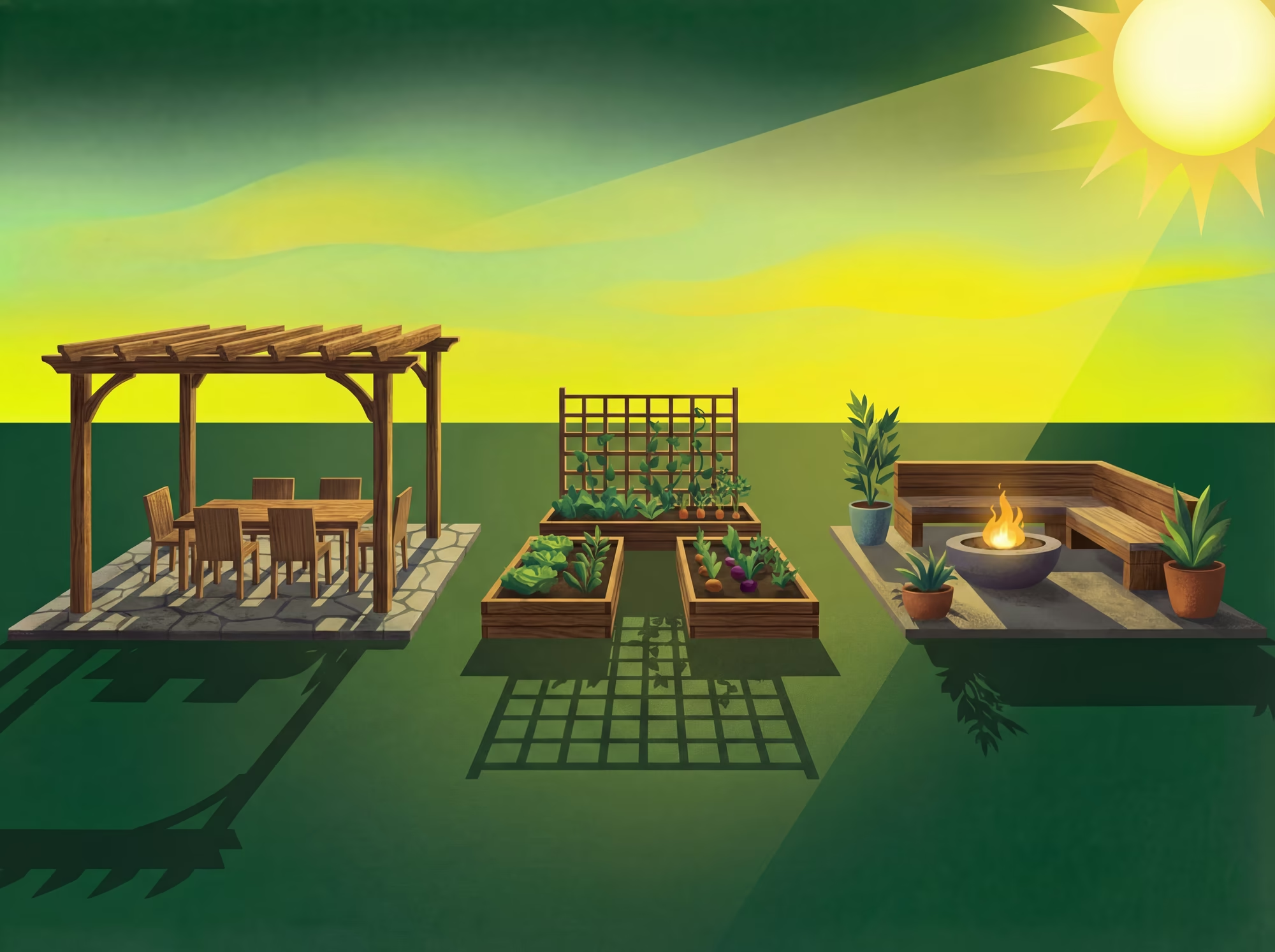
On a typical summer day, track where direct sunlight falls across your yard at 9 AM, noon, and 3 PM. Mark the areas that receive the most intense, sustained exposure during the hours your family is most likely to be outside. These are your priority shade zones. A simple smartphone photo taken from the same spot at each time creates a visual record that makes planning decisions much clearer.
Step 2: Identify Your Shade Zones by Use
Different activities need different shade qualities. Active play areas (swings, running space) benefit from overhead coverage that does not restrict movement. Stationary zones (sandboxes, reading corners, dining tables) can accommodate lower structures and closer plantings. Infant and toddler areas need the most complete UV protection. Map your activity zones over your sun exposure observations to see where needs and exposure overlap.
"Define those important zones that link the elements of a garden, providing room to get in and out of those spaces, and designing each area as its own unique experience."
David Gomez, Water Efficiency Specialist, IRWD
Step 3: Layer Your Timeline
This weekend: Install a shade sail or market umbrella over the highest-priority zone. This gives your family relief within days while you plan longer-term solutions.
This season: Plant fast-growing shade trees and climbing vines in strategic locations. Begin permitting if a pergola or gazebo is in your plan.
Year two to three: Add permanent structures as budget allows. Vines begin covering pergola beams. Trees start casting meaningful shade.
Year five and beyond: Trees deliver substantial canopy coverage. Manufactured shade solutions can be retired or repositioned. Your backyard is cooler, more comfortable, and more water-efficient than when you started.
Step 4: Budget in Phases, Not All at Once
A phased approach makes shade planning accessible at any budget. A shade sail and a couple of well-chosen trees can start under $500. A pergola or gazebo phase comes later when resources allow. This approach also lets your family test how they use the shaded spaces before committing to expensive permanent structures.
PRO TIP
Shade trees and ground-level plantings work together to reduce water needs across your entire yard. Shaded soil loses moisture to evaporation 30 to 50 percent more slowly than exposed soil. A backyard shade strategy is not just about comfort; it is one of the most effective ways to lower your overall water use during Southern California's long dry season.
Backyard Shade Solutions at a Glance
| Solution | Install Time | Lifespan | UV Block | Flexibility | Maintenance | Best For |
|---|---|---|---|---|---|---|
| Shade Sail | 1 day | 5-10 yrs | 90-98% | High | Low | Play areas, patios |
| Playset Canopy | Included | 3-5 yrs | 80-95% | Low | Low | Play decks |
| Umbrella | Immediate | 3-7 yrs | 85-98% | Very High | Low | Flexible zones |
| Pergola | 1-3 days | 20+ yrs | Partial | Low | Medium | Dining, lounging |
| Gazebo | 1-5 days | 15-25 yrs | 95-100% | None | Medium | Multi-use rooms |
| Shade Tree | Plant day | 50+ yrs | 60-90% | None | Low | Whole-yard cooling |
| Vine Trellis | 1 day | 10-20 yrs | 50-80% | Low | Medium | Privacy + shade |
Pergola UV blocking increases significantly with vine coverage. A mature vine-covered pergola approaches 70 to 85 percent coverage.
Frequently Asked Questions
How do you add shade to a backyard that has no trees?
Start with a shade sail or large market umbrella for immediate relief over your most-used area. These install in a day and provide 90 percent or more UV protection. At the same time, plant one or two fast-growing shade trees (California sycamore or Chinese elm are excellent choices for our region) positioned to shade priority zones as they mature. Within three to five years, you will have a layered combination of manufactured and natural shade that covers far more ground than either approach alone.
What is the best shade structure for a backyard play area?
For play structures specifically, shade sails mounted above the playset deliver the best combination of UV protection, airflow, and clearance for active play. They block 90 to 98 percent of UV rays without creating the enclosed, hot-air-trapping effect that solid roofs sometimes produce. For stationary play zones like sandboxes or outdoor art tables, a small pergola with climbing vines creates beautiful, evolving shade that kids enjoy watching grow.
How much cooler does a shade structure make a backyard?
Ground surface temperatures under a shade structure drop 15 to 20 degrees compared to direct sun exposure. Air temperature under shade is typically 5 to 10 degrees cooler. The cooling effect is even more pronounced with trees, which lower temperatures through transpiration in addition to blocking sunlight. Combined shade strategies (a sail plus nearby trees) can make outdoor spaces feel 10 to 15 degrees cooler than unshaded areas.
Are shade sails safe around children and play equipment?
When properly installed with rated hardware and appropriate tension, shade sails are safe for residential play areas. The key safety factors are secure mounting (concrete footings for posts, structural lag bolts for wall mounts), adequate height (a minimum of eight feet at the lowest point prevents children from reaching the fabric), and proper tensioning (a taut sail resists wind loads better than a slack one). Inspect hardware and fabric at the start of each season, and remove sails before high-wind events like Santa Ana conditions.
What are the best fast-growing shade trees for Southern California?
California sycamore, Chinese elm, and tipu tree all grow three or more feet per year and produce broad canopies well suited to our climate. For evergreen shade year-round, coast live oak grows more slowly but delivers a massive, permanent canopy that needs minimal water once established. Avoid species recommended in national gardening guides (like silver maple or tulip tree) that perform poorly in our dry, alkaline conditions. A locally adapted tree will always outperform a fast grower that struggles in your soil and climate.
Do shade structures require permits in Orange County?
Requirements vary by city and structure type. In most Orange County jurisdictions, freestanding shade sails and market umbrellas do not require permits. Permanent structures like pergolas and gazebos typically need a building permit, especially if they exceed a certain square footage or height, or if they attach to an existing structure. Check with your local planning department before starting construction. Many contractors handle the permitting process as part of their installation service.
How do shade structures affect water use in the garden?
Shade reduces soil evaporation by 30 to 50 percent, which translates directly into lower irrigation needs. Plants growing under shade structures or tree canopies require less frequent watering than those in full sun. A well-planned shade strategy can meaningfully reduce your overall outdoor water consumption, especially during the dry months when irrigation demand peaks. Shade trees themselves need water to establish, but most adapted species become drought-tolerant within two to three years of planting.
The Bottom Line
A shaded backyard is a used backyard. The difference between a yard that empties out by noon and one that draws your family outside all day often comes down to a few smart shade decisions. Start with a shade sail or umbrella for this weekend's relief. Plant a tree or two for the shade your yard will offer five years from now. Add a pergola or gazebo when the time and budget align.
Layer your approach, match each solution to how your family actually spends time outdoors, and plan for growth. Your kids will stay cooler and play longer. Your garden will need less water. Your outdoor space will feel less like a yard and more like the room you never knew your home was missing.
The best shade in your backyard is the kind that makes everyone want to stay a little longer. Find yourself outside.