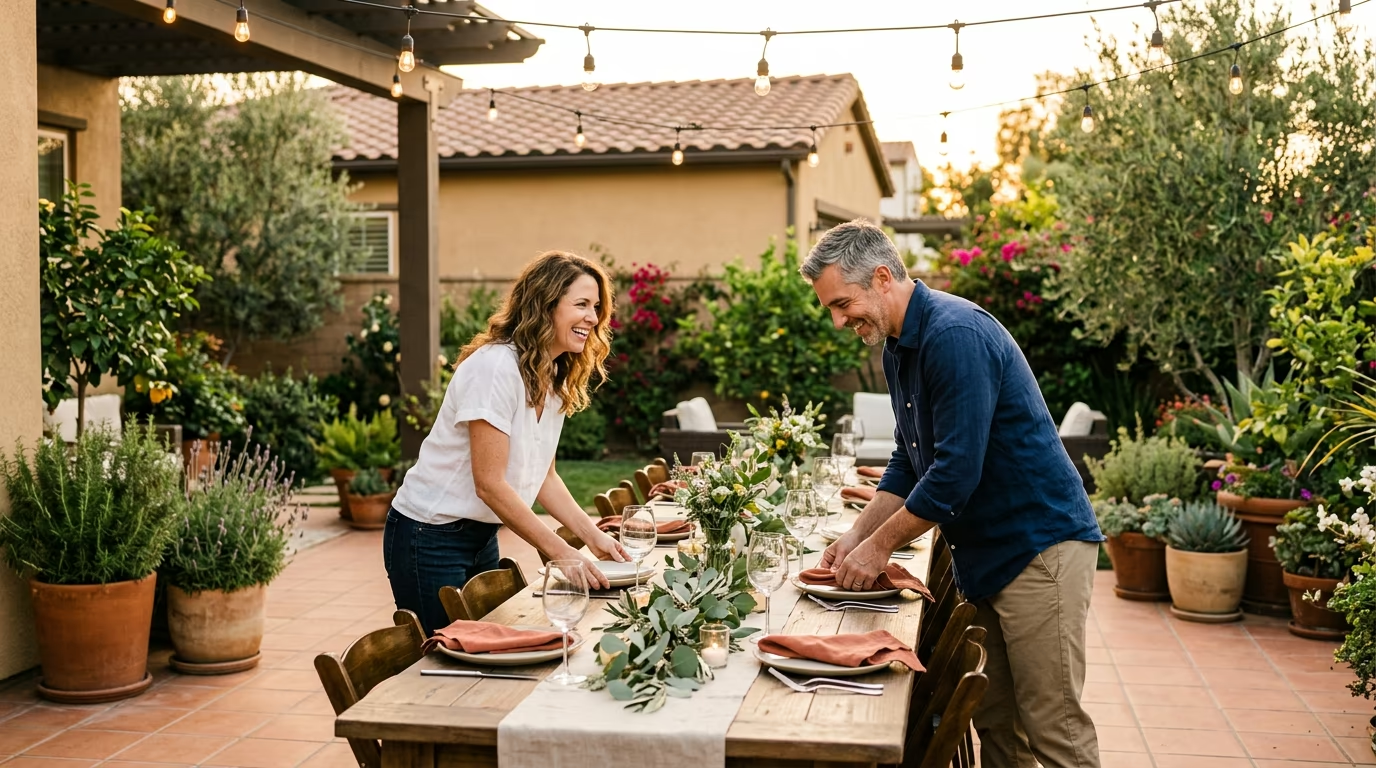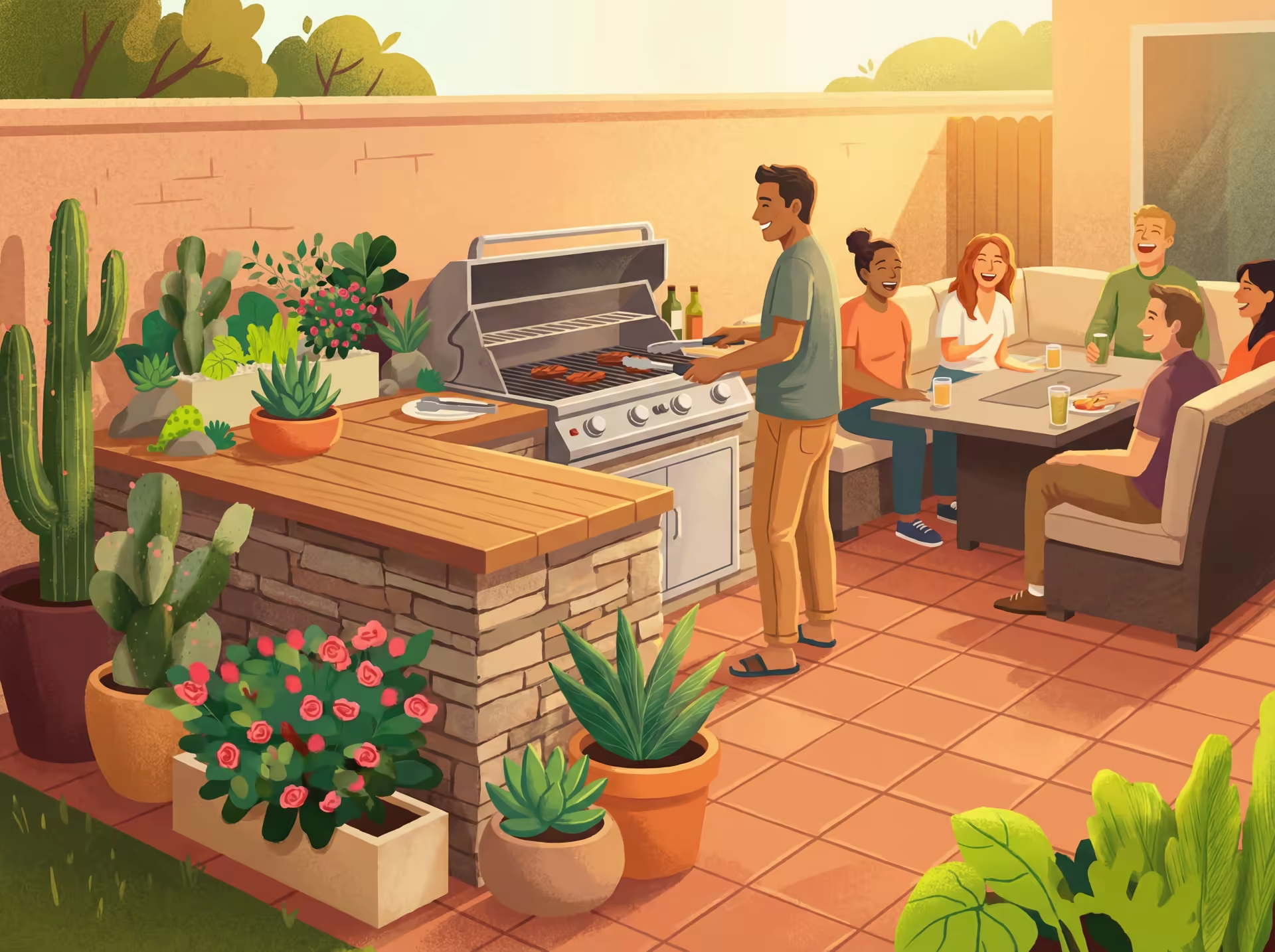
Picture your Yardtopia during a warm evening in your backyard. String lights catch the last glow of a Southern California sunset. Plates of grilled vegetables and fresh tortillas pass from hand to hand. Someone pulls up a chair, and the conversation stretches long past dessert. This is what outdoor dining furniture makes possible. Not just a place to eat, but a place to linger.
KEY TAKEAWAYS
- The best outdoor dining furniture pairs weather-resistant materials like teak, powder-coated aluminum, and high-quality resin wicker with designs that complement your garden rather than compete with it.
- Choosing plant-friendly features like elevated legs, slatted surfaces, and light-colored finishes protects your landscape while creating comfortable microclimates for year-round Southern California dining.
- Smart material choices mean less time maintaining furniture and more time enjoying meals outside with the people you love.
Why Your Outdoor Dining Space Deserves the Same Attention as Your Kitchen Table
Choosing the right pieces for that space can feel overwhelming. Patio dining furniture comes in dozens of materials, finishes, and configurations, and what looks beautiful in a showroom does not always hold up to afternoon sun, coastal moisture, or the reality of living alongside a garden. The wrong table traps heat against your plants. The wrong chair legs compress roots. The wrong finish peels after one season.
This guide walks through everything you need to make a confident decision: which materials perform best in our climate, which designs actually protect (and even support) surrounding plantings, and how to maintain what you choose so it stays beautiful for years. Whether you are furnishing a compact patio or building out a full outdoor dining room in your Yardtopia, the goal is the same: create a space that invites you to pull up a chair and stay awhile.
What Is the Best Material for Outdoor Dining Furniture?
No single material wins every category. The best choice depends on your style, your maintenance tolerance, and how your furniture interacts with the landscape around it. Here is an honest look at the four materials that perform best for outdoor dining.

Powder-Coated Aluminum: Lightweight, Modern, and Nearly Maintenance-Free
Aluminum patio furniture has earned its popularity for good reason. It resists rust entirely, moves easily when you want to rearrange for a larger gathering, and modern powder-coated finishes hold their color through years of direct sun. For homeowners who love to shift their layout with the seasons or pull extra seating to the table for a dinner party, aluminum gives you that flexibility without sacrificing style.
The finish matters more than the frame. Look for furniture with multi-stage powder coating, which bonds a protective layer to the metal rather than simply painting it. This process resists chipping, fading, and the kind of surface wear that makes lesser furniture look tired after a year or two.
Care: Wipe down with mild soap and warm water. A soft cloth keeps powder-coated surfaces from micro-scratching. That is genuinely all it takes.
Best for: Contemporary spaces, frequent entertainers, homeowners who want to rearrange without a workout.
Teak: The Heirloom Choice That Ages Well
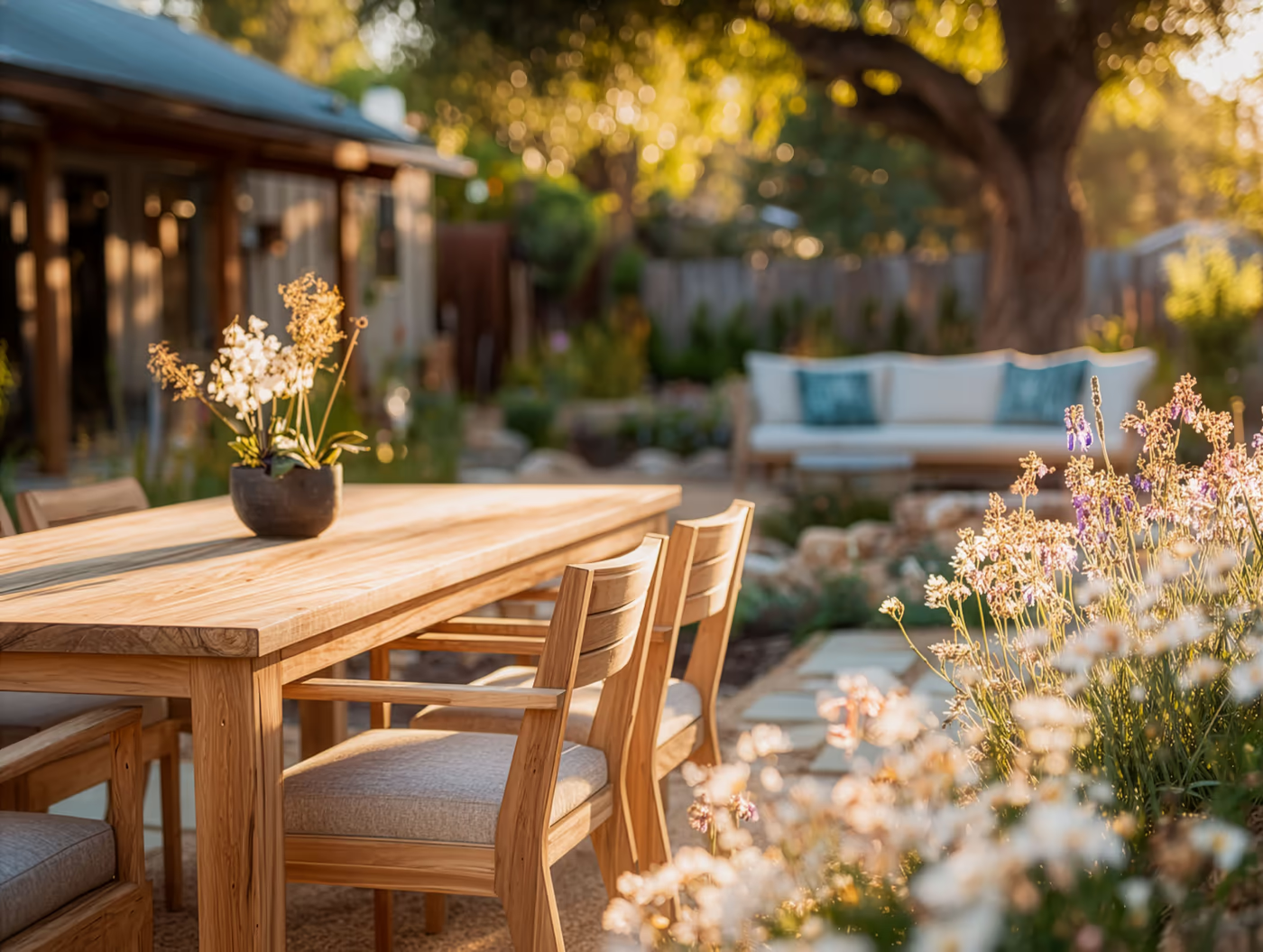
Teak outdoor furniture carries natural oils that repel moisture, resist insects, and prevent the cracking that plagues other hardwoods. A well-crafted teak dining table is not a purchase; it is an inheritance. These pieces routinely last 50 years or more, developing a silver-gray patina that many homeowners find more striking than the original golden tone.
What makes teak exceptional for garden-adjacent dining is its density. It absorbs and releases heat gradually, so it stays comfortable to touch even on warm afternoons. And because it naturally resists moisture, it will not warp or develop the mildew problems that send other wood furniture to the curb after a few seasons.
Care: Apply teak oil once a year if you prefer the warm honey color. If you love the weathered patina, simply let it age naturally. An occasional rinse with the garden hose keeps it clean. For deeper cleaning, a soft brush with mild soapy water restores the grain beautifully.
Best for: Traditional and coastal styles, long-term investment buyers, anyone who appreciates furniture that tells a story over decades.
High-Quality Resin Wicker: The Warmth of Natural Wicker Without the Worry
Natural wicker and outdoor weather have never gotten along. Resin wicker solves that problem completely. Woven over aluminum or steel frames, high-quality resin wicker patio furniture delivers the cozy, textured look of traditional wicker with full UV protection and weather resistance. Rain, sun, coastal salt air: none of it phases the material.
The best resin wicker uses HDPE (high-density polyethylene) strands rather than cheaper PVC alternatives. HDPE resists fading, does not become brittle in sun, and maintains its flexibility through temperature swings. The weave pattern also matters: a tighter weave looks more refined and holds its shape longer than loose, open patterns.
Care: Rinse regularly with a garden hose. For stubborn spots, mild detergent and a soft brush do the job. Allow pieces to dry in the sun, which they will happily do without damage.
Best for: Relaxed, comfortable dining spaces, families with young children, homeowners who want warmth and texture without high maintenance.
Recycled Plastic and Poly Lumber: Eco-Conscious Without Compromise
Recycled plastic outdoor furniture, often sold as poly lumber or HDPE lumber, transforms post-consumer plastics into dense, durable boards that mimic the look of painted wood. These pieces never need staining, sealing, or painting. They resist stains, mold, and insect damage. And at the end of a very long life, the material is recyclable again.
For Southern California homeowners committed to sustainability, poly lumber aligns outdoor living with environmental values without asking you to sacrifice aesthetics. Modern manufacturing produces convincing wood-grain textures and a wide palette of colors that hold fast through years of UV exposure.
Care: Soap and water. Truly, that is the complete care guide. Power washing works too, for those who enjoy the satisfaction.
Best for: Eco-conscious families, pool-adjacent dining areas, anyone who wants zero maintenance and complete weather immunity.
Quick Comparison: Outdoor Dining Furniture Materials at a Glance
| Material | Durability | Maintenance | Weight | Style Range | Price Range |
|---|---|---|---|---|---|
| Aluminum | Excellent | Very Low | Light | Modern | $$-$$$ |
| Teak | Exceptional | Low | Heavy | Classic to Coastal | $$$-$$$$ |
| Resin Wicker | Very Good | Low | Moderate | Casual to Elegant | $$-$$$ |
| Recycled Plastic | Excellent | Minimal | Heavy | Casual to Traditional | $$-$$$ |
How Does Outdoor Furniture Affect Your Garden (and What Can You Do About It)?
Your dining furniture shares the same square footage as your garden, the same sunlight, and the same water. That relationship can be competitive or cooperative, depending on the choices you make. Thoughtful furniture design actively supports the landscape around it, while poorly chosen pieces can suffocate root systems, scorch nearby foliage, and create drainage problems that ripple through your entire planting bed.
Here are the features that turn furniture into a good garden neighbor and a well-balanced Yardtopia.
Elevated Designs That Let Roots Breathe
Furniture with legs (rather than solid bases or platform designs) promotes air circulation at ground level. This matters more than most people realize. Stagnant air beneath heavy furniture creates pockets of excess moisture that invite fungal growth, while blocking the airflow that healthy root systems depend on. Look for pieces with at least four to six inches of clearance beneath the frame.
Slatted and Mesh Surfaces That Welcome Rain
Solid tabletops and seat surfaces redirect rainwater to the perimeter of the furniture, creating concentrated runoff that erodes soil and bypasses the plants closest to your dining area. Slatted or mesh designs allow rain to pass through naturally, distributing moisture evenly across the ground below. In a climate where every drop matters, letting water reach the soil directly means your garden captures what nature provides.
GOOD TO KNOW
In Southern California, positioning your dining set near established plantings can actually reduce irrigation needs. The shade cast by a table and umbrella creates a cooler microclimate that slows evaporation from the soil surface. Your furniture and your garden can work as partners, not competitors.
Light Colors That Create Comfortable Microclimates
Dark-colored furniture absorbs and radiates heat, raising the ambient temperature around nearby plants. In a region where afternoon temperatures regularly climb past 85 degrees, that added heat can stress tender foliage and increase water demand. Light-colored finishes reflect heat instead, creating a gentler microclimate for both your dinner guests and the lavender, sage, or rosemary growing nearby.
Rounded Edges That Protect What You Have Planted
Sharp corners and angular profiles catch on branches, scrape bark, and bruise foliage every time someone pushes back from the table. Rounded edges and flowing lines let people move freely through your outdoor space without leaving a trail of damaged plants. This is especially worth considering if your dining area sits along a garden path or borders a planting bed.
"Define those important zones that link the elements of a garden, providing room to get in and out of those spaces, and designing each area as its own unique experience."
David Gomez, Water Efficiency Specialist, IRWD
What Should You Look for (and Avoid) When Shopping for Patio Dining Furniture?
Every piece looks promising in a photo gallery. The differences that matter most reveal themselves over time: after the first heavy rain, the first summer of sustained UV, the first season of actual use. Knowing what to prioritize (and what to skip) saves you from the frustration of furniture that fails early.
Features Worth Paying For
UV-resistant finishes: Southern California delivers roughly 280 sunny days a year. Finishes without UV protection fade noticeably within a single season. Multi-stage powder coating on metals and UV-stabilized resins on wicker and plastic are non-negotiable for our climate.
Stainless steel or marine-grade hardware: Bolts, screws, and connectors are the first components to fail on cheap furniture. Stainless steel or coated hardware prevents the rust streaks that stain patios and weaken joints. If you live within 15 miles of the coast, marine-grade hardware is worth every cent.
Integrated drainage in seats and tables: Flat surfaces that pool water accelerate finish deterioration and create standing water that breeds mosquitoes. Look for subtle channels, slight slopes, or slatted designs that move water off surfaces quickly.
Quick-dry cushion fabrics: Solution-dyed acrylic fabrics (like Sunbrella) resist fading and dry rapidly after morning dew or an unexpected shower. Avoid cushions filled with standard polyester batting; they absorb water and dry slowly, which invites mildew.
Comprehensive warranty coverage: A manufacturer willing to back their furniture with a five-year or longer warranty is telling you something about material quality. Read the fine print: the best warranties cover frame, finish, and fabric separately.
Red Flags to Walk Past
Untreated softwoods: Pine, spruce, and other softwoods deteriorate rapidly without annual sealing. They are common in budget furniture and rarely last beyond two or three seasons outdoors.
Standard steel hardware: If a product listing does not specify stainless or coated hardware, assume standard steel. Rust will follow.
Solid, flat surfaces without drainage: Water pooling damages finishes, promotes algae growth, and attracts pests. This is the most common design shortcut in mid-range furniture.
Cushions without removable, washable covers: Outdoor dining involves spills. Permanently attached cushion covers become permanently stained cushion covers.
EXPERT TIP
Before committing to a set, test the weight of a single chair. Lift it, move it, push it back from a table. You will rearrange outdoor dining furniture far more often than indoor pieces. If a chair feels like a chore to move during a five-second test, imagine shifting it twice a week all summer.
What Is the Best Outdoor Furniture Material for Full Sun and Coastal Conditions?
Southern California is gorgeous and unforgiving in equal measure. The same sunshine that makes year-round outdoor dining possible also tests every material, finish, and fastener on your patio. Coastal proximity adds salt air to the equation. Choosing furniture that thrives in these specific conditions means understanding what our climate actually demands.

For full-sun patios: Powder-coated aluminum and recycled HDPE plastic handle sustained UV exposure best. Both materials resist fading and heat absorption better than wood or standard resin. If you prefer teak, positioning it under a shade structure or mature tree extends the life of any applied oil treatment and slows the patina process.
For coastal properties: Salt air corrodes standard metals within months. Aluminum, marine-grade stainless steel hardware, and HDPE plastics are your safest options. Teak also performs well near the coast, as its natural oils provide a barrier against salt moisture. Resin wicker holds up if the frame underneath is aluminum, not standard steel.
For covered patios and pergolas: With partial protection from direct UV, your material options expand. Teak, wicker, and even some high-quality wrought iron pieces become viable when they are not enduring eight-plus hours of unfiltered sun daily.
GOOD TO KNOW
Southern California homeowners who dine outdoors year-round put roughly three to four times more wear on their furniture than homeowners in seasonal climates. Investing in materials rated for commercial outdoor use (restaurants, resorts) often makes more sense financially than replacing residential-grade pieces every few years.
How Do You Care for Outdoor Dining Furniture So It Lasts for Years?
The right furniture in the right material needs surprisingly little maintenance. That said, a few simple habits make the difference between pieces that age gracefully and pieces that simply age. Keeping up on care will keep your Yardtopia looking beautiful all year round.
Seasonal Care Calendar for Southern California
Monthly (all materials): Wipe surfaces with a damp cloth or rinse with a garden hose. Remove fallen leaves and debris that trap moisture against finishes. Check cushions for mildew, especially after rare rainy stretches.
Quarterly: Deep clean with mild soap and a soft brush. Inspect hardware for loosening or early signs of corrosion. Tighten any connections that feel wobbly.
Annually (teak only): Decide whether to oil or let the patina develop. If oiling, apply teak oil after a thorough cleaning and complete drying. One coat a year is sufficient; over-oiling attracts dust and creates a gummy surface.
Annually (all cushioned pieces): Remove and wash all cushion covers according to manufacturer instructions. Replace any cushions showing mildew that cleaning cannot resolve. Store cushions in a ventilated container during extended periods of non-use.
PRO TIP
A furniture cover is the single most cost-effective investment you can make for extending the life of any outdoor dining set. Even weather-resistant materials benefit from protection during Santa Ana wind events and the rare Southern California rainstorm. Choose a breathable cover (not solid plastic, which traps condensation) with tie-down straps.
How Do You Design an Outdoor Dining Space That Becomes the Heart of Your Backyard?
Materials and features matter, but the real question is this: what do you want to feel when you step outside into your Yardtopia? The furniture is the frame. The experience is the masterpiece.
Start with the gathering you want to host. A weekly family dinner calls for a round table where everyone faces each other, where side dishes pass easily and conversation flows without anyone shouting across a long rectangle. A monthly neighborhood potluck needs expandable options and seating that accommodates different body types comfortably. A quiet breakfast for two wants a smaller bistro set tucked into a garden corner where morning light falls.
Think about the sounds you want around you: silverware clinking against ceramic plates, leaves rustling in an afternoon breeze, your kids recounting their day between bites. Then think about what you see from the table. Position your dining set to face the part of your yard that brings you the most joy, whether that is a flowering border, a mature tree, or the open sky at golden hour.
This is what it means to expand your living space outside and build your Yardtopia. Your outdoor dining area is not a lesser version of your kitchen. It is a different kind of room entirely: one with open walls, a living ceiling, and a guest list that includes hummingbirds and the smell of jasmine. The right furniture simply gives that room its invitation to sit down and stay.
Frequently Asked Questions
What is the best material for outdoor furniture that sits in full sun?
Powder-coated aluminum and recycled HDPE plastic tolerate sustained UV exposure better than any other materials. Both resist fading, heat retention, and surface degradation. Teak also performs well in sun but will transition to a silver-gray patina more quickly without shade protection. If preserving the original color matters to you, aluminum or HDPE is the more practical choice for unshaded patios.
How do you care for teak outdoor furniture?
Teak requires very little care. For routine cleaning, rinse with a garden hose and scrub stubborn spots with a soft brush and mild soap. If you prefer the original golden-honey color, apply teak oil once a year after cleaning and thorough drying. Many homeowners choose to skip the oil entirely and let teak develop its natural silver-gray patina, which is equally durable and carries its own distinctive beauty.
How often should you clean outdoor dining furniture?
A quick wipe or hose-down once a month keeps most materials looking fresh. Deep cleaning with mild soap and a soft brush every three months prevents buildup that can damage finishes over time. After Santa Ana wind events, brush off any grit or debris promptly; fine particles act like sandpaper on coated surfaces.
Can outdoor dining furniture damage nearby plants?
It can, if poorly chosen. Heavy, solid-base furniture compresses root systems and blocks airflow at soil level. Dark-colored pieces radiate heat that stresses nearby foliage. Solid surfaces redirect rainwater away from planting beds. Choosing elevated, light-colored designs with slatted or mesh surfaces prevents all three issues and actually helps your garden by creating shade and allowing natural water distribution.
What is the most durable outdoor dining furniture for families with kids?
Recycled HDPE plastic and powder-coated aluminum handle the realities of family dining best. Both resist stains, scratches, and the kind of daily wear that children deliver. HDPE plastic is especially forgiving because it does not chip, peel, or splinter, and spills wipe away instantly. Resin wicker is another family-friendly option for its comfort and easy cleanup.
Is recycled plastic outdoor furniture actually durable?
High-quality HDPE recycled plastic furniture is among the most durable options available. The material does not rot, crack, splinter, or absorb moisture. It resists stains and UV fading without any protective coatings or treatments. Many manufacturers offer 20-year residential warranties. The trade-off is weight: HDPE furniture is heavy, which makes it stable in wind but less convenient to rearrange.
How do you protect outdoor furniture from coastal salt air?
Choose materials that naturally resist salt corrosion: aluminum, teak, HDPE plastic, or resin wicker with aluminum frames. Rinse furniture monthly with fresh water to remove salt deposits before they accumulate. Avoid any furniture with exposed standard steel components, including hardware, as salt air corrodes unprotected steel rapidly. Furniture covers provide an additional layer of protection during periods of heavy coastal fog.