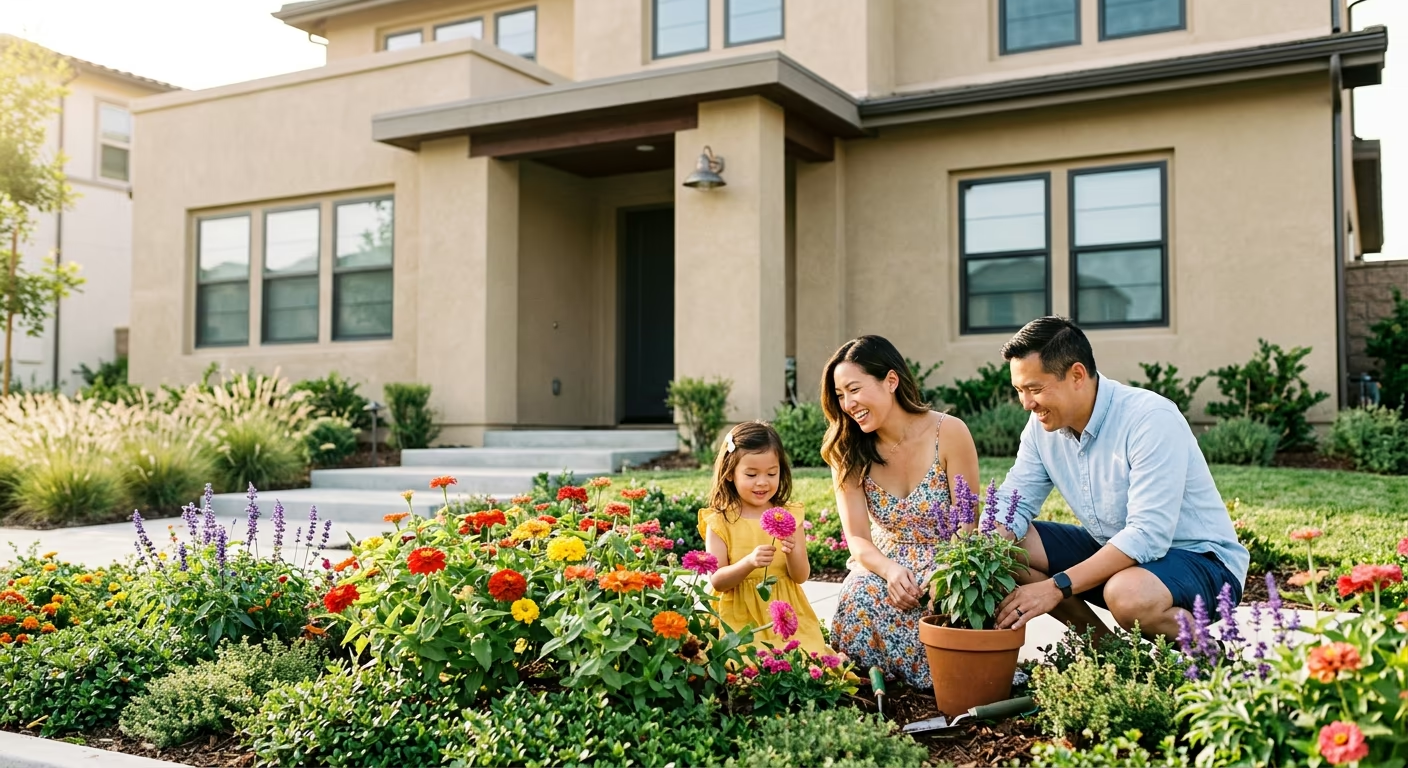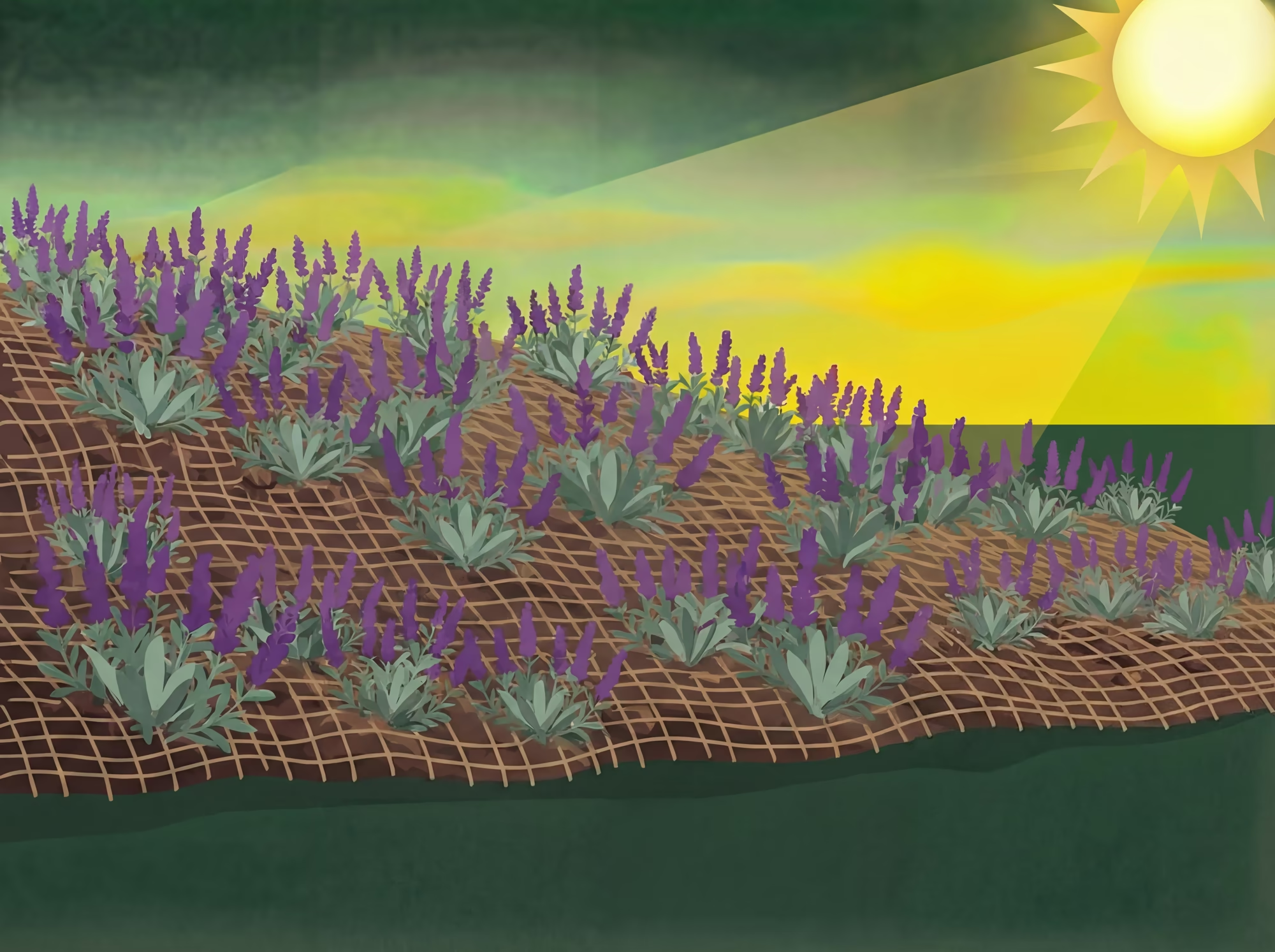

While traditional lawns demand constant watering, weekly mowing, and regular fertilizing just to stay green in Southern California's Mediterranean climate, ground cover plants do the opposite. They spread, they bloom, they fill in. They ask for very little and give back a landscape that feels intentional, beautiful, and unmistakably yours.
KEY TAKEAWAYS
- Ground cover plants replace traditional lawns with living, low-maintenance surfaces that never need mowing and use a fraction of the water that turf grass demands in Southern California's climate.
- Southern California's USDA zones 9b through 10b support dozens of gorgeous ground covers that thrive on minimal irrigation, offering year-round color, texture, and even fragrance.
- The best ground cover for your yard depends on three factors: sun exposure, how much foot traffic the area receives, and the look you want to create.
Whether you are replacing an entire lawn, filling gaps between stepping stones, or covering a slope that has always been difficult to maintain, this guide walks through the best ground cover plants for Southern California yards. You will learn which varieties handle full sun, which thrive in shade, which ones you can actually walk on, and how to plant them for success. By the end, you will have a clear plan for creating a living landscape and everything you are looking for in your Yardtopia.
What Are Ground Cover Plants and Why Are They Better Than Grass?
Ground cover plants are low-growing species that spread horizontally to form a dense, continuous mat across the soil surface. They typically stay under six inches tall, require no mowing, and serve the same visual role as a lawn: creating a cohesive green (or colorful) surface that ties a landscape together. The difference is that ground covers accomplish this while using significantly less water, requiring far less maintenance, and offering far more visual interest than a single species of turf grass.
For Southern California homeowners, the case for ground covers over traditional lawns is especially compelling. Turf grass accounts for 50 to 70 percent of residential water use in this region, and most of that water goes to maintaining a front yard that the average homeowner uses less than ten minutes per week. Ground cover plants, by contrast, typically need 50 to 75 percent less irrigation once established. Many are California natives that evolved to thrive in exactly these conditions: hot, dry summers and mild, wet winters.
Beyond water savings, ground cover plants deliver benefits that grass simply cannot match. Many varieties bloom with seasonal flowers. Some release fragrance when walked on. Others suppress weeds so effectively that you spend less time on maintenance overall. And unlike a lawn, which looks essentially the same from one yard to the next, ground covers let you create a landscape with genuine character and texture.
GOOD TO KNOW
Ground cover plants are not just for replacing entire lawns. They excel in areas where grass struggles: steep slopes, narrow strips between the sidewalk and street, shady patches under trees, and gaps between pavers or stepping stones. Starting with one of these challenging spots is a great way to experiment before committing to a larger area.
The transition from lawn to ground cover does require some patience. Most ground cover plants take one to two growing seasons to fill in completely, depending on the variety and spacing. But once established, the maintenance difference is dramatic. No mowing. No edging. Minimal fertilizing. And a water bill that reflects the change. Always check HOA guidelines before proceeding with landscape changes.
Which Ground Cover Plants Work Best in Full Sun?
The best ground cover plants for full sun in Southern California are those adapted to intense light, heat, and dry conditions. Creeping thyme, dymondia, and lippia are three of the most reliable performers, each offering a distinct look and level of walkability. For Southern California yards that receive six or more hours of direct sun daily, these varieties thrive where turf grass would demand constant irrigation.
Creeping Thyme (Thymus serpyllum)
Creeping thyme is one of the most popular ground cover plants for good reason. It grows just two to four inches tall, spreads to form a dense, fragrant mat, and produces tiny purple, pink, or white flowers from late spring through summer. It handles light to moderate foot traffic well, releasing a pleasant herbal scent when stepped on. In Southern California's zones 9b through 10b, creeping thyme is evergreen and requires watering only every seven to ten days once established.
Creeping thyme performs best in well-drained soil and does not tolerate standing water. It spreads at a moderate pace, with plants spaced 12 inches apart filling in within one growing season. This is an excellent choice for pathways, between stepping stones, and as a lawn replacement in areas that get occasional foot traffic.
Kurapia (Lippia nodiflora)
Kurapia is a patented, low-growing ground cover derived from the plant Phyla nodiflora and was developed in Japan as a drought-tolerant alternative to traditional turfgrass. It requires significantly less water once established, which makes it especially well suited for dry climates like Southern California. Kurapia also needs very little maintenance since it grows only a few inches tall and rarely requires mowing. Its dense growth helps naturally suppress weeds, while its durability allows it to handle moderate foot traffic and recover quickly. In addition, it supports a more eco-friendly landscape by reducing runoff, fertilizer use, and emissions from lawn equipment. Visually, it maintains a soft, green appearance similar to grass and produces small white flowers during its bloom season.
Dymondia (Dymondia margaretae)
Dymondia, sometimes called silver carpet, creates one of the flattest, most lawn-like surfaces of any ground cover. It stays under two inches tall, forms a tight mat of narrow gray-green leaves with silver undersides, and produces small yellow flowers in summer. It tolerates moderate foot traffic and, once established, needs very little supplemental water.
What makes dymondia especially appealing for lawn replacement is its appearance. From a distance, a mature dymondia planting looks remarkably like a manicured lawn, just with more texture and visual depth. It spreads by runners and fills in steadily when planted on 6 to 8 inch centers. One consideration: dymondia establishes more slowly than some alternatives, typically requiring 12 to 18 months to achieve full coverage.
Lippia (Phyla nodiflora)
Lippia, also known as frog fruit, is one of the fastest-spreading ground cover plants available for Southern California gardens. It grows one to three inches tall, tolerates heavy foot traffic, and produces clusters of tiny white and lavender flowers throughout the growing season. It is also one of the most drought-tolerant ground covers, requiring minimal irrigation once its root system is established.
Lippia fills in quickly, often covering a planted area within a single growing season when spaced 12 to 18 inches apart. It goes semi-dormant in winter, turning slightly brown before greening up again in spring. For homeowners who want the fastest path from bare soil to living ground cover, lippia is hard to beat.
Lantana (Lantana montevidensis)
Trailing lantana is a showstopper for sunny slopes and borders. It grows 12 to 18 inches tall with a spreading habit that can cover four to six feet, producing clusters of purple, yellow, or white flowers nearly year-round in Southern California. It is extremely drought-tolerant and deer-resistant. Lantana is better suited as a look-only ground cover on slopes and borders rather than walkable areas.
EXPERT TIP
When choosing a full-sun ground cover, consider the "walkability spectrum." Dymondia and lippia handle regular foot traffic well and work as true lawn replacements. Creeping thyme tolerates light to moderate traffic. Matching the plant to the actual use of the space is the single most important decision you will make.
Which Ground Cover Plants Thrive in Shade?
The best ground cover plants for shade in Southern California include wild ginger, baby tears, Corsican mint, and native sword ferns. These varieties thrive with less than four hours of direct sun and create lush, green surfaces under trees, along north-facing walls, and in other low-light areas where grass typically thins out and fails.
Wild Ginger (Asarum caudatum)
Wild ginger is a Pacific Coast native that creates a beautiful, dense carpet of heart-shaped leaves in shaded areas. It grows four to six inches tall and spreads steadily by rhizomes, eventually forming an unbroken mat of rich green foliage. It prefers moist, well-drained soil and performs best with consistent moisture, though established plants tolerate some dry periods. Wild ginger is an excellent choice for woodland-style plantings under mature trees.
Baby Tears (Soleirolia soleirolii)
Baby tears create one of the most delicate and visually striking ground covers available: a dense, bright green carpet of tiny round leaves that hugs the ground at just one to two inches tall. It thrives in partial to full shade with regular moisture and creates a moss-like appearance that works beautifully between pavers, in container gardens, and as an underplanting beneath larger shrubs. Baby tears do need more water than most other options on this list, making it best suited for small, targeted areas rather than large-scale lawn replacement.
Corsican Mint (Mentha requienii)
Corsican mint is the smallest member of the mint family, growing less than one inch tall and releasing a strong, pleasant peppermint fragrance when stepped on. It forms a bright green, moss-like mat in shaded, moist areas and handles light foot traffic. In Southern California, Corsican mint does best in areas that receive morning sun and afternoon shade, with consistent moisture. It is ideal for shaded pathways, between stepping stones, and in small courtyard gardens.
Native Ferns (Various species)
California native ferns, including sword fern (Polystichum munitum) and giant chain fern (Woodwardia fimbriata), create a lush, woodland feel in shaded areas. While they grow taller than typical ground covers (12 to 36 inches), they spread to create dense, continuous coverage on shaded slopes and under tree canopies. They pair well with lower-growing shade covers like wild ginger or baby tears to create a layered, naturalistic planting.
GOOD TO KNOW
Most shade-loving ground covers need more moisture than their sun-loving counterparts. If you are replacing lawn in a shaded area, plan to keep drip irrigation in place for these plantings. The water savings compared to turf are still significant, but shade ground covers are not as drought-tolerant as full-sun options like dymondia or lippia. A simple drip system on a timer keeps them thriving with minimal effort.
Can You Walk on Ground Cover Plants?
Yes, many ground cover plants tolerate foot traffic, but the degree varies significantly from one variety to the next. Choosing the right plant for the right level of use is essential. A ground cover planted along a daily-use pathway needs to be far more resilient than one filling a decorative border that people rarely step on.
Here is a practical comparison of walkability across the most common ground cover options for Southern California:
| Ground Cover | Height | Foot Traffic Tolerance | Best Use |
|---|---|---|---|
| Lippia (frog fruit) | 1-3 in. | Heavy | Lawn replacement, play areas, pathways |
| Dymondia (silver carpet) | 1-2 in. | Moderate to heavy | Front yard lawn replacement, between pavers |
| Creeping thyme | 2-4 in. | Light to moderate | Pathways, between stepping stones |
| Kurapia | 1-2 in. | Light to moderate | Between pavers, sun or shade, lawn replacements |
| Corsican mint | <1 in. | Light | Shaded pathways, between pavers |
| Baby tears | 1-2 in. | Very light | Decorative areas, courtyard accents |
| Lantana | 12-18 in. | None | Slopes, borders, visual coverage |
| Wild ginger | 4-6 in. | Very light | Shaded woodland plantings |
| Native ferns | 12-36 in. | None | Shaded slopes, understory |
For areas that receive daily foot traffic, such as the path from your driveway to your front door or a play area for children, lippia and dymondia are the strongest performers. Both recover quickly from being walked on and actually benefit from occasional light traffic, which keeps them growing densely.
For stepping stone paths and areas with intermittent use, creeping thyme is an excellent choice. It handles being walked on a few times a day without issue, and the fragrance it releases when stepped on is a genuinely pleasant bonus.
For decorative areas where you want the look of a living carpet without regular foot traffic, the options expand to include nearly every ground cover on this list. This is where you have the most creative freedom to choose based on aesthetics, color, and texture rather than durability.
PRO TIP
One of the most effective design strategies is to combine a walkable ground cover like dymondia or creeping thyme between stepping stones, with a showier, non-walkable variety like lantana or California fuchsia bordering the path. This creates clear circulation while maximizing visual impact. Visitors naturally step on the stones and low ground cover while the border plantings frame the view.
What Are the Best Native California Ground Covers?
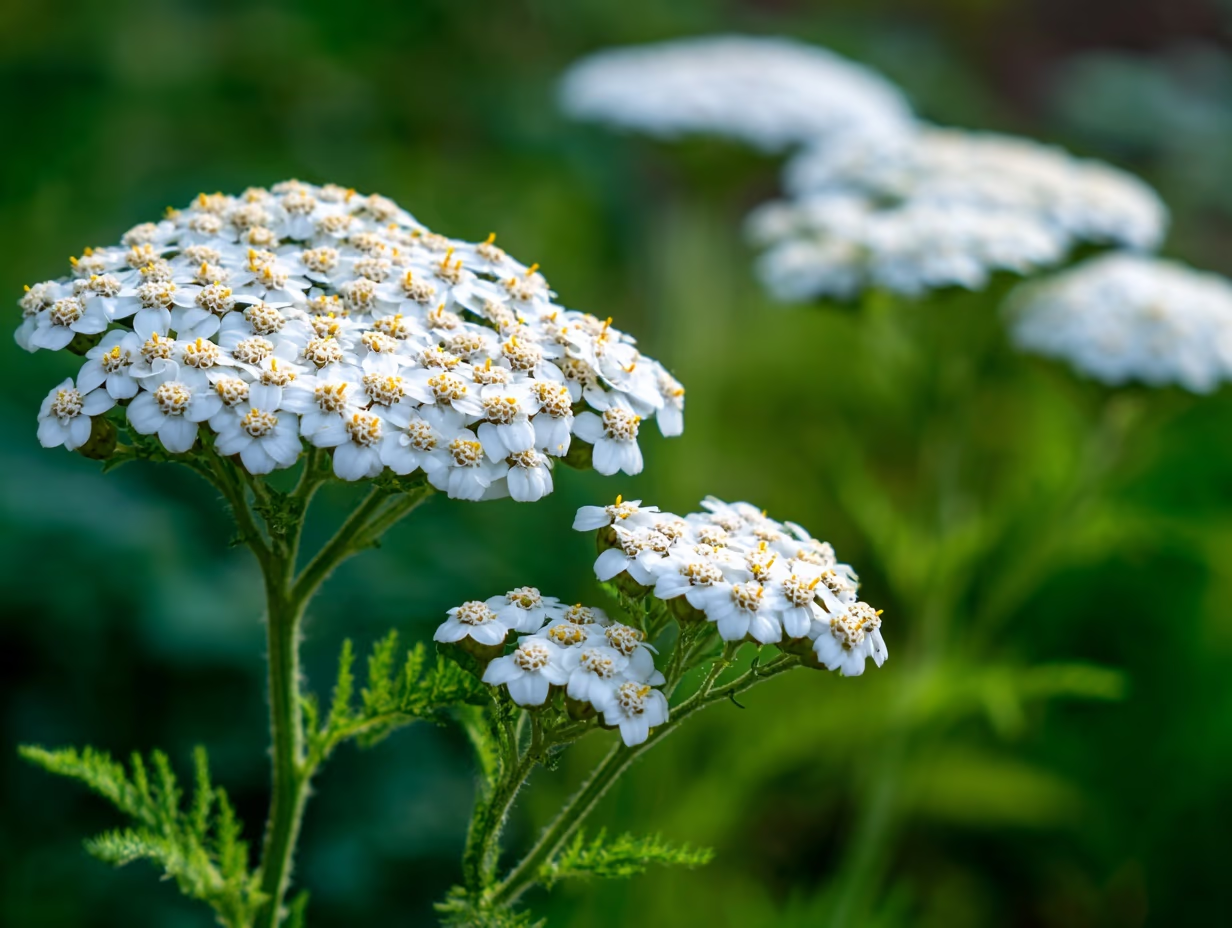
The best native California ground covers for Southern California landscapes include California fuchsia, yarrow, creeping sage, and blue-eyed grass. These species evolved in the same Mediterranean climate as your yard, which means they are naturally adapted to long, dry summers and mild, wet winters. Once established, most California natives need little to no supplemental irrigation, and they provide habitat for local wildlife.
California Fuchsia (Epilobium canum)
California fuchsia is a hummingbird magnet. It grows 6 to 12 inches tall with a spreading habit and produces vibrant red-orange tubular flowers from midsummer through fall, exactly when most other plants are winding down. It thrives in full sun, handles poor or rocky soil, and needs almost no supplemental water once established. California fuchsia is ideal for slopes, borders, and any area where you want bold color without the upkeep.
Yarrow (Achillea millefolium)
Native yarrow creates a feathery, fern-like carpet of foliage that stays four to six inches tall when not in bloom, sending up flat clusters of white, pink, or yellow flowers to about 12 inches. It spreads by rhizomes and tolerates moderate foot traffic, making it one of the more versatile native ground covers. Yarrow is extremely drought-tolerant, deer-resistant, and attractive to butterflies. It performs well in full sun to light shade.
Creeping Sage (Salvia sonomensis)
Creeping sage is a low-growing California native that forms dense, aromatic mats of gray-green foliage, reaching about 6 to 12 inches tall with a spread of three to four feet per plant. It produces spikes of lavender-blue flowers in spring. Creeping sage excels on slopes and in areas with excellent drainage. It is extremely drought-tolerant and pairs beautifully with other natives in a cohesive, naturalistic planting.
Blue-Eyed Grass (Sisyrinchium bellum)
Despite its name, blue-eyed grass is actually a member of the iris family. It forms neat clumps of narrow, grass-like foliage six to eight inches tall, topped with delicate blue-violet flowers in spring. While it does not spread as aggressively as some ground covers, it self-seeds freely and works beautifully in mass plantings and meadow-style designs. Blue-eyed grass tolerates both sun and partial shade and needs minimal summer water.
Choosing native ground covers is one of the most impactful decisions you can make for your landscape. Native plants require fewer inputs and create a landscape that feels authentically connected to Southern California. Creating your Yardtopia with natives is not just water-wise: it is an investment in the landscape that belongs here.
How Do You Plant Ground Cover Successfully?
Planting ground cover successfully in Southern California comes down to three fundamentals: proper spacing, good soil preparation, and establishing a watering schedule that transitions from frequent to minimal over the first growing season. Get these right, and your ground cover will reward you with steady, reliable coverage.
Choosing the Right Time to Plant
The ideal planting window for ground covers in Southern California is fall through early spring, roughly October through March. Planting during the cooler, wetter months gives roots time to establish before summer heat arrives. Fall planting is especially advantageous because plants benefit from winter rains and have a full growing season ahead to spread before their first dry summer.
If you are planting in spring or early summer, plan for more frequent irrigation during the first few months. Avoid planting in the peak of summer heat (July through September) if possible, as the stress on new transplants is significantly higher and establishment is slower.
Soil Preparation
Before planting, prepare the soil by removing all existing grass or weeds. Amend the soil with two to three inches of quality compost, working it into the top six inches. This improves drainage, adds nutrients, and gives your new plants the best possible start.
For native California ground covers, go lighter on amendments. Most natives actually prefer lean, well-drained soil and can struggle in overly rich conditions. A thin layer of compost (one inch or less) is usually sufficient.
"Put some dirt in your hand and squeeze it to determine where it lies between the textures of pure clay and pure sand. You want a healthy mix of both."
— Joanne Crawford-Dunér, Master Gardener, University of California Cooperative Extension Master Gardeners of Orange County
Spacing for Full Coverage
Proper spacing depends on the variety and how quickly you want full coverage. Here are general guidelines:
| Ground Cover | Recommended Spacing | Time to Full Coverage |
|---|---|---|
| Lippia | 12-18 inches | 4-6 months |
| Dymondia | 6-8 inches | 12-18 months |
| Creeping thyme | 8-12 inches | 8-12 months |
| California fuchsia | 18-24 inches | 12-18 months |
| Yarrow | 12-18 inches | 8-12 months |
| Creeping sage | 24-36 inches | 12-18 months |
Closer spacing means faster coverage but higher initial plant cost. Wider spacing is more budget-friendly but requires patience and more weed management during the fill-in period.
Watering During Establishment
New ground cover plants need consistent moisture for the first four to eight weeks, regardless of the variety. Water deeply every two to three days during this establishment phase, then gradually reduce frequency over the next few months. Most drought-tolerant ground covers can transition to once-weekly or biweekly watering by the end of their first growing season.
A drip irrigation system is the most efficient way to water ground cover plantings. Drip lines spaced 12 inches apart deliver water directly to the root zone with minimal waste. Once your ground cover is fully established, you may be able to reduce drip irrigation to occasional deep soakings or even disconnect it entirely for the most drought-tolerant natives.
Mulching Between Plants
While your ground cover fills in, apply two to three inches of mulch between plants to suppress weeds and retain soil moisture. Use a fine-textured organic mulch like shredded bark or composted wood chips. Avoid piling mulch directly against plant stems, which can cause rot. As the ground cover spreads and fills in the gaps, it will naturally suppress weeds on its own and you can stop adding mulch.
GOOD TO KNOW
One common mistake during the establishment phase is overwatering. While new transplants need consistent moisture, ground cover plants are not lawn grass. Soggy, waterlogged soil will kill most ground covers faster than drought. Water deeply but allow the top inch of soil to dry between waterings. If you are not sure whether it is time to water, push your finger into the soil. If it feels moist an inch down, wait another day.
What About Mixing Ground Covers with Other Elements?
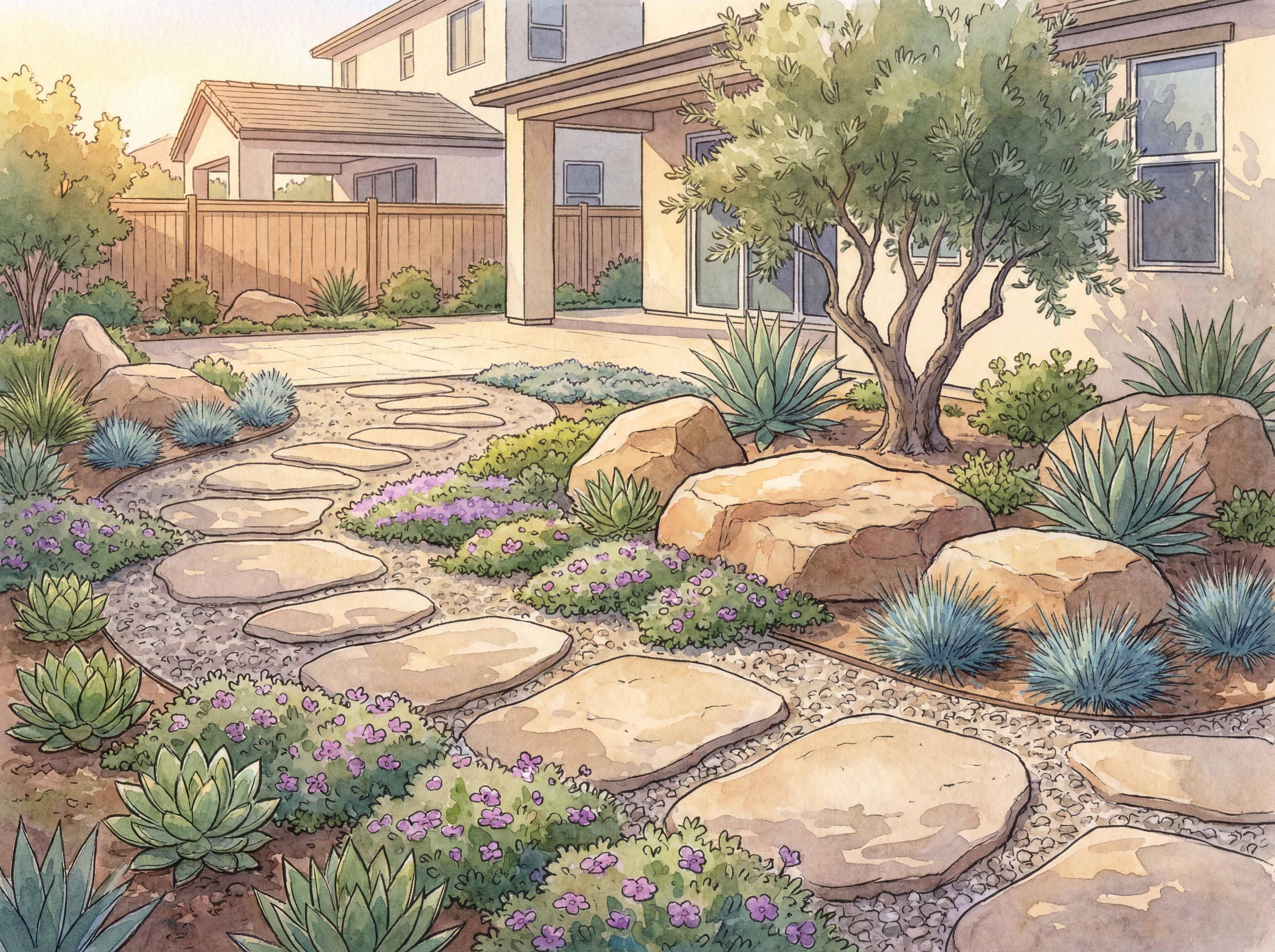
Some of the most stunning landscapes in Southern California combine ground cover plants with hardscape elements like stepping stones, gravel, boulders, and ornamental grasses. This mixed approach creates visual depth, defines circulation paths, and allows you to use different ground covers in different zones based on sun, shade, and traffic patterns.
Ground Cover and Stepping Stones
The classic combination of ground cover between stepping stones or flagstone pavers is one of the easiest ways to create a beautiful, functional landscape. The stones provide a firm walking surface while the ground cover softens the edges and fills the gaps with living color. Creeping thyme, dymondia, and Corsican mint are the most popular choices for between pavers because they stay flat, tolerate being stepped on at the edges, and grow well in the narrow spaces between stones.
When installing this combination, set your stepping stones first, then plant ground cover in the joints and surrounding areas. Leave at least two inches of soil depth in the gaps between stones for roots to establish. Over time, the ground cover will creep over the edges of the stones slightly, creating a naturalistic, settled look that appears as though the plants and stones have been together for years.
Ground Cover and Gravel
Combining ground cover with decomposed granite or gravel creates a clean, modern aesthetic that is especially popular in front yard designs. Use ground cover in defined planting areas and gravel for pathways and negative space. A steel or aluminum landscape border between the two keeps everything tidy. This approach works particularly well on slopes, where gravel handles drainage while ground cover holds the soil and provides color.
Ground Cover and Ornamental Grasses
Pairing low ground covers with taller ornamental grasses creates a layered, meadow-like landscape with tremendous visual interest. Imagine a carpet of creeping thyme or yarrow at ground level, with clumps of deer grass (Muhlenbergia rigens) or purple fountain grass rising above. This combination provides year-round interest as the grasses sway in the breeze and the ground cover blooms at their feet. It is a design approach that feels effortless but looks intentional.
Design Principles for Cohesion
When combining ground covers with other elements, a few principles will keep your landscape looking cohesive rather than chaotic:
Limit your plant palette. Choose two to three ground cover varieties at most, plus one or two accent plants. A landscape with too many different species can look disjointed. Repetition creates rhythm and visual calm.
Create clear transitions. Use borders, edging, or natural boundaries (like a pathway or row of stepping stones) to define where one ground cover ends and another begins. Abrupt changes without a visual transition look unplanned.
Think in layers. The most interesting landscapes have a ground plane (ground cover), a mid-layer (ornamental grasses, small shrubs), and a canopy layer (trees). Even a small yard can use this three-layer approach to create depth and richness.
Let the ground cover be the star. Resist the urge to fill every inch with something different. A large sweep of a single ground cover, punctuated by a few well-placed boulders or accent plants, has more visual impact than a busy patchwork of competing elements.
GOOD TO KNOW
If you are envisioning a landscape that combines ground covers, hardscape, and accent plantings, the design phase is a great time to browse Yardtopia.com for inspiration. You will find project galleries and design ideas that show how other Southern California homeowners have combined these elements in creative ways.
This mixed approach is where your Yardtopia really comes to life. When you combine the right ground cover plants with thoughtful hardscape and a few strategic accent plantings, you get a landscape that looks like it was designed by a professional but feels authentically, personally yours.
Frequently Asked Questions
What is the best ground cover to replace grass?
The best ground cover to replace grass depends on your specific conditions. For full-sun areas with foot traffic, dymondia and lippia are the top performers because they create a dense, lawn-like surface that tolerates being walked on. For shaded areas, baby tears or wild ginger create lush, green coverage. Most Southern California homeowners find that dymondia provides the closest visual match to a traditional lawn while using significantly less water.
What ground cover can I walk on?
Lippia (frog fruit) and dymondia (silver carpet) handle the heaviest foot traffic and work well as primary walking surfaces. Creeping thyme tolerates light to moderate foot traffic and is popular between stepping stones. Corsican mint handles light traffic in shaded areas. For paths and play areas, pair walkable ground covers with stepping stones to distribute foot traffic and protect the plants.
How fast does ground cover spread?
Spread rate varies widely by species. Lippia is one of the fastest, often achieving full coverage in four to six months when planted on 12 to 18 inch centers. Creeping thyme fills in within one growing season at 8 to 12 inch spacing. Dymondia is slower, typically taking 12 to 18 months to close gaps when planted 6 to 8 inches apart. Planting closer together speeds coverage but costs more upfront.
Do ground cover plants need irrigation?
Most ground cover plants need regular irrigation during the establishment phase (first four to eight weeks) and reduced watering during their first growing season. Once fully established, many drought-tolerant varieties like dymondia, lippia, and California natives need very little supplemental water. Some native ground covers, like California fuchsia and creeping sage, can survive on rainfall alone after their first year in the ground.
What is the cheapest ground cover for a large area?
Lippia (frog fruit) and creeping thyme offer the best value for large areas because they spread quickly and can be planted at wider spacing (12 to 18 inches), reducing the number of plants needed. For the most budget-friendly approach, buy flats or plugs rather than larger containers. Seed is another option for yarrow and some native ground covers, though it requires more patience and weed management during establishment.
Will ground cover plants choke out weeds?
Once fully established, dense ground covers like lippia, dymondia, and creeping thyme effectively suppress most weeds by outcompeting them for light and space. During the establishment phase, while plants are still filling in, you will need to manage weeds manually or with mulch in the gaps between plants. The denser and faster the ground cover fills in, the sooner it takes over weed suppression on its own.
The Bottom Line
Ground cover plants offer Southern California homeowners one of the most practical and beautiful paths away from high-maintenance, water-hungry turf grass. Whether you choose a single variety for a clean, uniform look or combine several ground covers with stepping stones and ornamental grasses, the result is a landscape that works with your climate, saves water, and looks better than a struggling lawn ever could.
Here is how to move forward:
The yard you envision, one that is alive with color, fragrant underfoot, and thriving without a weekly mow, is closer than you think. This is the ground level of your Yardtopia, and every great landscape starts right here.