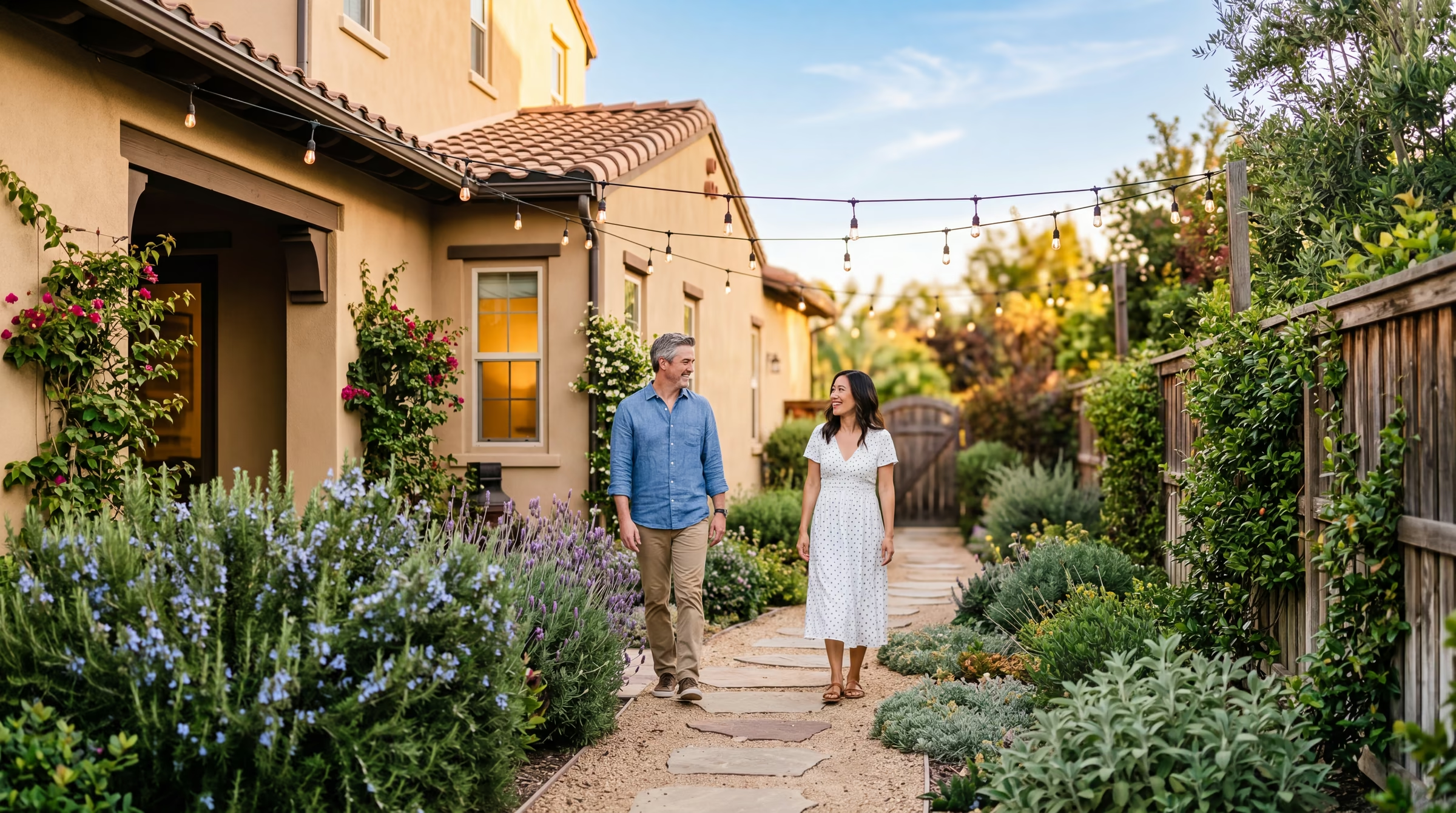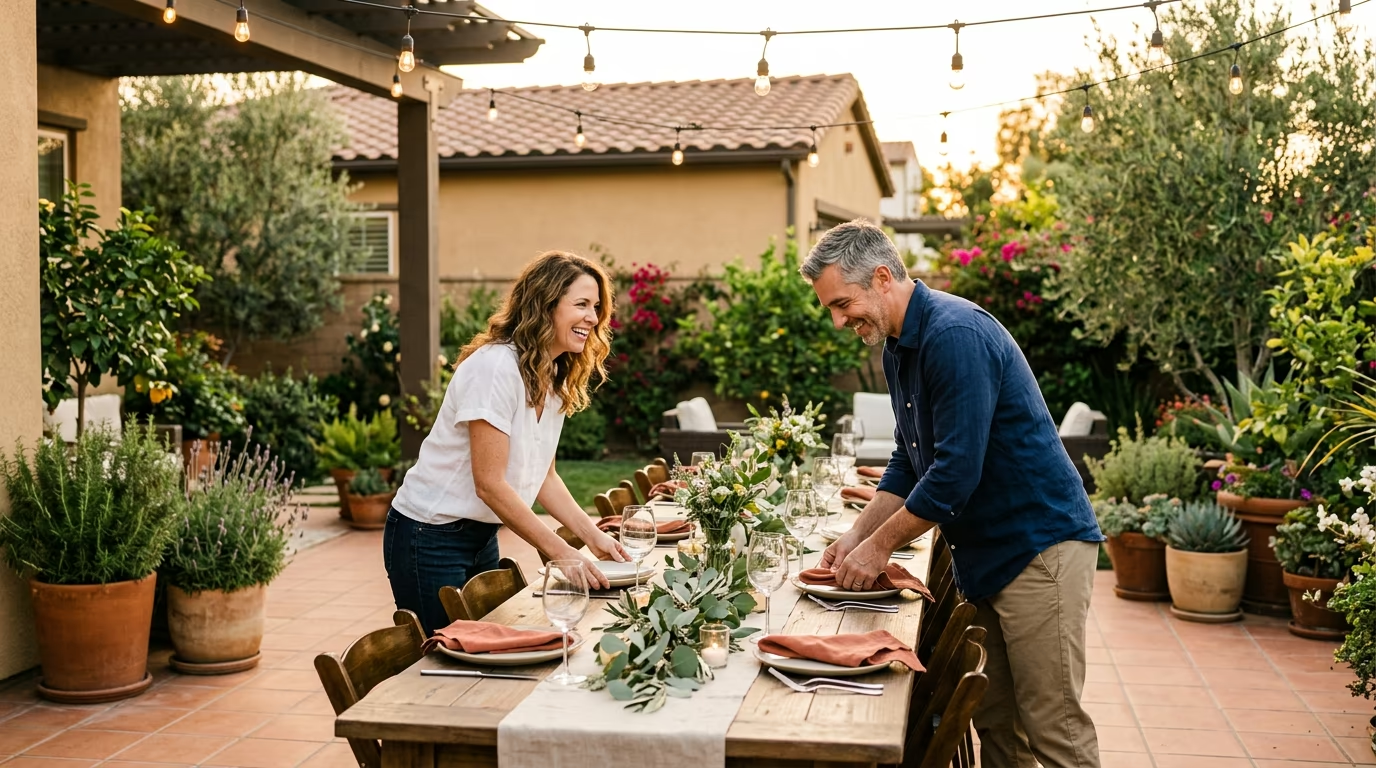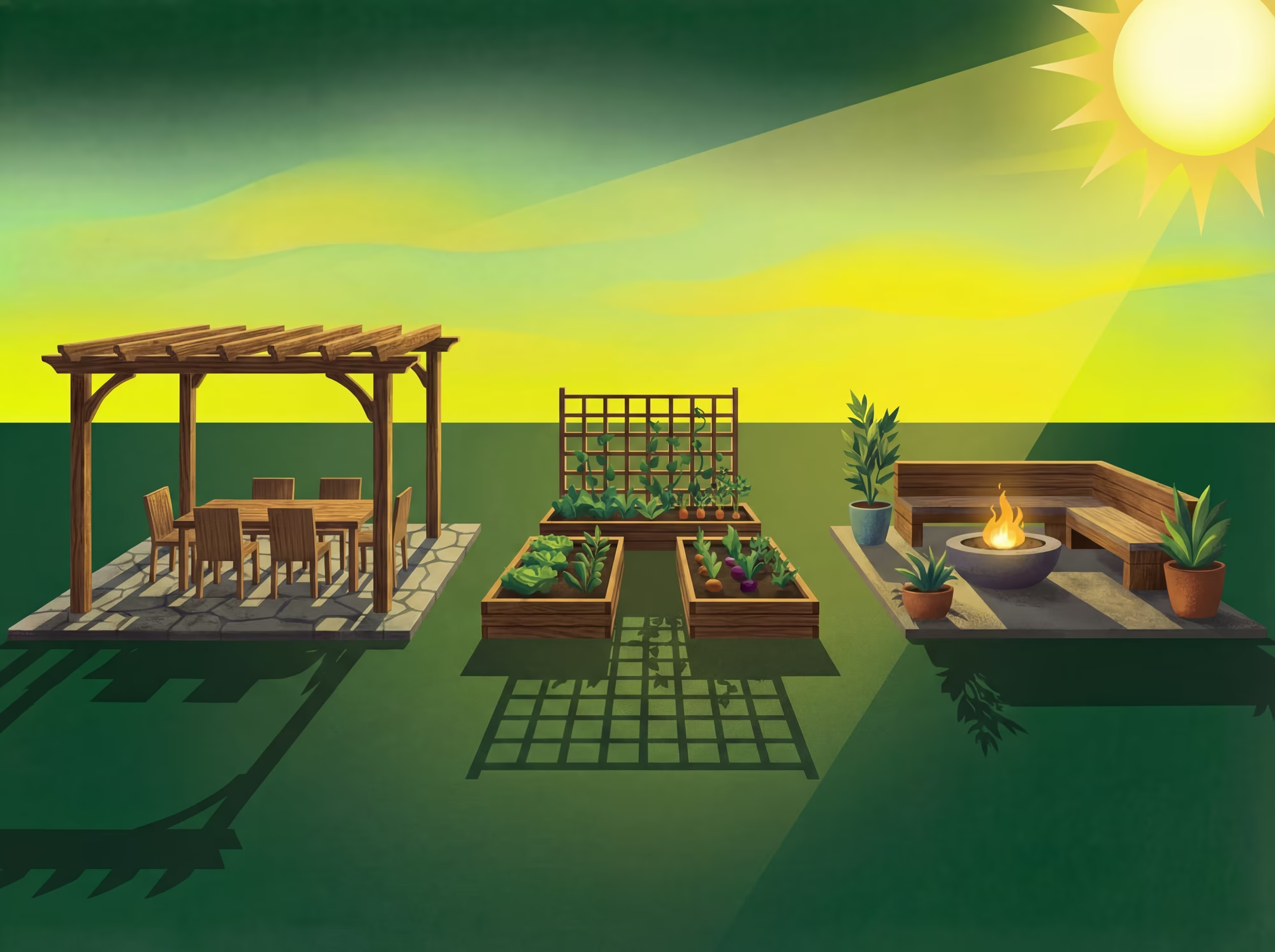
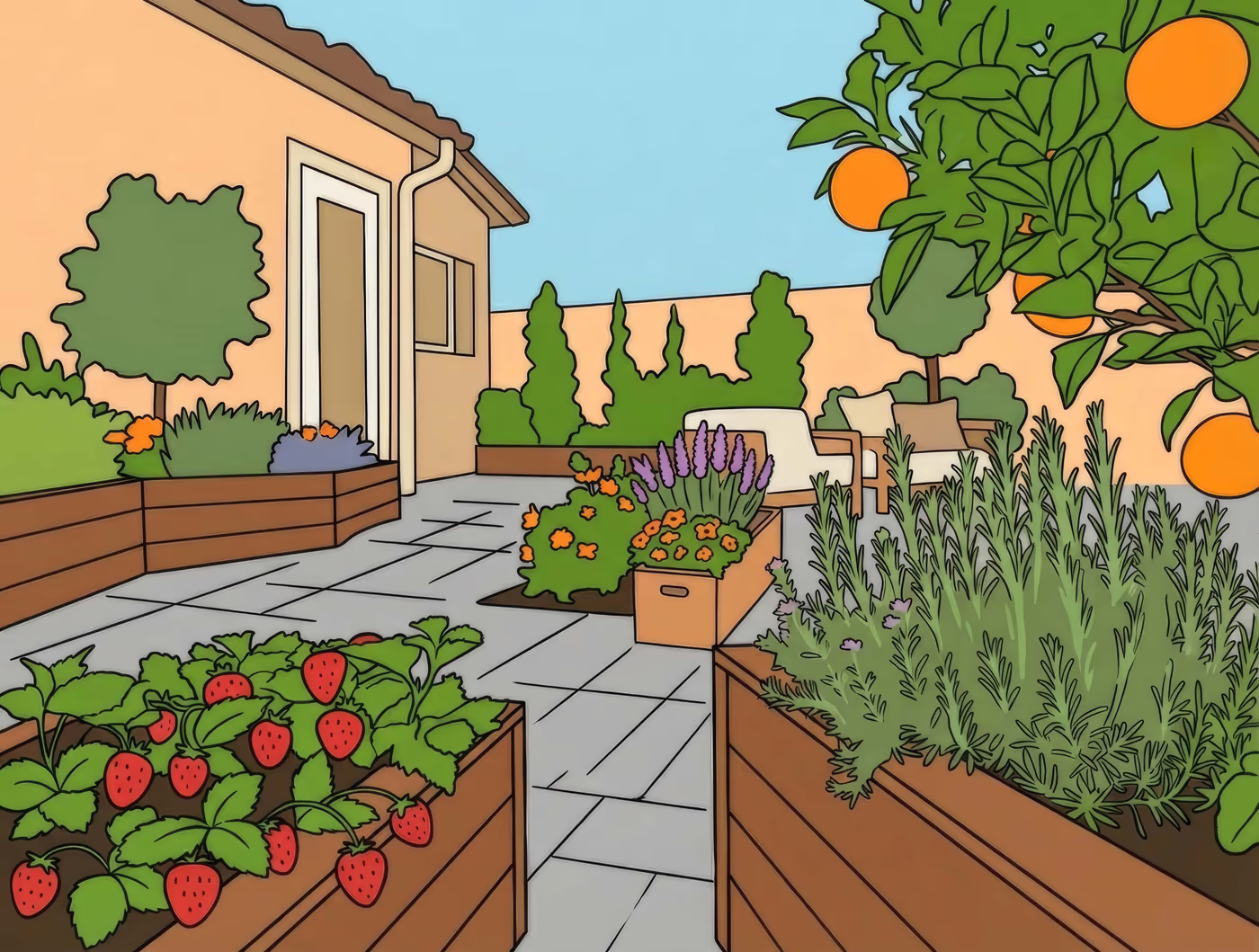
Close your eyes for a moment and picture your backyard. Now imagine stepping outside to snip fresh rosemary for tonight's dinner, plucking a ripe fig from a tree that doubles as a privacy screen, or watching your kids discover strawberries hiding beneath ornamental leaves. That vision is your Yardtopia complete with edible landscaping: the practice of weaving food-producing plants into your outdoor space so that your yard feeds your family, welcomes your guests, and looks stunning all year long.
KEY TAKEAWAYS
- Edible landscaping replaces traditional lawn and ornamental plants with food-producing varieties that look just as beautiful, creating an outdoor living space that nourishes your family and reduces water use in Southern California's Mediterranean climate.
- The best edible landscaping plants for Orange County homeowners include Mediterranean herbs (rosemary, sage, thyme, lavender), citrus trees, pomegranates, fig trees, and drought-tolerant vegetables that thrive with minimal irrigation.
- You can start small with a single herb border or container garden and expand over time, often replacing an existing lawn section for as little as a few hundred dollars (with IRWD rebates covering a significant portion of the cost).
"Regeneration is at the heart of sustainability. Every landscape needs to be a habitat for native fauna and flora. Birds, bees, butterflies... You build up the soil and create a dynamic setting for life that keeps giving."
Farah Saquib, Partner, Urban Ecology Studio
Too many homeowners assume they need to choose between a beautiful landscape and a productive garden. Edible landscaping rejects that tradeoff entirely. When designed well, an edible landscape in Southern California can use less water than a traditional lawn, require less maintenance than a purely ornamental garden, and produce fresh herbs, fruits, and vegetables from January through December. The mild winters and warm, sunny growing season in Orange County make this region one of the best places in the country to blend beauty and bounty. This guide walks you through the principles of edible landscaping design, the best plants for our Mediterranean climate, layout strategies for every budget and yard size, and practical tips for getting started. Whether you're replacing a tired patch of turf or reimagining your entire outdoor space, you'll find ideas here that turn your backyard into a place you want to spend time in, a space that gives back every time you step outside.
What Is Edible Landscaping and Why Does It Work So Well Here?
Edible landscaping is a design approach that integrates food-producing plants into your yard's visual framework. Rather than relegating vegetables to a hidden garden bed or confining herbs to a windowsill planter, edible landscaping treats culinary plants as first-class design elements: shade trees that happen to produce citrus, border hedges made of blueberry bushes, ground covers you can eat, and flower beds packed with herbs that smell as good as they taste. Southern California's climate is the secret ingredient that makes edible landscaping especially rewarding here. Our growing conditions closely mirror the Mediterranean basin, the birthplace of rosemary, thyme, sage, lavender, figs, pomegranates, olives, and dozens of other plants that are both ornamental and edible. These plants evolved in warm, dry summers and mild, wet winters, which means they thrive in Orange County with far less water than a traditional lawn demands.
GOOD TO KNOW
A typical Southern California lawn consumes roughly 44 gallons of water per square foot annually. Mediterranean edible plants like rosemary, sage, and citrus trees require a fraction of that once established, making edible landscaping one of the most water-efficient approaches to yard design in our region.
The practical benefits go beyond water savings. An edible landscape reduces grocery trips for fresh produce, eliminates the weekly mowing cycle, creates habitat for pollinators that keep your garden healthy, and adds a layer of function to every square foot of your outdoor space. For families, it becomes a living classroom where children learn where food comes from. For entertainers, it provides farm-to-table ingredients that elevate every gathering. For anyone tired of maintaining a lawn that gives nothing back, it offers a smarter alternative.
What Are the Best Plants for Edible Landscaping in Southern California?
Choosing the right plants is the foundation of a successful edible landscape. The goal is to select varieties that serve double duty: they look beautiful in your yard while producing food you actually want to eat. In Southern California, the plant palette is remarkably generous because our climate supports tropical, Mediterranean, and temperate species that would fail in most other parts of the country.
Mediterranean Herbs: The Foundation of Every Edible Landscape
Herbs are the easiest entry point into edible landscaping because they require minimal space, tolerate drought once established, and provide immediate culinary payoff. These Mediterranean natives feel right at home in Orange County:
| Plant | Water Needs | Sun | Best Season | Culinary Use |
|---|---|---|---|---|
| Rosemary | Low (drought-hardy) | Full sun | Year-round | Turkey rubs, roasted vegetables, infused oils |
| Sage | Low | Full sun | Year-round | Stuffing, pasta, fried sage garnishes |
| Thyme | Low | Full sun | Year-round | Gravies, roasted meats, soups |
| Lavender | Very low | Full sun | Spring--Fall | Baked goods, cocktails, sachets |
| Oregano | Low | Full sun | Year-round | Italian and Mexican dishes |
| Chives | Moderate | Sun to part shade | Year-round | Potatoes, eggs, appetizers |
| Basil | Moderate | Full sun | Spring--Fall | Pesto, salads, Thai cuisine |
PRO TIP
Group herbs by water needs rather than by culinary use. Rosemary, sage, thyme, lavender, and oregano share similar low-water requirements and thrive together in a sunny, well-drained bed. Chives and basil prefer slightly more moisture and should be planted in a separate zone or in containers where you can control watering independently.
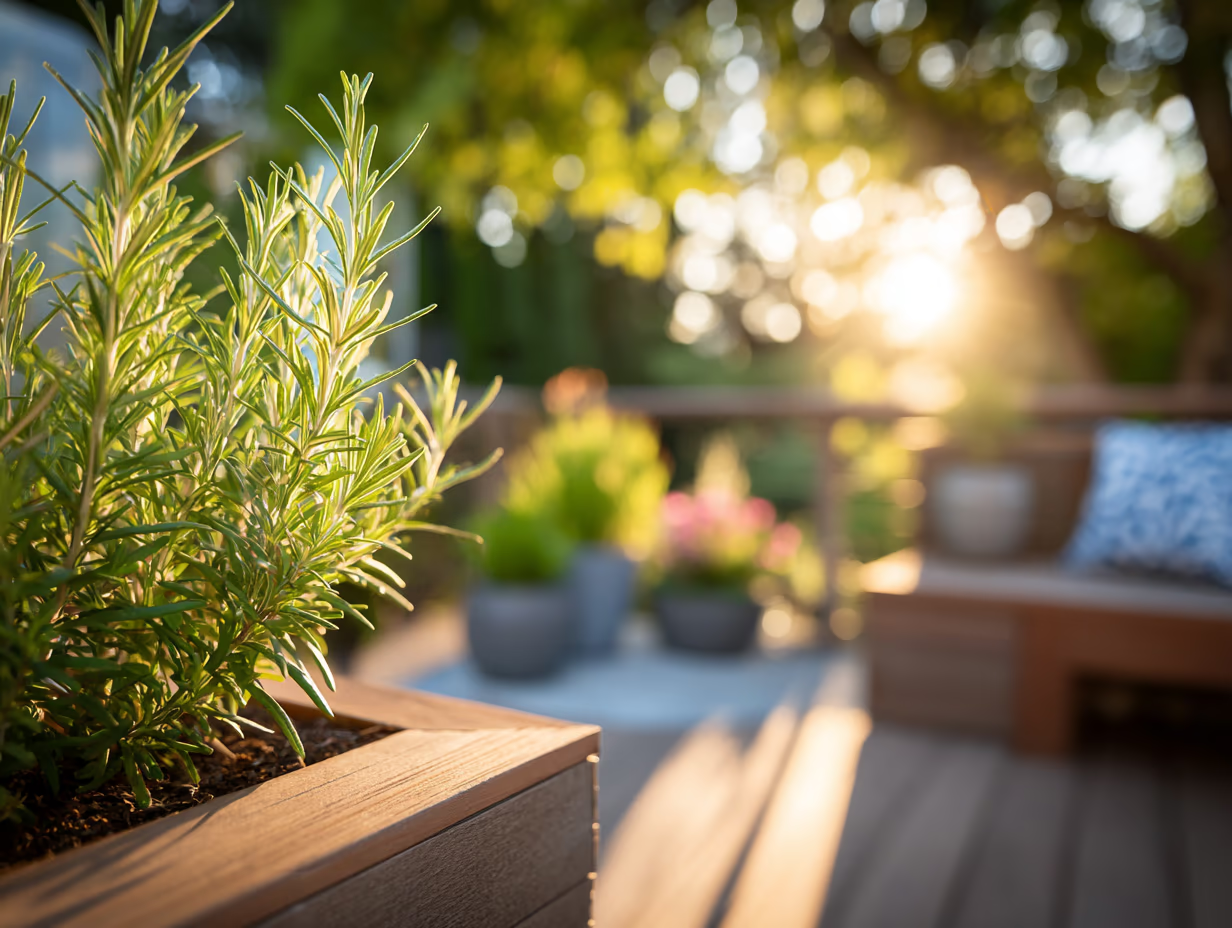
Rosemary deserves special attention as an edible landscaping workhorse. Its upright varieties grow into dense, fragrant hedges that serve as borders or privacy screens, while trailing forms cascade over walls, raised beds, and containers. The needle-like foliage stays green year-round, tiny blue flowers attract pollinators in spring, and a single established plant can provide more rosemary than most families use in a year. Plant it in full sun with well-draining soil, water deeply but infrequently once established, and prune lightly after flowering to maintain shape. Sage offers similar resilience with a different visual texture. Its broad, silvery-green leaves create a beautiful contrast against darker foliage plants, and the earthy aroma becomes the star of holiday meals: think Thanksgiving stuffing, Christmas turkey rubs, and crispy fried sage garnishes scattered over butternut squash pasta. Harvest outer leaves first and prune regularly to encourage bushy growth and prevent the woody, leggy stems that untended sage develops.
Fruit Trees: Shade, Structure, and Fresh Produce
Fruit trees anchor an edible landscape the way mature oaks and maples anchor a traditional one, providing vertical structure, seasonal interest, and shade that cools outdoor living areas. The difference is that these trees pay you back in produce every year. Citrus trees are the signature choice for Southern California edible landscapes. Meyer lemons, Valencia oranges, kumquats, and Mexican limes all produce prolifically in Orange County with moderate water once established. A single mature Meyer lemon tree can yield 100 or more pounds of fruit annually while providing glossy evergreen foliage, fragrant spring blossoms, and enough shade to shelter a small patio seating area. Fig trees bring a lush, almost tropical texture to the landscape with their broad, deeply lobed leaves. Brown Turkey and Black Mission varieties perform exceptionally well in our climate, producing two harvests per season (a smaller spring crop and a larger late-summer crop). Figs are remarkably drought-tolerant once their root systems mature and make excellent specimen trees. You can also try the espalier technique of training trees to grow flat against a fence or over a seating area. Pomegranate trees offer year-round visual interest: bright orange-red flowers in spring, glossy summer foliage, jewel-toned fruit in fall, and architectural bare branches in winter. They rank among the most drought-tolerant fruit trees available and handle the alkaline soils common in many Orange County neighborhoods without complaint.
EXPERT TIP
Apply the "thriller, filler, spiller" principle used in container design to your edible beds. A tall artichoke or fig tree serves as the thriller (focal point), mid-height herbs like sage and basil fill the middle, and trailing strawberries or nasturtiums spill over the front edge. This layered approach creates depth and visual richness that rivals any ornamental garden.
Edible Ground Covers, Vines, and Border Plants
Fill the spaces between trees and structural plantings with edible ground covers and border plants that complete the design while adding another layer of harvest: Strawberries: Compact, spreading plants that serve as a living ground cover with white spring flowers and bright red fruit. 'Albion' and 'Seascape' are everbearing varieties that produce fruit from spring through fall in our climate. Nasturtiums: Edible flowers and leaves with a peppery flavor that brightens salads. Their trailing habit makes them ideal for filling gaps, spilling over edges, and attracting beneficial insects. Passion fruit vines: Vigorous climbers that cover fences, pergolas, and trellises with lush tropical foliage and exotic flowers, followed by tangy-sweet fruit. Artichokes: Dramatic architectural plants with silvery foliage that rival any ornamental thistle. They produce edible globes in spring and can reach 4 feet tall and wide, making them excellent focal points or back-of-border specimens. Peppers and eggplant: Compact, colorful plants that work beautifully in mixed borders. Ornamental pepper varieties offer fiery reds and purples that are fully edible.
How Do You Design an Edible Landscape That Looks Professional?
The key to edible landscaping that looks intentional rather than haphazard is applying the same design principles you would use for any landscape plan. Structure, repetition, color balance, and layered heights matter just as much when the plants happen to be edible.
Start with Structure, Then Fill with Flavor
Every strong landscape design begins with structural elements: trees for canopy and vertical interest, hardscape for pathways and gathering areas, and evergreen plants for year-round backbone. In an edible landscape, fruit trees serve as your canopy layer, herb hedges and borders define spaces, and evergreen edibles like rosemary and citrus maintain visual interest through every season. Once your structural framework is in place, fill the gaps with seasonal edibles: cool-season vegetables like lettuce, kale, and Swiss chard in fall and winter; warm-season producers like tomatoes, peppers, and squash in spring and summer. These rotating crops add color, texture, and seasonal variety while the permanent plantings hold the design together.
"Start by determining what it is you are looking for. Remember to create focal points in your design to draw the eyes and achieve a look that is going to capture everything. Shoot for a tiered effect, staging smaller plants along the front, and taller plants farther back."
Victor Zamora, Landscape Contracts Administrator, IRWD
Design Layouts for Every Yard Size
Small yards and patios: Focus on containers and vertical growing. A collection of terracotta pots planted with herbs, a dwarf citrus tree in a large planter, and a trellis-mounted passion fruit vine can transform a 100-square-foot patio into a productive edible garden. Terracotta works especially well because it allows excess moisture to evaporate, preventing the root rot that plagues herbs in plastic containers. Medium yards: Replace one section of lawn at a time. Start with a 10x12-foot raised bed along a sunny fence line, plant two or three fruit trees to anchor the back of the yard, and border your main pathway with a low rosemary hedge. This phased approach keeps the project manageable and allows you to learn what grows best in your specific microclimate before committing the entire yard. Large yards: Create distinct zones that mirror the rooms of your house. Designate a "kitchen garden" zone near the back door for herbs and salad greens you reach for daily. Place fruit trees to create a shaded "dining room" zone for outdoor meals. Use a dedicated production zone in the sunniest corner for seasonal vegetables. Connect the zones with gravel or decomposed granite pathways that eliminate lawn while maintaining a polished, intentional look.
How Does Edible Landscaping Save Water in Southern California?
One of the most compelling reasons to explore edible landscaping ideas in Orange County is water efficiency. Traditional turf grass is the single largest consumer of residential water in Southern California, and replacing even a portion of it with edible plants can deliver meaningful savings while producing food you would otherwise buy at the grocery store. Mediterranean edible plants are adapted to survive on rainfall alone in their native habitat, which receives roughly the same annual precipitation as coastal Southern California. Once established (typically after one to two seasons of regular watering), rosemary, sage, thyme, lavender, pomegranates, and figs need only occasional deep watering during extended dry periods. Citrus trees require moderate, consistent irrigation but still use substantially less water per square foot than maintained turf.
GOOD TO KNOW
Irvine Ranch Water District offers rebates for homeowners who replace turf with water-efficient landscaping. Edible plants that meet drought-tolerant criteria can qualify for these programs, effectively subsidizing your landscape transformation. Visit Yardtopia.com to explore current rebate options, eligibility requirements, and inspiration galleries showing what other homeowners have accomplished.
A well-designed drip irrigation system is the backbone of a water-wise edible landscape. Drip delivers water directly to the root zone of each plant, eliminating the overspray, evaporation, and runoff that plague traditional sprinkler systems. Group plants with similar water needs into hydrozones: low-water herbs and drought-tolerant fruit trees in one zone, moderate-water citrus and seasonal vegetables in another. This approach ensures every drop goes where it's needed. Mulching completes the water-efficiency equation. A 2--3 inch layer of organic mulch (wood chips, straw, or composted bark) around your edible plants suppresses weeds, regulates soil temperature, and reduces evaporation by up to 70 percent. Keep mulch a few inches away from tree trunks and plant stems to prevent moisture-related disease.
What Is the Easiest Way to Start an Edible Landscape?
The most common mistake new edible landscapers make is trying to do everything at once. A full yard transformation is exciting to envision, but starting with a single focused project builds confidence, teaches you what grows well in your specific conditions, and delivers a quick win that fuels your momentum for the next phase.
The Weekend Starter Project: An Herb Border
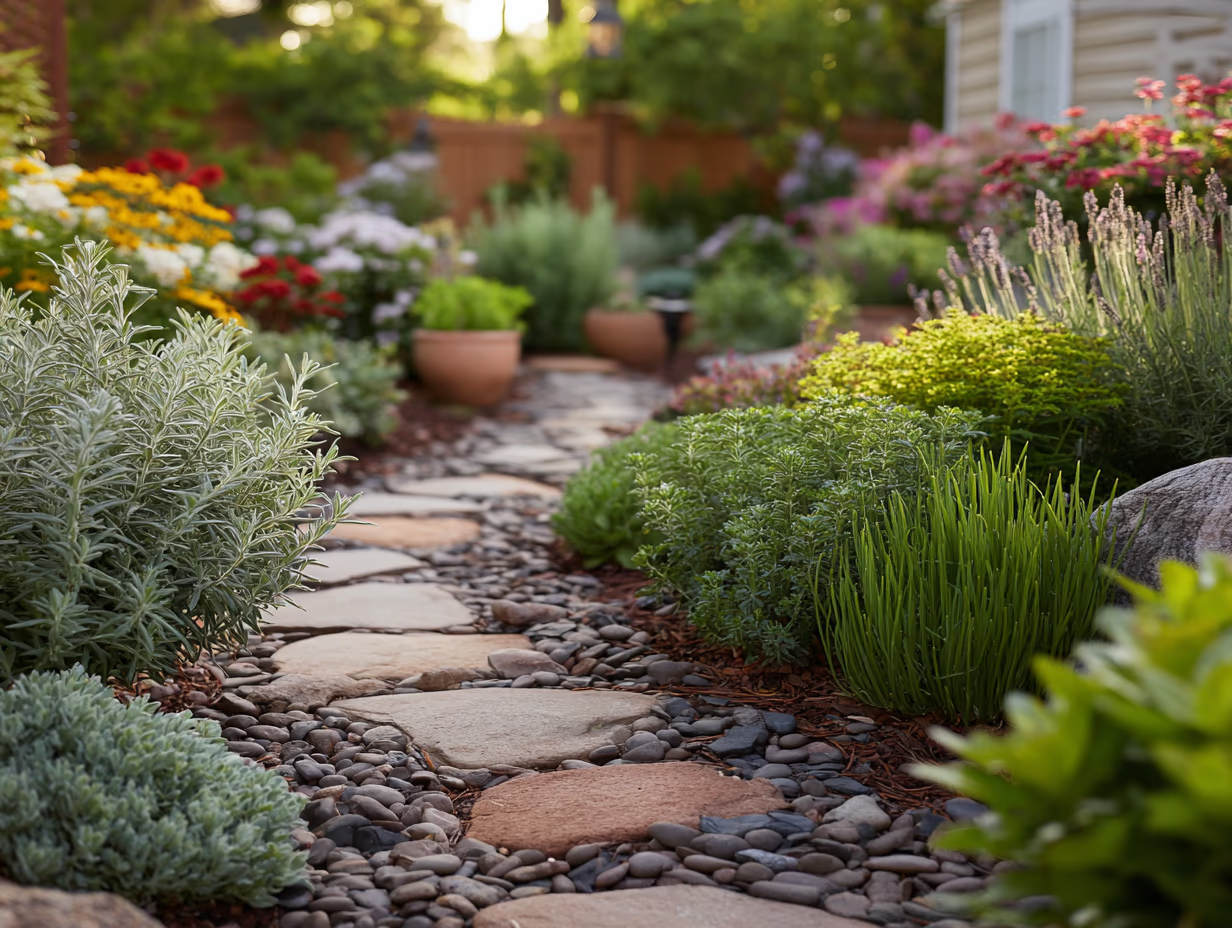
The fastest path from bare yard to productive edible landscape is a simple herb border along an existing walkway, patio edge, or fence line. This project requires minimal investment, can be completed in a single weekend, and puts fresh cooking herbs within arm's reach of your kitchen.
PRO TIP
"Start small and expand gradually. Pick a location with at least six hours of full sun every day. Prepare the soil for drainage and nutrients. Establish a method to deliver water to the soil, not plant leaves. Pick plants that are sized appropriately and right for the season." — Shelly Trainor, Master Gardener Speaker, University of California Cooperative Extension
Choose a sunny spot that receives at least 6 hours of direct sunlight daily. Prepare the soil by loosening it 8--10 inches deep and mixing in a light layer of organic compost for drainage. Select 5--7 herb plants from your local nursery (rosemary, sage, thyme, oregano, and chives make an excellent starter combination). Space plants 12--18 inches apart, water thoroughly at planting, and apply a thin mulch layer to retain moisture. Water deeply twice per week for the first month, then gradually reduce to once per week as plants establish.
WARNING
Avoid planting mint directly in garden beds. Mint spreads aggressively through underground runners and can overtake neighboring plants within a single growing season. Grow it in a dedicated container instead, where you can enjoy the harvest without managing an invasion.
Phase Two: Add a Fruit Tree or Two
Once your herb border is thriving, the natural next step is adding one or two fruit trees. A single dwarf Meyer lemon in a sunny corner of the yard can produce fruit within its first year if you buy a nursery-grown tree that's already a few years old. Pair it with a pomegranate or fig tree for variety, and you've established the structural anchors of an edible landscape that will produce for decades.
Phase Three: Replace Lawn Sections
With herbs and fruit trees in place, you can begin replacing lawn sections with productive raised beds, edible ground covers, or mixed borders. This is where the design principles from the previous section come into play. Plan your layout on paper first, identify your hydrozones, and convert one section at a time so the project stays manageable. Your Yardtopia is not a project you rush. It's a space that evolves with your confidence, your taste, and the seasons. Each phase builds on the last, and before long, the lawn that used to demand your weekends is a landscape that feeds your table, frames your gatherings, and gives you a reason to step outside every morning.
What Should You Plant and When in Orange County?
Southern California's year-round growing season is one of the greatest advantages of edible landscaping here. While gardeners in colder climates pack up their tools by October, Orange County homeowners can plant and harvest something in every month of the year. The key is matching the right plants to the right season.
| Season | What to Plant | What to Harvest |
|---|---|---|
| Fall (Sep--Nov) | Lettuce, kale, Swiss chard, peas, broccoli, cauliflower, garlic, onion sets, herb transplants | Late tomatoes, peppers, figs (second crop), basil, eggplant |
| Winter (Dec--Feb) | Root vegetables (carrots, beets, radishes), more leafy greens, fava beans, strawberry transplants | Citrus (peak season), leafy greens, herbs (year-round), broccoli, cauliflower |
| Spring (Mar--May) | Tomatoes, peppers, squash, cucumbers, beans, melons, basil, passion fruit vines | Strawberries, artichokes, peas, spring herbs, early citrus varieties |
| Summer (Jun--Aug) | Heat-tolerant herbs (basil, mint), sweet potatoes, Armenian cucumbers, okra | Tomatoes, peppers, stone fruit, figs (first crop), melons, passion fruit |
This year-round productivity is what separates edible landscaping in Southern California from almost anywhere else in the country. As one season's crops wind down, the next season's plants are already filling the gaps. The result is a landscape that always has something growing, something blooming, and something ready to pick.
EXPERT TIP
Fall is the single best season to plant most permanent edible landscape elements in Orange County. Trees, shrubs, and perennial herbs planted in September through November benefit from cooler temperatures and winter rains to develop strong root systems before the heat of summer arrives. This head start reduces transplant stress and cuts your irrigation needs during the critical first year.
Frequently Asked Questions About Edible Landscaping
How much does it cost to create an edible landscape?
Costs vary widely depending on scope. A simple herb border costs roughly $50--$150 in plants and soil amendments. Adding two to three fruit trees runs $100--$500 depending on tree size. A full front-or-back-yard edible landscape redesign with professional installation can range from $5,000 to $20,000 or more, though IRWD rebate programs can offset a meaningful portion of that investment. Many homeowners choose a phased approach, investing a few hundred dollars at a time as each section takes shape.
Can an edible landscape look as good as a traditional landscape?
Absolutely. Many edible plants are naturally ornamental: citrus trees produce fragrant flowers and glossy foliage, artichokes rival any ornamental thistle, and herbs like lavender and rosemary are already mainstays of high-end landscape design. The key is treating edible plants as design elements first and food sources second, applying the same principles of color, texture, height, and seasonal interest that make any landscape beautiful.
Do I need to remove my entire lawn to start edible landscaping?
Not at all. Most successful edible landscapes start with a single converted section, often a sunny border or an underperforming patch of turf. You can keep lawn in areas where you want open play space or gathering room and transition other zones to edible plantings over time. A phased approach is easier on your budget, your schedule, and your learning curve.
What edible plants are safe for yards with kids and pets?
The herbs and fruit trees recommended in this guide are all safe for households with children and pets. Rosemary, sage, thyme, basil, citrus, figs, strawberries, and most culinary vegetables pose no toxicity concerns. Avoid ornamental-edible crossover plants like nightshade relatives with inedible parts (tomato and pepper leaves are mildly toxic if ingested in large quantities, though the fruit is perfectly safe). When in doubt, the ASPCA maintains a comprehensive database of plant toxicity for pets.
How much sun do edible landscape plants need?
Most fruit trees and warm-season vegetables require at least 6--8 hours of direct sunlight daily. Herbs generally perform best in full sun but tolerate light afternoon shade during our hottest months. Leafy greens (lettuce, kale, spinach) actually prefer partial shade in Southern California, making them ideal for planting beneath the canopy of fruit trees or on the north side of structures.
Will edible landscaping attract pests?
Any garden, edible or ornamental, can attract pests. The advantage of a diverse edible landscape is that it also attracts beneficial insects, birds, and pollinators that keep pest populations in check naturally. Companion planting (pairing herbs with vegetables, for example) and maintaining healthy soil are the most effective long-term pest management strategies. Avoid broad-spectrum pesticides that kill beneficial insects along with pests.
Can I use IRWD rebates for edible landscaping projects?
IRWD offers rebates for qualified turf replacement and water-efficient landscaping projects. Many edible plants that meet drought-tolerant criteria can qualify as part of a larger landscape transformation. Requirements vary by program, so visit Yardtopia.com for current rebate details, eligibility guidelines, and step-by-step application instructions.
The Bottom Line
Edible landscaping is one of the smartest investments an Orange County homeowner can make: it reduces water use, lowers grocery costs, eliminates lawn maintenance, and transforms your backyard into a living, producing extension of your home. Start with a single herb border this weekend. Add a fruit tree or two next month. Replace a lawn section next season. Each phase makes your outdoor space more beautiful, more productive, and more worth stepping into. Explore edible landscaping ideas, design tools, and current rebate information at Yardtopia.com. Your Yardtopia is waiting just outside your door.