The right combination of fire resistant plants, strategic spacing, and smart hardscape materials creates a landscape that works harder for you in every season. Fire resistant landscaping is not about stripping your outdoor space down to bare dirt and gravel.
KEY TAKEAWAYS
- Fire resistant landscaping combines strategic plant choices, defensible space zones, and non-combustible hardscaping to protect your Southern California home while keeping your yard beautiful and water-wise.
- California law requires 100 feet of defensible space around homes in fire-prone areas, divided into Zone 0 (0--5 feet), Zone 1 (5--30 feet), and Zone 2 (30--100 feet), each with specific vegetation management guidelines.
- Many fire resistant plants for California landscapes are also drought-tolerant natives, meaning your fire-safe yard can save water, lower maintenance, and look stunning year-round.
EXPERT TIP: Jonathan Lim, Senior Fire Inspector, Orange County Fire Authority
Firescaping focuses on using fire-resistant plants and design strategies that slow the spread of fire. In Orange County, native species like California lilac, manzanita and succulents are great options because they are low-water and naturally fire-smart.
Living in Southern California means embracing year-round sunshine, warm evenings, and the kind of outdoor lifestyle most people dream about. It also means living alongside the reality of wildfire season. When Santa Ana winds sweep through the canyons and dry vegetation covers the hillsides, the risk becomes personal, and fast. The reassuring news? Your Yardtopia can be part of the solution. It is about designing a yard that protects your home, supports your lifestyle, and actually looks better than a traditional lawn-and-shrub setup. This guide walks through everything you need to know about building a fire-safe yard in Orange County and across Southern California. From understanding California's defensible space zones to choosing fire resistant plants that thrive in our climate, you will find practical strategies rooted in the latest CAL FIRE guidelines and local expertise.
What Is Fire Resistant Landscaping and Why Does It Matter?
Fire resistant landscaping, sometimes called firewise landscaping or firescaping, is the practice of designing and maintaining outdoor spaces to reduce wildfire risk. Rather than relying on a single tactic, it blends three core strategies: choosing plants that resist ignition, creating defensible space zones around your home, and using non-combustible hardscape materials as firebreaks. The concept matters more in Southern California than almost anywhere else in the country. Our Mediterranean climate brings long, dry summers followed by fall months when hot, dry Santa Ana winds can push wildfires across thousands of acres in hours. Homes near wildland-urban interface (WUI) areas face the greatest risk, but embers can travel more than a mile ahead of a fire, which means properties well within suburban neighborhoods are not immune. Studies cited by CAL FIRE have consistently shown that homes with well-maintained defensible space are dramatically more likely to survive wildfires. During the 2003 Cedar Fire in San Diego County, which destroyed over 2,800 homes, roughly 90 percent of homes that survived had at least 30 feet of defensible space. That single statistic underscores why fire resistant landscape design is not just a good idea but a direct investment in your property's safety.
GOOD TO KNOW
No plant is truly fireproof. Fire resistant plants are those that retain high moisture content, produce minimal dead material, and resist ignition longer than flammable species. Proper maintenance is just as critical as plant selection. Even a fire resistant plant becomes a liability if it is dead, dry, or overgrown.
What Are California's Defensible Space Zones for Landscaping?
California law (Public Resources Code 4291) requires property owners in fire-prone areas to maintain 100 feet of defensible space around their homes. This buffer is divided into three distinct zones, each with progressively different vegetation management requirements. Understanding these zones is the foundation of any fire resistant landscape design.
Zone 0: The Ember-Resistant Zone (0--5 Feet from Structures)
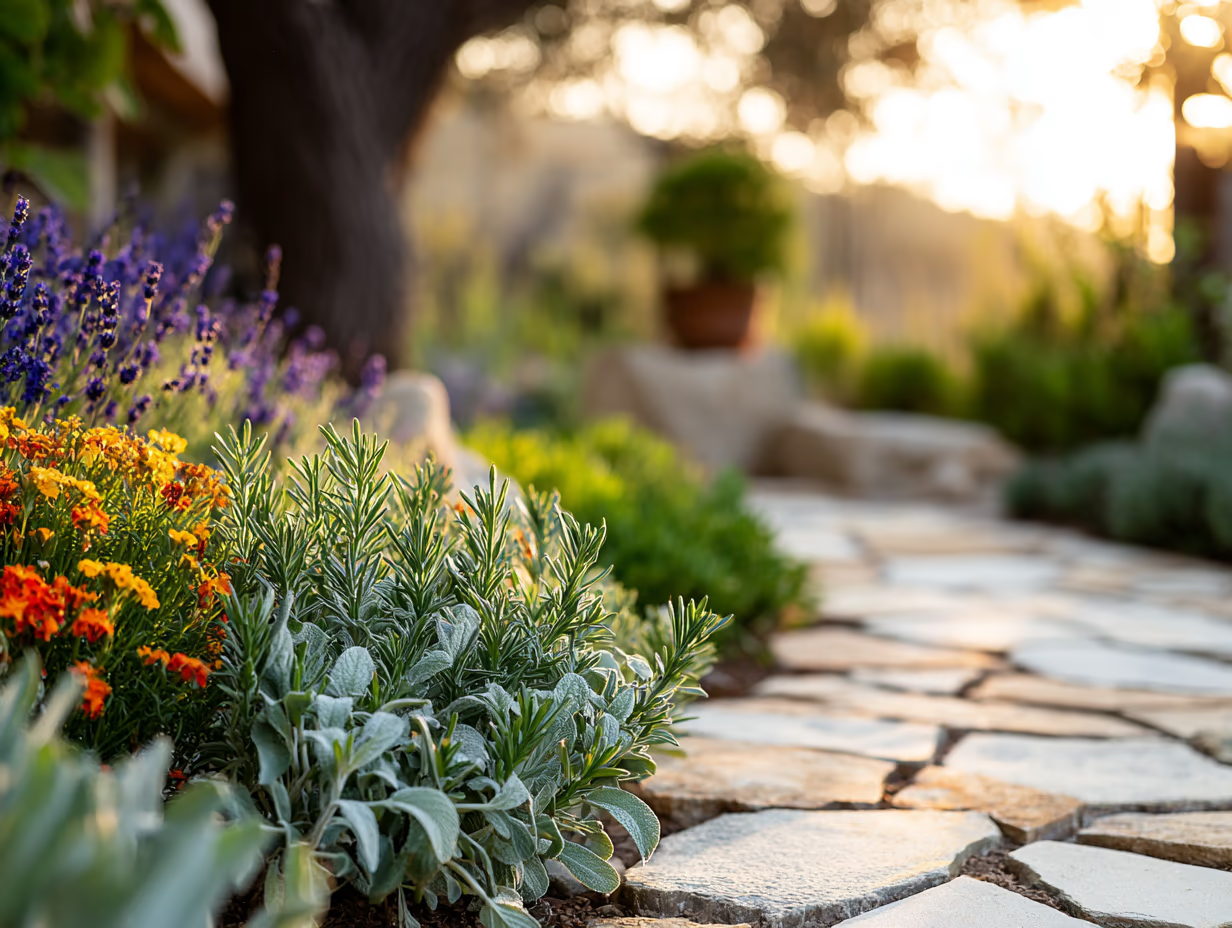
Zone 0 is the most critical area and the one most homeowners overlook. This narrow strip directly surrounding your home is where wind-blown embers are most likely to land and ignite combustible materials. Within these five feet, remove all vegetation, including living plants, shrubs, and ground covers. Replace wood mulch and bark chips with gravel, decomposed granite, concrete pavers, or stone. Clear any dead branches within 10 feet above the roof line and 10 feet horizontally from chimney outlets. Under Governor Newsom's Executive Order N-18-25, the Board of Forestry is completing formal rulemaking for Zone 0 requirements by the end of 2025.
PRO TIP
Another big risk is having combustible materials such as plants, mulch, patio furniture and fences too close to the home. — attributed to Jonathan Lim, Senior Fire Inspector, Orange County Fire Authority.
Zone 1: The Home Protection Zone (5--30 Feet)
Zone 1 is your primary landscaping zone and where fire resistant plant selection makes the biggest impact. The goal here is a well-irrigated, regularly maintained landscape of low-growing, high-moisture plants grouped into beds separated by hardscaped pathways. Remove all dead vegetation, dry leaves, and pine needles regularly. Keep plants pruned and spaced so fire cannot jump between them. Trim tree branches to a minimum of 10 feet from other trees and 10 feet from your roof. Relocate woodpiles, propane tanks, and flammable outdoor furniture beyond this zone.
Zone 2: The Reduced Fuel Zone (30--100 Feet)
Zone 2 extends the buffer by reducing overall vegetation density. Mow grass to a maximum height of four inches. Create horizontal and vertical spacing between shrubs and trees so fire cannot easily travel from one plant to the next. Remove dead plants, fallen branches, and accumulated leaf litter. Larger plants on steeper slopes require even wider spacing. On slopes with a 20 percent or greater grade, some agencies recommend extending Zone 1 to 50 feet.
WARNING
Local fire agencies in Southern California may enforce stricter standards than the state minimum. San Diego County, for example, requires 50 feet of clearance in Zone 1. In the City of Los Angeles, brush clearance must extend 200 feet. Always check with your local fire department or fire protection district for specific requirements in your area.
Which Fire Resistant Plants Thrive in Southern California?
Choosing fire resistant plants for your Yardtopia is one of the most rewarding parts of building a firewise landscape because many of the best options are also drought-tolerant California natives that save water and attract pollinators. Fire resistant plants share several characteristics: high moisture content in their leaves and stems, minimal accumulation of dead material, low volatile oil content, and open branching structures that do not easily carry flames. Here is a curated selection of fire resistant plants for California landscapes, organized by type, that perform well in Orange County and across Southern California.
"Hardwood, maple, poplar and cherry trees are less flammable than pine, fir and other conifers. Select fire-resistant shrubs such as sumac, currant and hedging roses or bush honeysuckle."
Juan Huerta, Senior Fire Prevention Specialist, Orange County Fire Authority
Fire Resistant Trees
Coast live oak (Quercus agrifolia) is one of the most effective fire resistant trees in Southern California. Its thick bark conducts heat poorly, and its dense canopy can intercept embers before they reach your home. California sycamore (Platanus racemosa), desert willow (Chilopsis linearis), and strawberry tree (Arbutus unedo) are also excellent choices. Avoid conifers, palms, and eucalyptus, as needles, fronds, and resinous oils make them highly flammable.
Fire Resistant Shrubs and Perennials
California lilac (Ceanothus), toyon (Heteromeles arbutifolia), lemonade berry (Rhus integrifolia), and California fuchsia (Epilobium canum) are all approved for fuel modification zones by Los Angeles, Orange, and San Diego county fire agencies. Lavender, rosemary, and sage retain moisture and produce aromatic oils that are far less volatile than the resins in pine or juniper. Royal beard tongue (Penstemon spectabilis), a native perennial with striking blue-purple flowers, is another firewise favorite that attracts hummingbirds.
Fire Resistant Ground Cover
Low-growing ground covers create natural firebreaks between taller plants and structures. Creeping myoporum (Myoporum parvifolium), silver carpet (Dymondia margaretae), and Hearst's ceanothus (Ceanothus hearstiorum) all stay close to the ground and maintain high moisture content. Succulents like aloe, agave, and ice plant are also excellent fire resistant ground cover options because they store water in their leaves and stems, making them slow to ignite.
How Does Hardscaping Strengthen Fire Resistant Landscape Design?
Hardscaping is the structural backbone of any fire resistant landscape design. Non-combustible materials like stone, concrete, decomposed granite, gravel, and metal create physical firebreaks that prevent flames from spreading across your property. These materials also double as beautiful design elements that reduce maintenance and conserve water.
Strategic Hardscape Placement
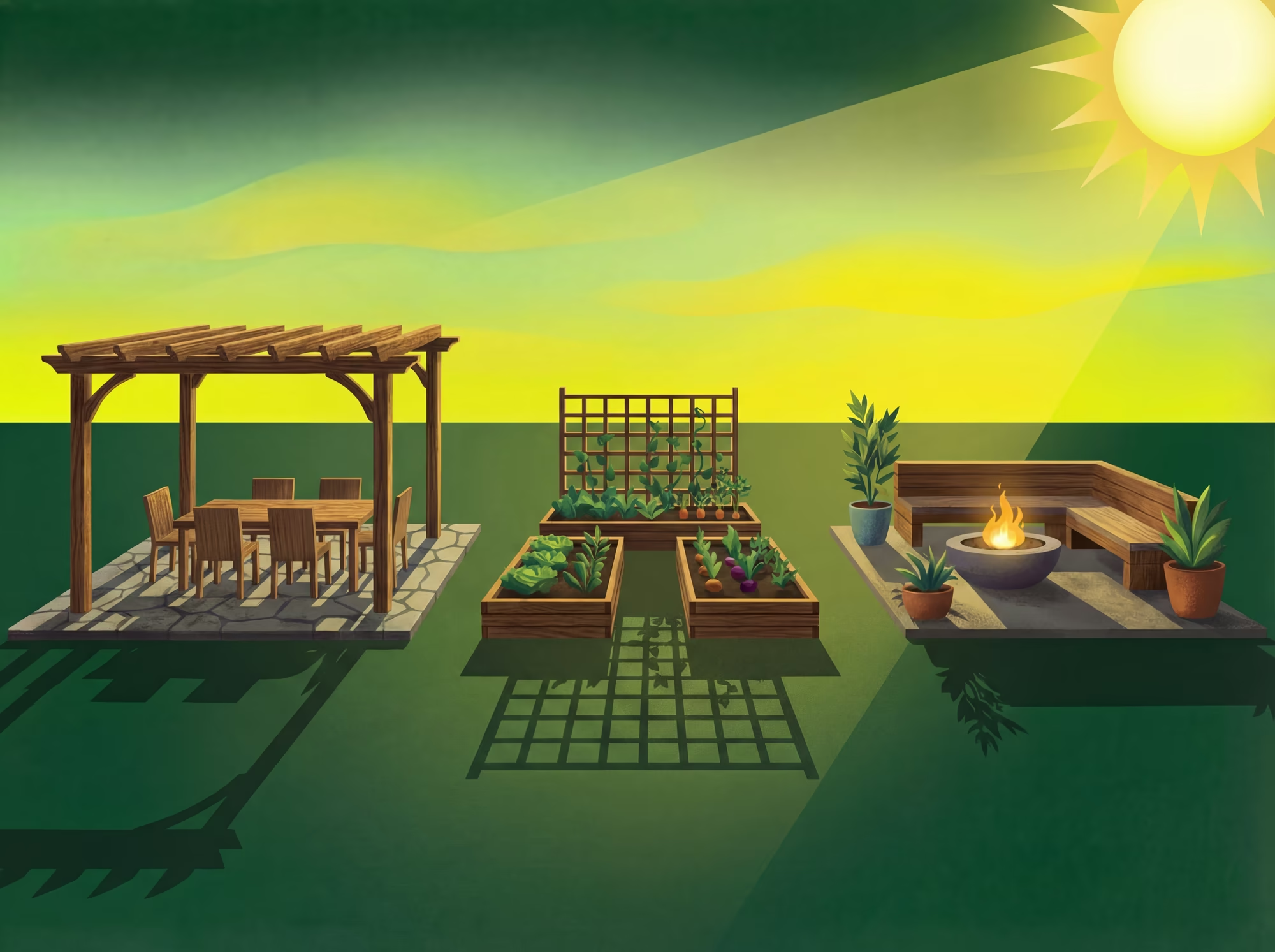
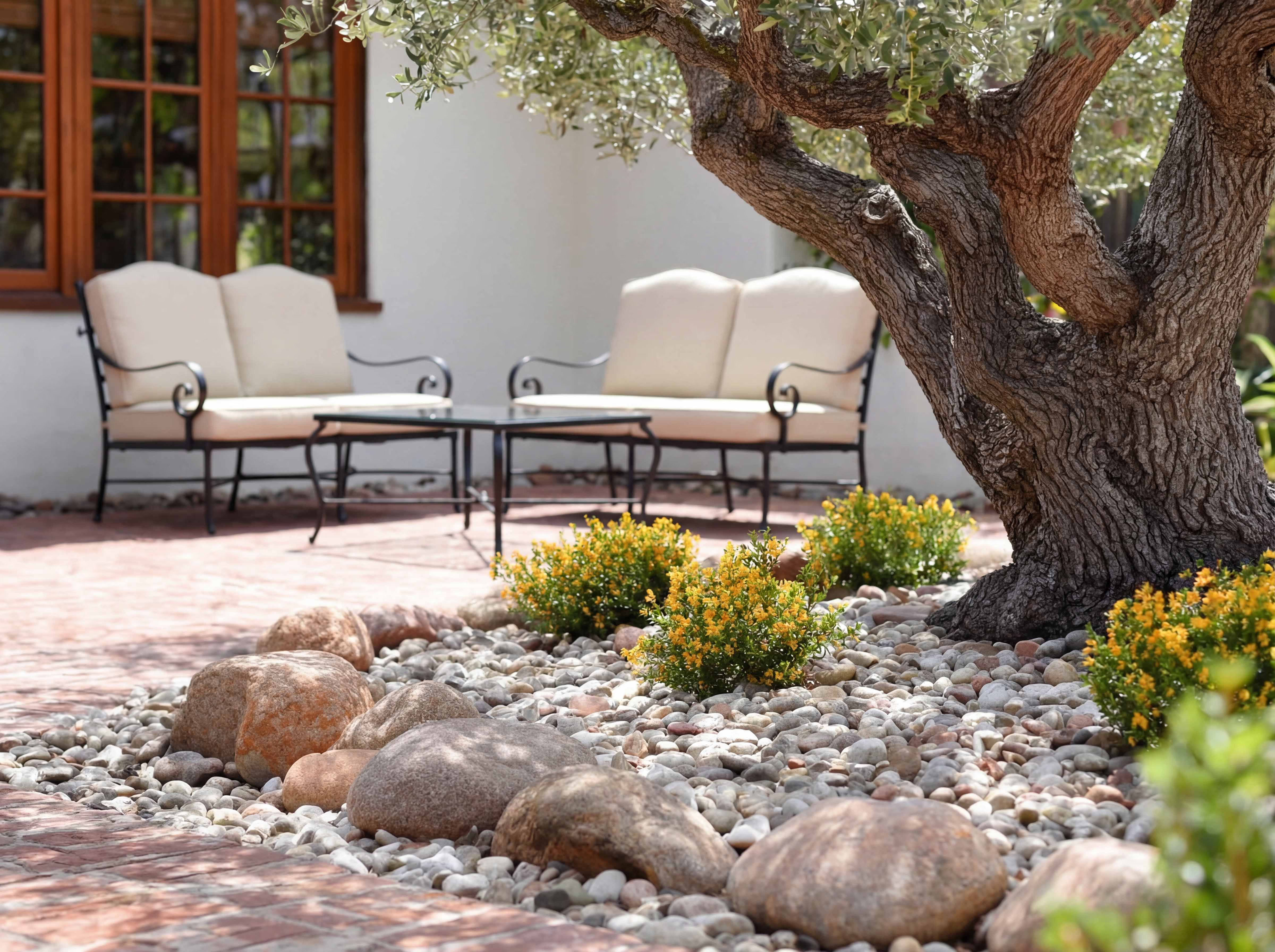
Within Zone 0, replace all organic ground materials with stone, pavers, or gravel. This creates an ember-resistant perimeter that starves flames of fuel at the most vulnerable point around your home. In Zone 1, use pathways, patios, and retaining walls to separate plant groupings and create deliberate gaps in vegetation. Driveways, walkways, and seating areas all serve as natural fuel breaks when built from non-combustible materials.
Fire Resistant Mulch Alternatives
Traditional wood mulch and bark chips are among the most common fire hazards in residential landscaping. When embers land on dry wood mulch, it ignites quickly and can spread flames to nearby plants and structures. Replace wood mulch in Zones 0 and 1 with fire resistant mulch alternatives: decomposed granite, gravel, river rock, or crusite (a recycite concrete aggregate). In Zone 2, if you prefer organic mulch for plant health, use composted wood chips at a depth of no more than three inches and keep them well-watered during fire season.
GOOD TO KNOW
The same hardscaping materials that protect against fire also dramatically reduce water use. A gravel pathway or decomposed granite patio requires zero irrigation and lasts for years with minimal upkeep. Browse design ideas at Yardtopia.com to see how Southern California homeowners are blending fire safety with stunning outdoor aesthetics.
Can Smart Irrigation Improve Your Fire Resistant Landscaping?
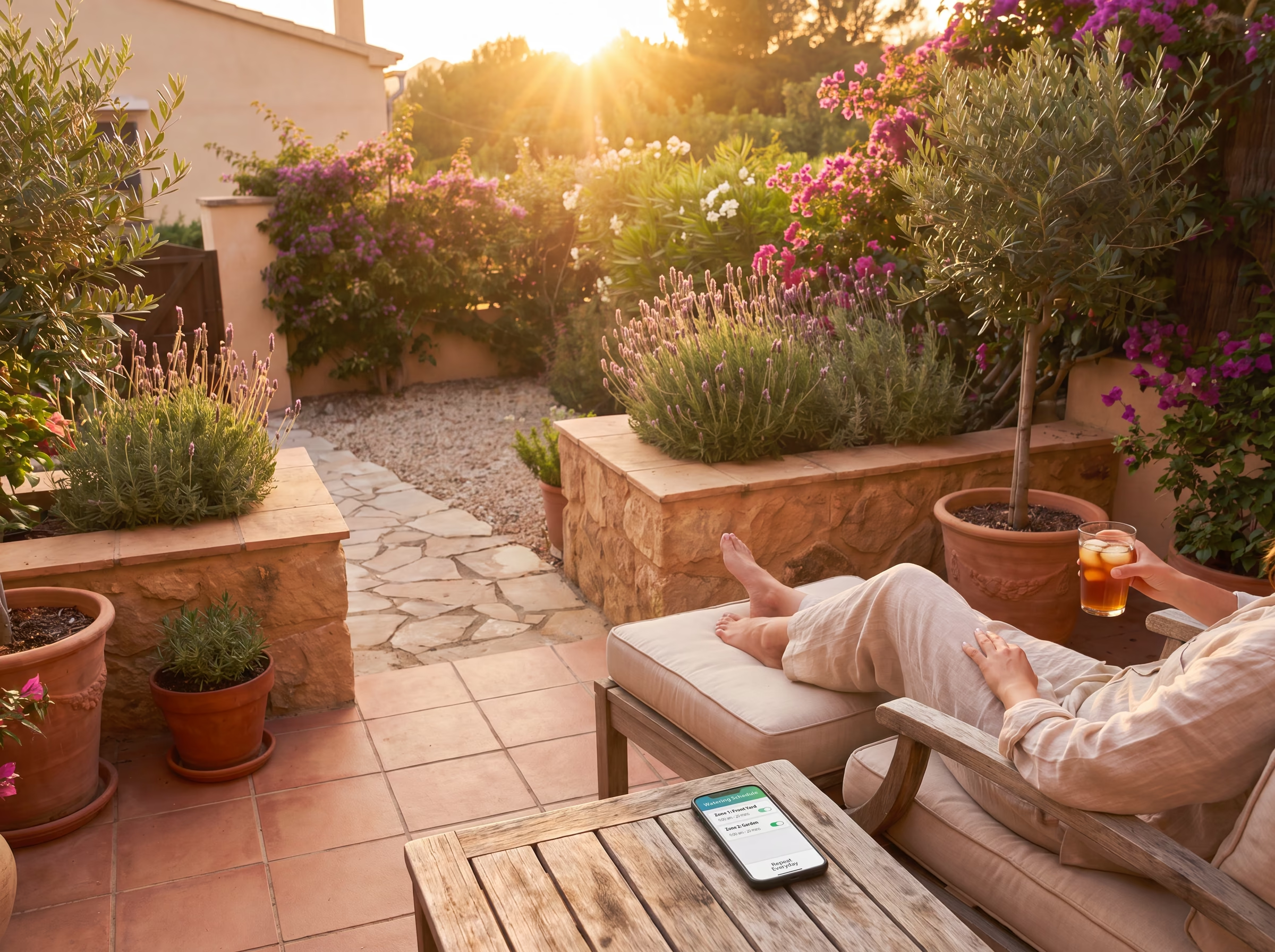
A well-irrigated landscape in your Yardtopia is one of your strongest defenses against wildfire, and it does not have to mean wasting water. Drip irrigation and soaker hose systems deliver water directly to plant root zones, keeping fire resistant plants hydrated without the runoff and evaporation that overhead sprinklers produce. This targeted approach uses less water overall while maintaining the high plant moisture content that makes fire resistant landscaping effective. Focus irrigation on Zone 1 first, where well-hydrated plants around your home provide the greatest protection. Install separate irrigation zones so you can increase watering frequency during peak fire season (typically late summer through early winter in Southern California) without overwatering the rest of your property. Check sprinkler heads monthly, replace broken components immediately, and ensure full coverage so no dry patches develop close to structures. Many drip irrigation systems qualify for rebates through IRWD. Visit IRWD.com/rebates for current program details and eligibility requirements.
What Ongoing Maintenance Keeps Your Fire Resistant Yard Safe?
The difference between a fire-safe yard and a vulnerable one often comes down to consistent, seasonal maintenance. Dead vegetation, accumulated leaf litter, and overgrown plants can transform even a well-designed landscape into a fire hazard within a single dry season.
Year-Round Maintenance Tasks
Clear dead leaves, pine needles, and dry debris from your yard, roof, and rain gutters monthly during fire season (roughly June through December in Southern California). Trim tree branches to maintain at least 10 feet of separation from other trees, 10 feet from your roofline, and 10 feet from chimney outlets. Prune the lower third of branches on shrubs and trees to eliminate ladder fuels, the low vegetation that allows ground fires to climb into canopies. Keep grass mowed to four inches or less.
Seasonal Deep Maintenance
Before the fire season intensifies, walk your property and assess every zone. Remove any new dead vegetation. Check that all hardscaped firebreaks remain clear of organic debris. Verify that woodpiles, propane tanks, garbage containers, and stored flammable items are at least 30 feet from structures. Inspect and test your irrigation system to confirm all zones are functioning. Install or check mesh screens on attic vents, foundation vents, and eaves to block ember intrusion while maintaining airflow.
WARNING
Embers can travel more than a mile ahead of a wildfire's main front and ignite homes through accumulated debris in gutters, on roofs, and near vents. Clean gutters monthly during fire season and consider installing gutter guards. If your roof needs replacement, look into Class A fire-rated shingles or metal roofing for significant added protection.
Frequently Asked Questions About Fire Resistant Landscaping
What are the best fire resistant plants for Southern California?
Some of the top fire resistant plants for Southern California include coast live oak, California lilac (Ceanothus), toyon, lavender, rosemary, sage, California fuchsia, and succulents like aloe and agave. These plants share traits that slow ignition: high moisture content, minimal dead material, and low volatile oil levels. Many are California natives that also thrive with minimal irrigation.
How much defensible space does California law require?
California law requires 100 feet of defensible space around homes in State Responsibility Areas and Very High Fire Hazard Severity Zones. This space is divided into Zone 0 (0--5 feet), Zone 1 (5--30 feet), and Zone 2 (30--100 feet). Local agencies may enforce stricter standards. Check with your local fire department for specific requirements in your area.
Is fire resistant landscaping expensive?
Costs vary widely based on yard size, plant choices, and hardscaping materials. Many fire resistant plants are affordable drought-tolerant natives available at local nurseries like Tree of Life Nursery. Rebate programs through your local water district can offset costs for drip irrigation and turf replacement. In many cases, a fire resistant landscape costs less to maintain long-term than a traditional lawn because it uses less water and requires less upkeep.
Can fire resistant landscaping also save water?
Absolutely. Fire resistant landscaping and water-wise landscaping overlap significantly. Many of the best fire resistant plants for California are drought-tolerant natives that thrive on minimal irrigation once established. Hardscaping with gravel, decomposed granite, and stone eliminates irrigation needs in those areas entirely. The result is a landscape that protects your home from fire while cutting your water bill.
What mulch is safe to use in a fire resistant yard?
Avoid wood mulch and bark chips within 5 feet of any structure (Zone 0) and minimize use within 30 feet (Zone 1). Safer alternatives include decomposed granite, gravel, river rock, and composted wood chips kept to three inches or less and well-watered. In Zones 0 and 1, non-combustible materials are always the safest choice.
Which plants should I remove for fire safety?
Highly flammable plants to remove or avoid near your home include eucalyptus, pine, juniper, Italian cypress, pampas grass, fountain grass, and French broom. These species produce resinous oils, accumulate dead material, or have structures that carry fire quickly. Replace them with fire resistant alternatives that provide similar height, color, or texture.
Do I need to hire a professional for fire resistant landscaping?
While many fire safety tasks like clearing debris, pruning, and replacing mulch are manageable DIY projects, a landscape designer experienced in firewise landscaping can help with Zone-based design planning, strategic plant placement, and hardscape integration. For larger properties or those near wildland areas, professional guidance is especially valuable.
The Bottom Line
Fire resistant landscaping is one of the most meaningful investments you can make as a Southern California homeowner. It protects your property, enhances your yard's beauty, saves water, and reduces long-term maintenance costs. Start with the zone closest to your home: clear Zone 0 of all combustible materials, then work outward through Zone 1 and Zone 2. Replace flammable plants with fire resistant California natives like coast live oak, California lilac, lavender, and succulents. Swap wood mulch for gravel or decomposed granite near structures. Install or upgrade drip irrigation to keep plants hydrated through fire season. And commit to seasonal maintenance that keeps your defensible space effective year after year. Your Yardtopia can be both a place where your family gathers on warm evenings and a landscape engineered to stand between your home and wildfire risk. Explore more fire-safe design ideas, water-saving plant profiles, and rebate resources at Yardtopia.com.