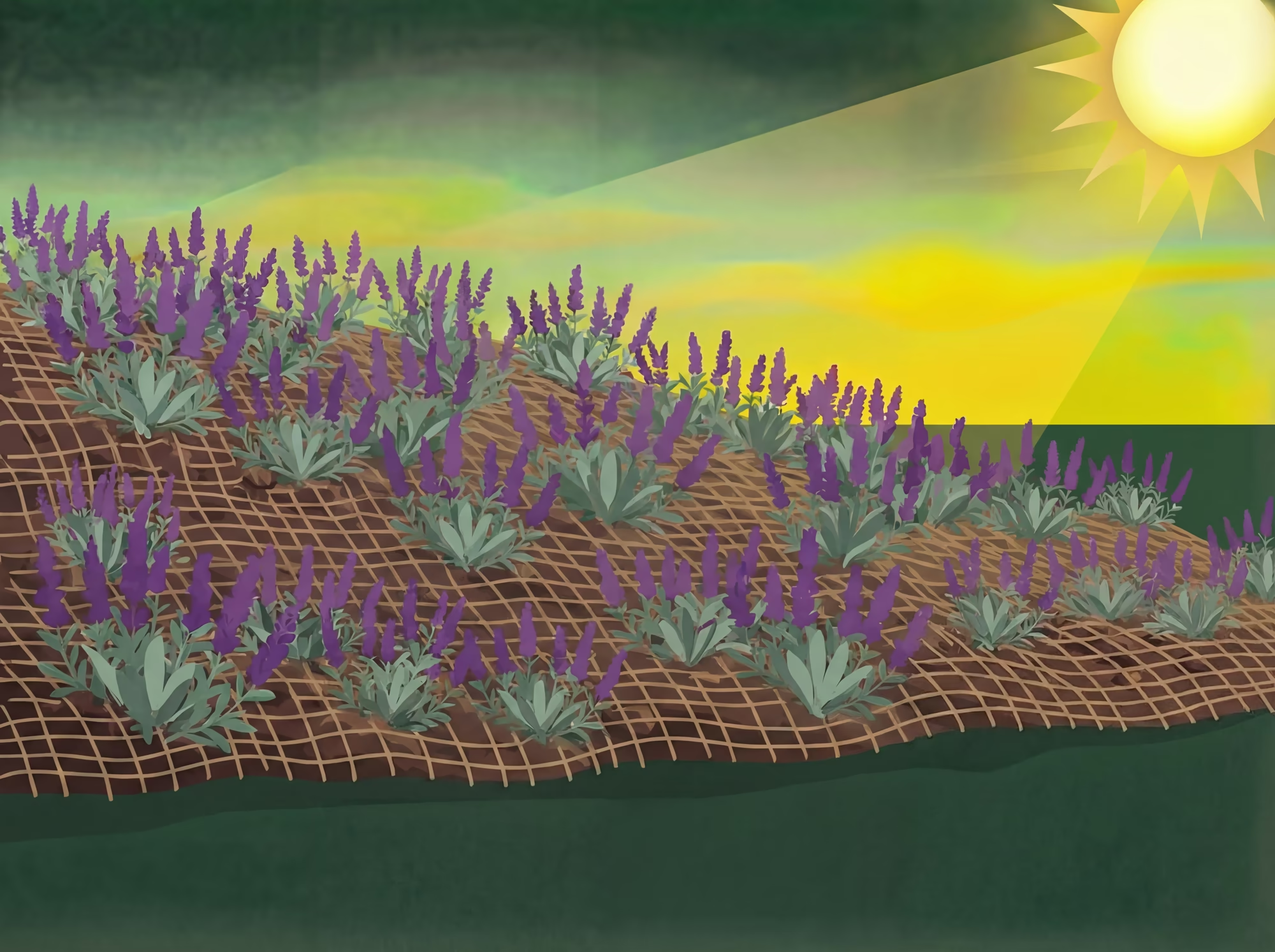

A well-mulched landscape is one of the simplest upgrades you can make to your Yardtopia, and the results speak for themselves. Whether you are building raised vegetable beds, refreshing your front yard perennials, or transforming your entire outdoor space, these techniques will help you get the most from every cubic yard.
KEY TAKEAWAYS
- Knowing how to mulch correctly protects your soil, conserves water, and cuts down on yard maintenance, giving you more time to enjoy your outdoor space.
- Organic mulches like wood chips, shredded leaves, and straw break down over time to feed your soil, while inorganic options such as gravel and landscape fabric provide long-lasting weed suppression.
- Apply mulch 2-4 inches deep around plants, always leaving a gap near stems and trunks (donut shape, not volcano) to prevent rot and pest problems.
Mulch is one of those gardening fundamentals that sounds simple on the surface but delivers outsized results when you get it right. A well-mulched garden retains moisture longer, grows fewer weeds, and develops richer soil season after season. Yet many homeowners either skip mulching entirely or spread it without much thought, missing out on the full range of benefits.
For Southern California gardeners, mulch is especially valuable. In a region where water is precious and summer heat can bake exposed soil, a proper mulch layer acts as insulation, keeping roots cool and cutting irrigation needs by up to 50 percent. That translates to lower water bills, less time dragging hoses, and healthier plants that actually thrive in our Mediterranean climate.
This guide walks you through everything you need to know about how to mulch your garden effectively, from choosing the right type for your landscape to applying it at the correct depth and timing your mulching for maximum impact.
What Does Mulch Do for Your Garden?
Mulch is any material spread over the surface of your soil to protect and improve it. Think of it as a protective blanket that shields the ground from temperature extremes, heavy rain, and the drying effects of sun and wind. That single layer of coverage triggers a cascade of benefits that make your entire garden healthier.
Moisture retention stands out as the most immediate advantage. Bare soil in Southern California can lose moisture at an alarming rate during warm, dry stretches. A 3-inch mulch layer slows evaporation dramatically, keeping the root zone consistently moist and reducing how often you need to water. For homeowners already running drip irrigation or smart controllers, adding mulch amplifies the efficiency of every drop.
Weed suppression is the other major win. Mulch blocks sunlight from reaching weed seeds, preventing most of them from germinating in the first place. The weeds that do push through are easier to pull from loose, mulched soil than from hard-packed dirt. Less weeding means more time spent actually enjoying your outdoor living space rather than maintaining it.
Beyond moisture and weeds, mulch moderates soil temperature (keeping roots cool in summer and insulated in winter), prevents erosion during heavy rain events, and gives garden beds a polished, cohesive look that ties your whole Yardtopia together. Organic mulches add a bonus layer of value: as they decompose, they feed beneficial microorganisms and improve soil structure over time.
GOOD TO KNOW
A well-maintained mulch layer can reduce water use by 25-50 percent and cut weeding time by as much as 90 percent. In areas like Orange County where water rates continue to rise, those savings add up quickly across a full growing season.
What Are the Best Types of Mulch for Your Landscape?
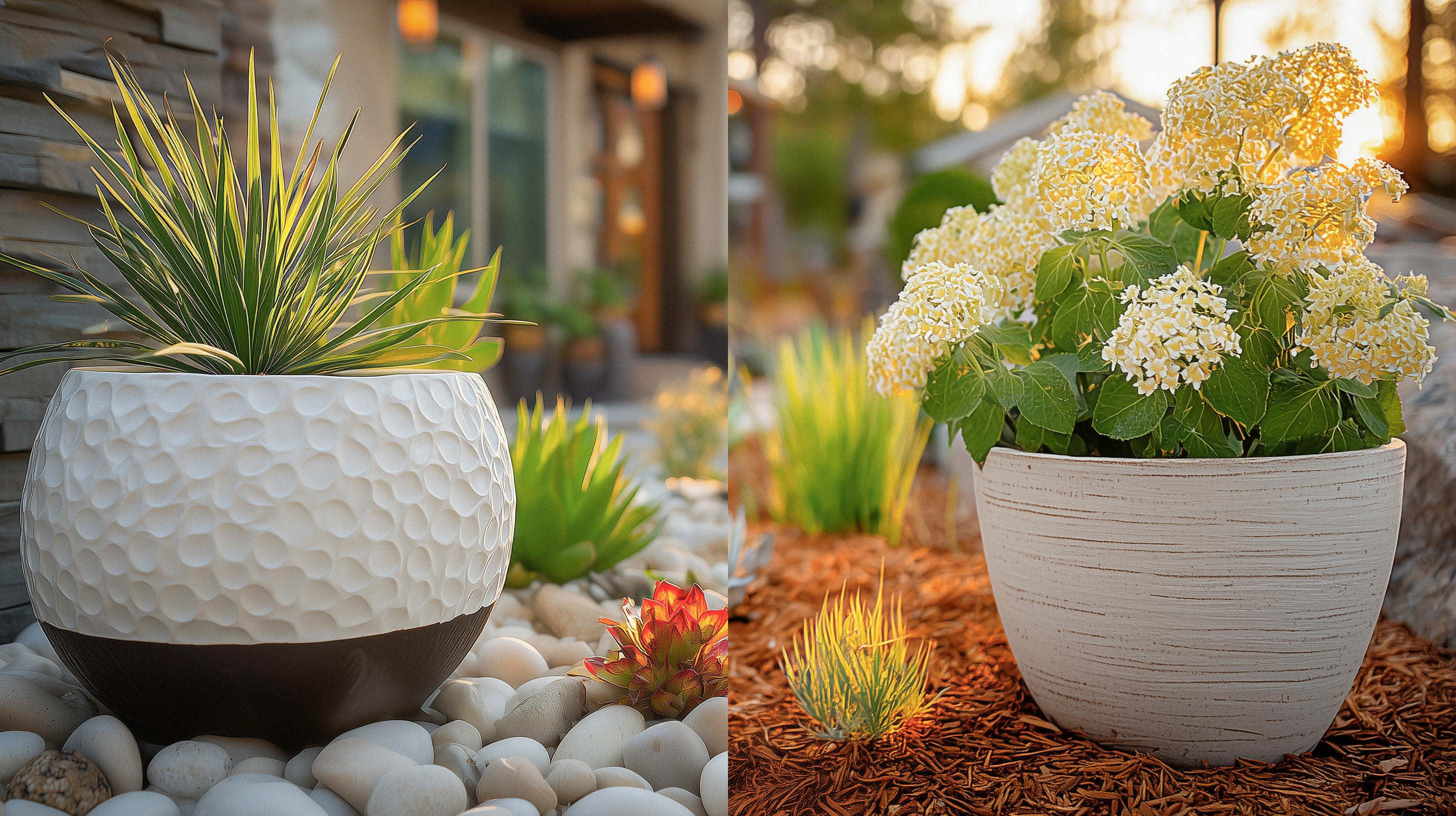
Mulch breaks down into two broad categories, organic and inorganic, and each serves different purposes in different parts of your yard. The right choice depends on what you are growing and the vision you have for your Yardtopia. Understanding the strengths of each type helps you match the right mulch to the right application.
Organic Mulches
Organic mulches come from once-living materials. They decompose gradually, feeding your soil as they break down. This makes them the top choice for garden beds, vegetable plots, and anywhere you want to build long-term soil health.
Wood chips and bark: The most popular landscape mulch. Long-lasting (1--3 years before needing a refresh), attractive in beds and pathways, and excellent at suppressing weeds. Best for ornamental beds, around trees, and along walkways.
Shredded leaves: Free, abundant in fall, and ideal for vegetable gardens and annual flower beds. They decompose within a single season, enriching the soil with organic matter. Run them through a mower or leaf shredder first so they mat less.
Straw: A vegetable garden staple. Light and airy, straw lets water pass through easily while keeping soil cool. Choose seed-free straw to avoid introducing unwanted grass into your beds.
Compost: The gold standard for soil building. Finished compost applied as a top layer serves double duty as both mulch and fertilizer. Spread a 1--2 inch layer over beds and let it work its way into the soil naturally.
Grass clippings: Nitrogen-rich and fast to decompose. Apply in thin layers (1--2 inches) to avoid clumping and odor. Works well as a quick-cover mulch between vegetable rows.
"Clay is rich in nutrients and great for plants. Consider using a garden fork and trowel to aerate the soil to a depth of 6 to 12 inches to increase air circulation and root penetration. Adding organic matter such as compost and gypsum during this process can improve soil structure and drainage as well."
Juan Garcia, Senior Water Efficiency Specialist, IRWD
Inorganic Mulches
Inorganic mulches do not decompose, which means they last for years without replacement. They excel in areas where you want permanent ground cover without ongoing maintenance.
Gravel and decorative stone: A natural fit for Southern California landscapes. Gravel works beautifully in drought-tolerant garden designs, around succulents, and along pathways. It drains quickly and reflects heat away from low-growing plants.
Landscape fabric: Placed beneath other mulch types to provide extra weed suppression. Most effective under gravel or stone. Avoid using fabric alone in garden beds, as it can restrict water and nutrient flow to roots over time. Rubber mulch: Made from recycled tires. Durable and low-maintenance for play areas, but does not improve soil health and can retain significant heat in direct sun. Not recommended for garden beds.
EXPERT TIP
For most Southern California yards, wood chips and bark mulch deliver the best all-around value. They moderate soil temperature, break down to improve clay-heavy soils common in Orange County, and look polished in both front and backyard beds. If you are building a drought-tolerant garden with California natives and succulents, pair gravel mulch with drip irrigation for a clean, water-smart design.
How Deep Should Mulch Be?
Getting mulch depth right is one of the most practical details that separates an effective mulch job from a wasted effort. Too thin and weeds push right through. Too thick and you suffocate roots, trap excess moisture, and create conditions for fungal disease.
The general rule is 2 to 4 inches, but the ideal depth depends on where you are applying it and what type of mulch you are using.
Application AreaRecommended DepthNotesVegetable gardens2-3 inchesUse organic mulch that breaks down within a season (straw, shredded leaves, compost)Flower beds2-3 inchesFine-textured mulch works best around smaller plants and annualsAround trees and shrubs3-4 inchesKeep mulch 3-6 inches away from trunks to prevent rotPathways4-6 inchesThicker layers for heavy foot traffic areas; wood chips or gravelSlopes and hillsides3-4 inchesChunky mulch (large bark) stays in place better on inclines
One measurement trick that simplifies the process: a standard 2-cubic-foot bag of mulch covers roughly 12 square feet at 2 inches deep. For larger projects, a cubic yard of bulk mulch covers about 160 square feet at the same depth. Measure your beds before buying so you bring home the right amount and avoid multiple trips. Whether your Yardtopia spans a compact courtyard or a full-sized lot, knowing your square footage upfront saves time and money.
PRO TIP
Do you have clay soil? No need to worry. Clay is rich in nutrients and great for plants. But sometimes it gets compacted and needs a little help. Consider using a garden fork and trowel to aerate the soil to a depth of 6 to 12 inches to increase air circulation and root penetration. Adding organic matter such as compost and gypsum during this process can improve soil structure and drainage as well. Last, apply mulch to help retain moisture and reduce soil temperature. — attributed to Juan Garcia, IRWD.
How Do You Apply Mulch the Right Way?
Applying mulch is straightforward once you know the technique. A few intentional steps make the difference between mulch that works hard for your garden and mulch that creates new problems.
Step 1: Prepare the Area
Start by clearing the bed of existing weeds, dead plant material, and debris. If weeds are already established, pull them by the roots rather than cutting them at the surface. For heavily weeded areas, consider laying down a single layer of cardboard or newspaper before mulching. This biodegradable barrier smothers existing weeds while eventually breaking down and feeding the soil.
Step 2: Water First
Give the area a thorough watering before spreading mulch. Dry soil beneath mulch can become hydrophobic (water-repellent) over time, making it harder for moisture to penetrate. Starting with damp soil ensures good contact between the ground and your mulch layer.
Step 3: Spread Evenly
Dump mulch in small piles throughout the bed, then use a rake to spread it evenly to your target depth. Work from the back of the bed toward the front so you are not stepping on freshly mulched areas. Keep the layer consistent rather than piling it higher in some spots and thinner in others.
Step 4: Leave Room Around Plants
GOOD TO KNOW
The Donut Rule: Always leave a 3-6 inch gap between mulch and plant stems or tree trunks. Mulch piled directly against stems (called "volcano mulching") traps moisture against bark, invites rot and fungal disease, and creates hiding spots for pests. Shape mulch like a donut around each plant, not a volcano. This single habit prevents the most common mulching mistake homeowners make.
Step 5: Water Again
After spreading, give the mulch a light watering to settle it in place and start the moisture-retention process. This is especially helpful with fine mulches like shredded leaves or grass clippings that can blow away before they settle. Once that final rinse soaks in, step back and take a look at the difference. A freshly mulched Yardtopia has a finished, intentional quality that bare soil simply cannot match.
What Is the Best Mulch for a Vegetable Garden?
Vegetable gardens have specific mulching needs that differ from ornamental beds. Your edible plants grow fast, have shallow roots, and need consistent moisture and nutrient access throughout the growing season. The best mulch for a vegetable garden breaks down within one season, does not tie up nitrogen as it decomposes, and keeps soil temperatures stable.
Straw ranks as the top all-around choice for vegetable beds. It stays light and airy, letting water pass through easily to the root zone. It keeps soil cool during warm stretches and insulates against cool nights. And when the season wraps up, you can turn it directly into the soil to boost organic matter.
Shredded leaves are a close second, especially in fall and winter gardens. Collect them, run them through a mower to reduce size, and spread a 2-inch layer between rows and around established plants. They decompose faster than straw, which means they feed the soil sooner but may need a mid-season top-up.
Compost as a mulch layer offers the ultimate dual benefit. A 1 to 2-inch topdressing of finished compost protects the soil surface while continuously releasing nutrients to your crops. For raised beds in particular, this approach builds soil quality rapidly over consecutive seasons. If growing your own food is part of the vision for your Yardtopia, compost mulching is the fastest way to get there.
A few mulches to avoid in vegetable gardens: fresh wood chips (they pull nitrogen from soil as they decompose, competing with your crops), rubber mulch (no soil benefit and potential chemical leaching), and any dyed or treated mulch (the chemicals can transfer to edible plants).
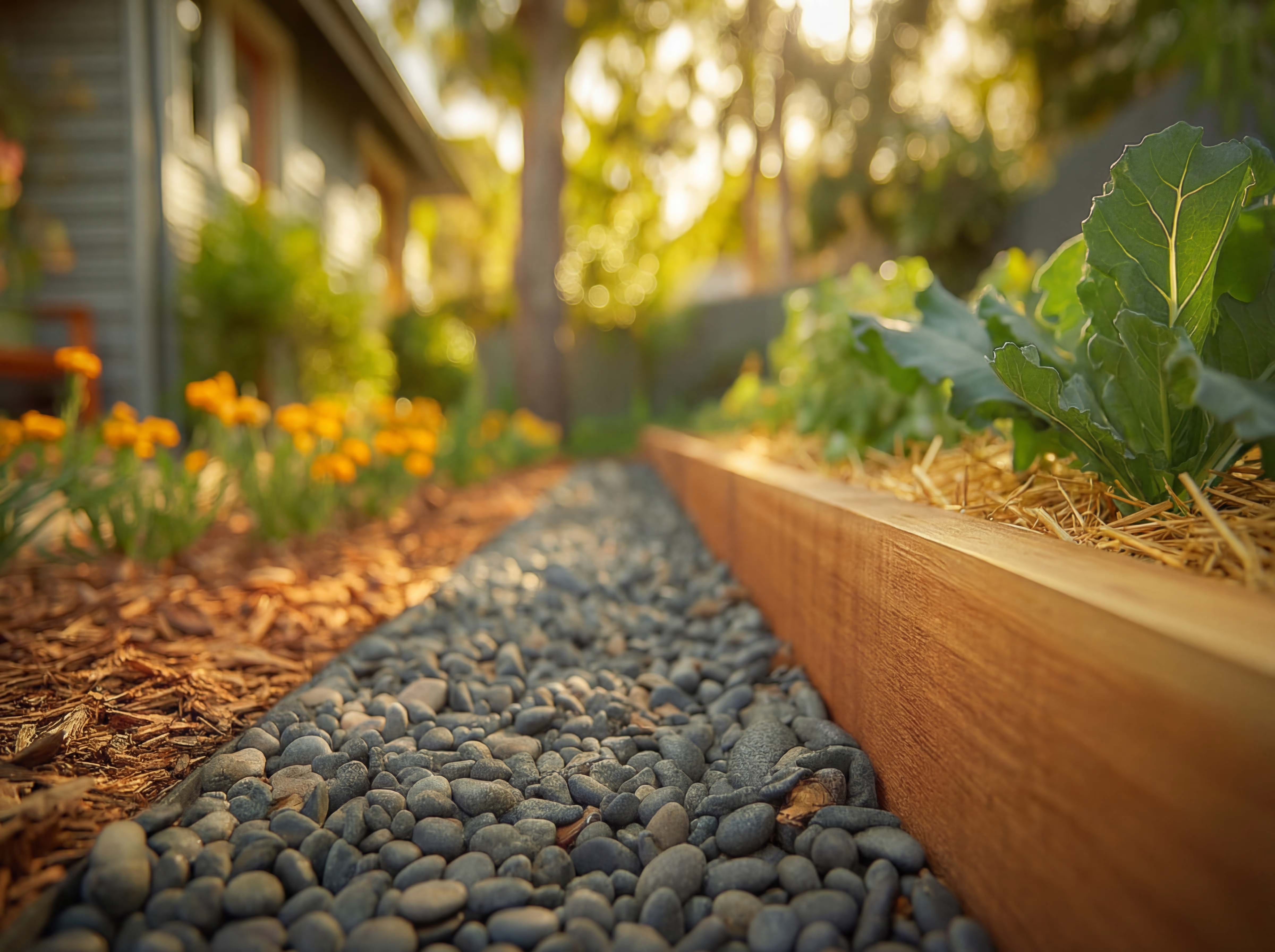
GOOD TO KNOW
Southern California's mild winters extend the vegetable growing season well past what most of the country experiences. Fall and winter crops like lettuce, kale, broccoli, peas, and root vegetables thrive here from October through March. Mulching these beds helps moderate the wider temperature swings between warm days and cool nights that are common during our "second growing season."
When Is the Best Time to Mulch Your Garden?
Timing your mulch application to match the seasons ensures your plants get the right kind of protection at the right moment. In Southern California, the rules look a bit different than what national gardening guides suggest.
Spring (March through May)
Early spring is the most popular time to mulch. After any winter rain cleanup, refresh existing beds with a new 1 to 2-inch layer or start from scratch with a full 3-inch application. The goal here is to lock in the moisture from late-season rains before summer heat arrives and to get ahead of spring weed growth.
Fall (October through November)
Fall mulching is the unsung hero of Southern California gardening. As daytime temperatures drop into a comfortable range and the soil still holds warmth from summer, adding mulch at this stage protects roots through cooler nights, conserves moisture heading into drier months, and sets up ideal conditions for fall-planted vegetables, flowers, and native shrubs. Late October through mid-November is the sweet spot for the Orange County area.
If you are planting a fall vegetable garden, apply mulch after transplanting seedlings or once direct-sown seeds have germinated and grown a few inches tall. This locks in stored soil warmth while giving new plants room to establish.
Summer Maintenance
Check mulch depth in mid-summer and add a thin refresher layer if it has thinned below 2 inches. Hot, dry conditions break down organic mulch faster, so a quick top-up in July or August keeps protection consistent through the warmest weeks.
Your Yardtopia is a space that rewards attention across all four seasons. A simple mulching calendar (refresh in spring, protect in fall, check in summer) keeps your landscape looking polished year-round while doing the quiet work of building better soil beneath the surface.
EXPERT TIP
Fall is one of the best times to mulch in Southern California, and Irvine Ranch Water District makes it even easier with rebates on mulch purchases for residential customers. A 3-inch layer is all you need to protect your soil and save water. Check Yardtopia.com for current rebate details, eligibility requirements, and pickup locations.
Frequently Asked Questions About Mulching
Does mulch attract bugs?
Organic mulch can provide habitat for insects, but most of the bugs it attracts are beneficial decomposers like earthworms and beetles that improve soil health. To minimize pest concerns, keep mulch pulled back from your home's foundation by at least 12 inches, avoid piling mulch against plant stems, and choose coarser mulches (wood chips over fine shredded bark) which retain less moisture at the surface. A properly mulched Yardtopia actually supports a healthier ecosystem. Termite concerns are common but largely overstated: termites are drawn to the moisture mulch holds, not the wood itself, so proper drainage and foundation clearance address the root issue.
What is the difference between mulch and compost?
Mulch sits on top of the soil as a protective covering. Compost is a soil amendment that feeds plants and improves soil structure. Finished compost can serve as mulch (spread on the surface), but mulch does not function as compost unless it has fully decomposed. The simplest approach for garden beds: apply compost directly to the soil surface first, then add a layer of mulch on top for the combined benefits of feeding and protecting.
How often should you replace mulch?
Organic mulch typically needs refreshing once or twice a year. Wood chips and bark last 1 to 3 years before breaking down significantly. Straw and shredded leaves decompose within a single growing season and need replacement when you replant. Rather than removing old mulch, add fresh material on top. The decomposing layer underneath continues enriching your soil.
Can you put too much mulch on a garden?
Yes. Mulch deeper than 4 inches can suffocate plant roots, trap excessive moisture, and create anaerobic conditions that damage soil health. "Volcano mulching" around trees (piling mulch high against the trunk) is especially harmful and can kill mature trees over time. Stick to the recommended 2 to 4 inches and keep it level.
Should you mulch around trees?
Mulching around trees is one of the most beneficial things you can do for their health, but technique matters. Spread mulch in a wide circle extending to the drip line (the outer edge of the canopy), 3 to 4 inches deep, and leave a 6-inch gap around the trunk. This mimics the natural leaf litter that trees grow in, protects surface roots, and reduces competition from grass and weeds. If trees anchor your Yardtopia, proper mulching keeps them thriving for decades.
Is it better to mulch in spring or fall?
Both. Spring mulching conserves moisture heading into summer and suppresses early weed growth. Fall mulching insulates roots through cooler weather and protects newly planted perennials, vegetables, and shrubs. In Southern California, fall mulching often delivers the greatest impact because it sets your Yardtopia up for success through the mild winter growing season while preparing soil for spring.
The Bottom Line
Mulching is one of the simplest, highest-return investments you can make in your garden. A well-applied layer of the right mulch conserves water, suppresses weeds, builds soil health, and keeps your landscape looking its best across every season.
Start with these steps:
A few bags of mulch and an afternoon of work can transform the health and appearance of your entire landscape. That is time well spent on your Yardtopia.