

Every garden attracts insects and it's a sign your ecosystem is alive. The real question is how you manage the balance between the pests that damage your plants and the beneficial creatures that keep everything thriving in your Yardtopia.
KEY TAKEAWAYS
- Dozens of beautiful, fragrant plants that repel bugs also happen to thrive in Southern California's climate, giving you pest protection and water-wise landscaping in a single planting.
- The most effective natural pest control combines multiple strategies: bug-repelling plants, companion planting, physical barriers, and habitat for beneficial insects that do the heavy lifting for you.
- Many of the best insect-repelling plants (lavender, rosemary, basil, marigolds) are drought-tolerant, low-maintenance, and pull double duty as culinary herbs, pollinator magnets, or ornamental features in your garden.
Why Should You Use Plants to Repel Bugs Instead of Chemicals?
Plants that repel bugs offer one of the most elegant solutions available: natural pest control that looks gorgeous, smells incredible, and works around the clock without a single spray bottle.
The plant-based approach works differently. Lavender, rosemary, citronella, marigolds, and dozens of other species produce volatile compounds that specific insects find repulsive. These compounds evolved as the plants' own defense mechanisms over millions of years. When you place these plants strategically throughout your garden, you create overlapping zones of natural protection that deter pests while attracting pollinators, butterflies, and beneficial predators.
This guide covers the specific plants that repel bugs in Southern California, how to position them for maximum effect, which companion planting combinations work best, and how to build a complete pest-management ecosystem that keeps your garden beautiful with minimal intervention.
What Are the Best Plants That Repel Bugs in Southern California?
Not every bug-repelling plant performs equally in every climate. Southern California's hot, dry summers and mild winters create specific conditions that favor Mediterranean and California-native species. The plants listed below earned their spot based on three criteria: proven pest-repelling properties, strong performance in USDA zones 9 through 11, and low to moderate water requirements and can be planted in various ways to blend into your Yardtopia seamlessly.
Lavender (Lavandula)
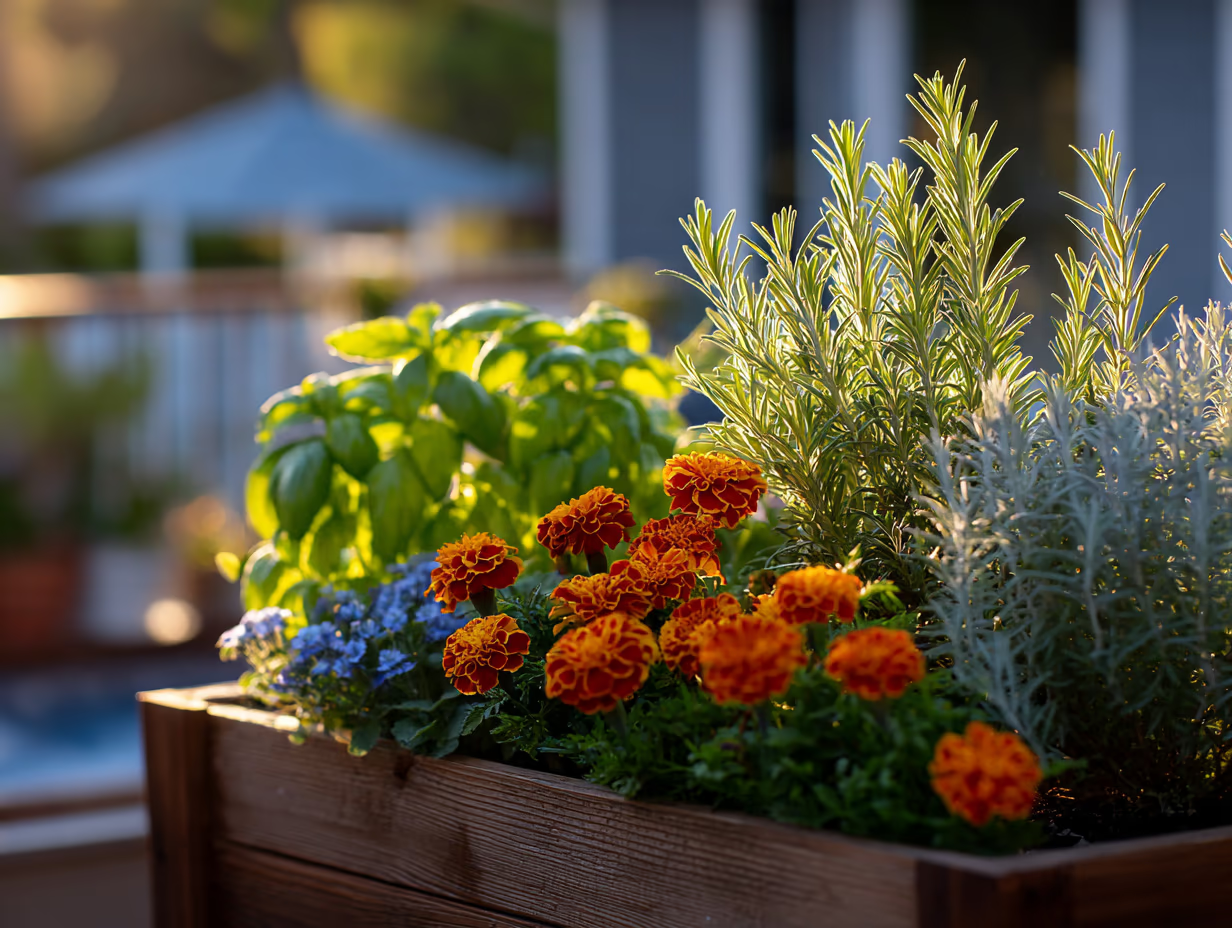
Lavender is the workhorse of natural pest control. Its strong fragrance repels mosquitoes, moths, fleas, flies, and ants, all while attracting bees and butterflies. The plant thrives in Southern California's heat and well-drained soils, requires minimal supplemental water once established, and produces fragrant purple blooms from late spring through summer. Plant it along walkways, around seating areas, or as a low border along garden beds. English lavender (Lavandula angustifolia) and French lavender (Lavandula dentata) both perform well in Orange County.
Rosemary (Salvia rosmarinus)
Rosemary's potent oils repel mosquitoes, carrot flies, cabbage moths, and several species of beetles. This evergreen shrub practically takes care of itself in Southern California, growing into dense, aromatic hedges that double as culinary herbs. Use trailing varieties as ground cover on slopes or upright varieties as informal borders. Rosemary blooms attract beneficial pollinators while its oils discourage pest insects from settling in nearby plants.
Basil (Ocimum basilicum)
Basil emits a pungent scent that repels mosquitoes, flies, thrips, and aphids. The compounds responsible (citronellal and eugenol) are released passively from the leaves, meaning basil works as a pest deterrent simply by growing. Plant it near doorways, around outdoor dining areas, and alongside tomatoes, where it also improves fruit flavor. In Southern California, basil grows as a warm-season annual from April through October and appreciates consistent moisture.
EXPERT TIP: Shelly Trainor, Master Gardener Speaker, University of California Cooperative Extension
As a Master Gardener, I regularly address the concept of Integrated Pest Management. Start with a healthy environment for your plants with sun, water, soil and seasonality. Physically remove pests, encourage natural predators, and use naturally-occurring substances such as iron phosphate, soaps, pyrethrins, oils, and bacterials before pesticides.
Marigolds (Tagetes)
Marigolds are one of the most studied pest-repelling plants in horticulture. Their roots release a compound called alpha-terthienyl that repels root-knot nematodes in the soil, while their foliage deters whiteflies, aphids, and tomato hornworms above ground. French marigolds (Tagetes patula) offer the strongest pest-repelling properties, while African marigolds (Tagetes erecta) provide dramatic height and color. Both varieties are heat-tolerant, drought-resistant once established, and bloom prolifically from spring through fall.
Citronella Grass (Cymbopogon nardus)
The source of citronella oil, this clumping grass is one of the most recognized natural mosquito deterrents. Citronella grass grows 5 to 6 feet tall, making it a striking architectural element in the landscape. It thrives in full sun and well-drained soil, precisely the conditions Southern California provides. Place it near patios, pool areas, and outdoor seating to create a fragrant buffer zone against mosquitoes. Note that the "citronella plant" sold at nurseries (actually a scented geranium) is not the same species and is less effective.
Chrysanthemums (Chrysanthemum)
Chrysanthemums produce pyrethrin, a compound so effective at killing insects that it serves as the basis for many commercial insecticides. The flowers repel roaches, ants, ticks, fleas, bedbugs, lice, and silverfish. Plant them around your garden perimeter or near entryways to your home. Chrysanthemums prefer full sun and moderate water, performing well in Southern California from fall through early spring when temperatures stay below 90 degrees.
Lemongrass (Cymbopogon citratus)
Closely related to citronella grass, lemongrass contains high concentrations of citral, a compound that repels mosquitoes and several other flying insects. It grows rapidly in Southern California's warm climate, reaching 3 to 5 feet tall, and does double duty as a culinary staple in Thai and Vietnamese cooking. Plant it in clumps near seating areas or along garden borders for both pest protection and kitchen harvesting.
Mint (Mentha)
Mint's intense menthol scent drives away mosquitoes, ants, spiders, and mice. The plant grows aggressively, which makes it ideal for container planting where you want concentrated pest protection without invasion of your garden beds. Place potted mint on patios, near doorways, and around outdoor kitchen areas. Peppermint and spearmint varieties are the most effective repellents and both grow year-round in Southern California's mild climate.
GOOD TO KNOW
Mint spreads rapidly through underground runners and can overtake garden beds within a single growing season. Always plant mint in containers, raised planters with solid bottoms, or areas bordered by hardscape. This keeps the pest protection benefits without the maintenance headache of containing an invasive grower.
Additional Bug-Repelling Plants for Southern California
Several other species round out a comprehensive pest-management planting plan. Catnip repels mosquitoes with ten times the effectiveness of DEET in some studies, though it will attract neighborhood cats. Petunias repel aphids, tomato hornworms, and squash bugs while adding vibrant color. Sage deters cabbage moths and carrot flies. Oregano repels many common garden pests and requires almost no supplemental water in Southern California. Geraniums (especially the lemon-scented variety) deter leafhoppers and many flying insects.
Quick Reference: Bug-Repelling Plants at a Glance
Use this chart to plan your plantings by matching the pests in your garden with the plants that repel them. Every species listed below grows well in Southern California's USDA zones 9 through 11.
| Plant | Pests Repelled | Growing Notes (SoCal) | Bonus Benefits |
|---|---|---|---|
| Lavender | Mosquitoes, moths, fleas, flies, ants | Full sun, low water, well-drained soil | Pollinator magnet, fragrant cut flowers |
| Rosemary | Mosquitoes, carrot flies, cabbage moths, beetles | Full sun, drought-tolerant once established | Culinary herb, evergreen hedge |
| Basil | Mosquitoes, flies, thrips, aphids | Full sun, moderate water, warm season | Culinary herb, companion to tomatoes |
| Marigolds | Whiteflies, aphids, nematodes, hornworms | Full sun, low water, heat-tolerant | Vivid garden color, soil health |
| Citronella Grass | Mosquitoes, flying insects | Full sun, moderate water, well-drained | Dramatic 5-6ft architectural element |
| Chrysanthemums | Roaches, ants, ticks, fleas, bedbugs | Full sun, moderate water | Fall color, source of pyrethrin |
| Lemongrass | Mosquitoes, flying insects | Full sun, moderate water | Culinary herb (Thai, Vietnamese) |
| Mint | Mosquitoes, ants, spiders, mice | Partial to full sun, moderate water | Culinary herb (plant in containers!) |
Which Plants Repel Mosquitoes Best in Southern California?
Mosquitoes rank as the number one pest complaint among Southern California homeowners who spend time in their yards. The region's warm evenings and irrigated landscapes create ideal mosquito habitat, making plant-based repellent strategies especially valuable for anyone who wants to enjoy outdoor living without constant swatting.
The most effective mosquito-repelling plants produce volatile organic compounds that interfere with a mosquito's ability to detect the carbon dioxide and body heat that lead it to human skin. Citronella grass and lemongrass rank highest for compound concentration, followed closely by lavender, rosemary, basil, and catnip.
Strategic placement matters more than plant count. Position your strongest mosquito-repelling species within 5 to 10 feet of where people sit, eat, and gather. A cluster of citronella grass flanking your patio combined with lavender along the walkway and potted basil on the dining table creates three overlapping zones of protection. This layered approach outperforms a single row of any one species planted along a distant fence line.
For maximum effect, gently brush or crush the leaves of these plants before you settle in for an evening outdoors. This releases a concentrated burst of the volatile oils that mosquitoes avoid. Some gardeners keep small bundles of rosemary sprigs nearby to toss onto a fire pit, where the smoke carries the pest-repelling compounds across the entire seating area.
How Does Companion Planting Help Control Garden Pests?
Companion planting is one of the oldest and most effective strategies for keeping garden pests under control without chemicals. The principle is straightforward: certain plant combinations create biochemical interactions that confuse, deter, or trap pest insects. When you pair the right species, each plant makes its neighbor stronger and more resilient.
The mechanisms work in several ways. Some companion plants emit scents that mask the target plant from pests. Others release compounds through their roots that repel soil-dwelling pests like nematodes. A third category acts as "trap crops," attracting pests away from valuable plants and concentrating them where they can be managed easily.
Proven Companion Planting Pairs
Basil + Tomatoes: Basil repels aphids, whiteflies, and tomato hornworms while some gardeners report it improves tomato flavor. Plant basil at the base of tomato plants, spacing them 12 to 18 inches apart for air circulation.
Marigolds + Vegetables: French marigolds planted around the perimeter of vegetable beds repel whiteflies above ground and nematodes below. This pairing works with nearly any vegetable crop and adds a bright color border to edible gardens.
Garlic + Roses: Garlic planted around rose bushes deters aphids, Japanese beetles, and rose chafers. The sulfur compounds in garlic create an invisible barrier that these pests avoid. Space garlic bulbs 6 inches from rose stems.
Nasturtiums + Fruit Trees/Squash: Nasturtiums serve as a trap crop, luring aphids and squash bugs away from your primary plants. The pests concentrate on the nasturtiums, where they're easier to spot and remove. Nasturtiums are also edible, drought-tolerant, and produce vibrant blooms that attract pollinators.
Lavender + Almost Everything: Lavender's broad-spectrum pest repellency makes it a universal companion. Plant it near vegetable gardens, around fruit trees, along borders of ornamental beds, or anywhere you want to discourage browsing pests while welcoming bees and butterflies.
GOOD TO KNOW
Companion planting is not an all-or-nothing strategy. Even adding a single row of marigolds around your vegetable bed or tucking basil between your tomato plants creates measurable pest reduction. Start with one or two pairings that match plants you already grow, then expand based on what you observe each season.
How Do You Attract Beneficial Insects That Eat Garden Pests?
The most effective pest control agent in any garden is not a plant or a spray. It's the army of predatory insects already looking for a home. Ladybugs consume up to 5,000 aphids in their lifetime. A single green lacewing larva eats 200 aphids per week. Parasitic wasps (tiny, non-stinging species) lay their eggs inside caterpillars, controlling hornworm and cabbage moth populations without any human intervention.
Attracting these beneficial insects requires providing what they need: pollen and nectar sources, shelter, and water. Here's how to build a habitat that brings them in and keeps them working.
Plant for Pollinators and Predators
Beneficial insects need nectar and pollen to survive between pest meals. California natives like yarrow, buckwheat, California fuchsia, and coyote mint are magnets for ladybugs, lacewings, hoverflies, and parasitic wasps. Herbs allowed to flower (dill, cilantro, fennel, parsley) attract the same beneficial species. Mixing flowering plants throughout your garden beds, rather than isolating them in a single area, ensures predator insects patrol your entire landscape.
"California is the most biodiverse state in the nation. Native gardens are beautiful, save water, and provide habitat for pollinators and wildlife. Even a small native garden can help wildlife and pollinators."
Irina Ensminger, Board member, California Native Plant Society, OC Chapter
Add Water Sources
A shallow dish filled with pebbles and water gives beneficial insects a safe place to drink without drowning. Change the water every two days to prevent mosquito breeding. Place several small water stations throughout your garden rather than relying on one central source.
PRO TIP
You can provide nectar for pollinators all year long by planting flowering natives, specifically butterfly host plants that bloom at various seasons, such as California buckwheat (spring and summer), golden aster (fall), and California Lilac (winter) — attributed to Mike Evans, President, Tree of Life Nursery.
Provide Shelter
Leave small patches of leaf litter, mulch, or ground cover where beneficial insects can shelter during heat and overwinter during cool months. A simple insect hotel (a bundle of hollow bamboo stems or drilled wood blocks) provides nesting habitat for solitary bees and parasitic wasps. Position these sheltered areas near your garden beds so predators have quick access to pest populations.
Install Birdhouses for Insect-Eating Birds
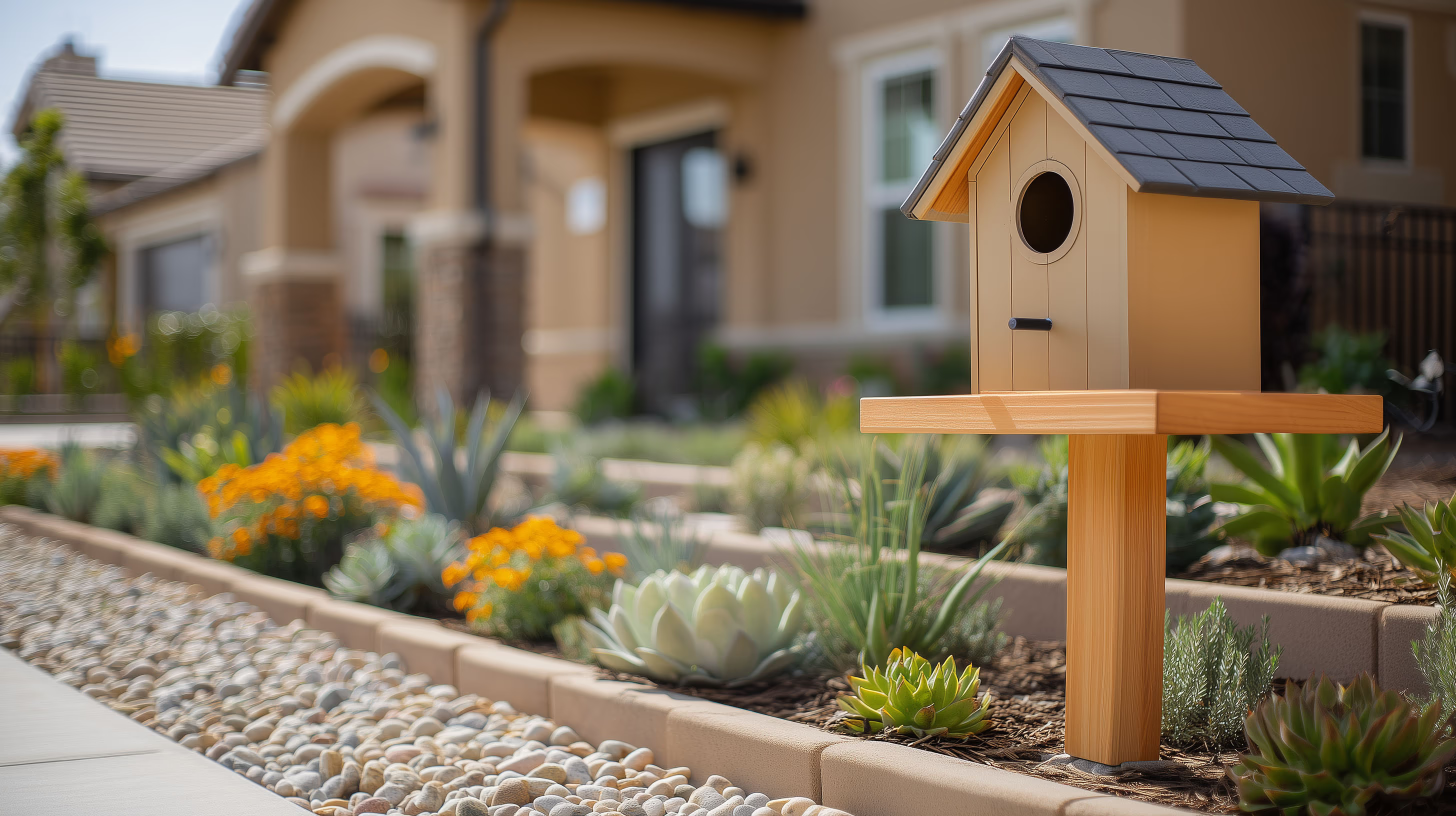
Wrens, bluebirds, and chickadees consume enormous quantities of caterpillars, beetles, and grubs. Mounting birdhouses at appropriate heights and facing away from prevailing winds attracts these natural pest control specialists. A birdbath or shallow water feature completes the habitat and brings bird activity into your garden consistently.
What Are the Best Non-Plant Methods for Natural Pest Control?
Plants form the foundation of natural pest management, but several physical and environmental strategies add valuable layers of protection. Combining these methods with your bug-repelling plantings creates a comprehensive defense that handles pests from multiple angles.
Reflective Deterrents
Shiny, moving objects disorient and deter birds, deer, and some flying insects by creating unpredictable flashes of light. Prismatic wind catchers, decorative mirror balls, aluminum wind spinners, and crystal suncatchers hung from tree branches serve as both garden art and pest protection. Position them near fruit trees, vegetable beds, or newly planted areas where browsing damage is most costly.
Row Covers and Plant Netting
Lightweight fabric row covers (also called floating row covers) create a physical barrier between your plants and flying pests without blocking sunlight, air, or water. Use them over vegetable seedlings during peak pest season, then remove them once plants are established or when pollination is needed. Fine mesh netting protects fruit trees from birds and larger insects. Ready-made hoop frames make installation straightforward and keep your garden looking intentional rather than improvised.
Mulch and Soil Health
A 2- to 3-inch layer of organic mulch suppresses weed growth, retains soil moisture, and creates habitat for ground-dwelling predatory beetles and spiders that patrol for pests at night. Healthy, biologically active soil produces stronger plants that resist pest damage more effectively than stressed plants growing in depleted soil. Compost applications build this soil biology naturally and reduce the need for any pest intervention.
Water Management
Overwatering creates conditions that attract pests and promote fungal diseases. Drip irrigation delivers water directly to root zones, keeping foliage dry and reducing the humid microenvironment that fungus gnats, mosquitoes, and mildew thrive in. For Southern California gardens, water-efficient irrigation is both a pest management tool and a conservation strategy that aligns perfectly with your landscape goals.
GOOD TO KNOW
Designing your garden with integrated pest management in mind does not mean sacrificing beauty. Reflective wind catchers become sculptural accents. Row cover hoops add architectural structure to vegetable beds. Mulch gives garden beds a clean, polished appearance. A well-designed pest-resistant garden often looks more intentional and sophisticated than one that relies on reactive spraying. Browse design ideas and water-wise landscaping inspiration at Yardtopia.com.
How Do You Design a Pest-Resistant Garden in Southern California?
Individual plants and strategies become truly powerful when they work together as part of a designed system. A pest-resistant garden plan considers plant placement, diversity, seasonal coverage, and the overall balance between repelling harmful insects and attracting beneficial ones.
Zone Your Plantings by Purpose
Create concentric zones of protection radiating outward from your most valued areas. Place the strongest aromatic repellents (lavender, rosemary, citronella grass) closest to patios, seating areas, and outdoor dining spaces where you spend the most time. Position companion planting pairs (basil with tomatoes, marigolds with vegetables) in your edible garden zones. Use flowering natives and pollinator plants along property edges where they attract beneficial insects that patrol inward.
Maximize Plant Diversity
Monocultures invite pests. A garden with 15 different species is significantly more pest-resistant than one with 5 species, because diversity creates habitat complexity that supports predator populations and prevents any single pest species from reaching outbreak levels. Mix herbs, ornamentals, edibles, and natives throughout your beds rather than segregating them into separate areas.
Plan for Year-Round Coverage
Pests don't take seasons off in Southern California's mild climate, and your pest management strategy shouldn't either. Choose a mix of plants that bloom and produce aromatic oils across all four seasons. Rosemary and lavender provide winter and spring coverage. Basil, marigolds, and citronella handle summer. Chrysanthemums and sage carry pest protection through fall. This continuous coverage keeps beneficial insect populations stable and prevents pest species from establishing during gaps.
Include Habitat Features
Integrate the non-plant elements (bird houses, insect hotels, shallow water dishes, mulched areas) as designed features of your landscape rather than afterthoughts. A birdhouse mounted on a decorative post becomes a garden focal point. An insect hotel built from reclaimed wood adds rustic character. These features signal that your garden is alive, intentional, and working as a complete ecosystem.
Picture stepping into your backyard and seeing lavender blooming along the path, rosemary hedges lining the patio, marigolds circling the vegetable beds, and hummingbirds working the sage. That garden is not just beautiful. It's an active defense system where every plant earns its place. Your Yardtopia becomes a space where nature does the pest management and you get to enjoy the results.
Frequently Asked Questions About Plants That Repel Bugs
What plant keeps the most bugs away?
Lavender repels the widest range of common garden pests, including mosquitoes, moths, fleas, flies, and ants, making it the single most versatile bug-repelling plant. Chrysanthemums produce pyrethrin, which is effective against roaches, ticks, fleas, ants, and bedbugs. For mosquitoes specifically, citronella grass and catnip (which outperformed DEET in one Rutgers University study) are the strongest options.
Do bug-repelling plants really work?
Yes, with an important caveat. Bug-repelling plants reduce pest pressure in their immediate vicinity, typically within a 5- to 10-foot radius, by releasing volatile organic compounds that insects find repulsive. They work best as part of a layered strategy that combines multiple plant species, companion planting, beneficial insect habitat, and physical barriers. No single plant will create a pest-free zone on its own.
Which plants repel mosquitoes naturally in Southern California?
The most effective mosquito-repelling plants for Southern California include citronella grass, lemongrass, lavender, rosemary, basil, catnip, and lemon-scented geraniums. All of these species thrive in the region's warm, dry climate and USDA zones 9 through 11. Strategic placement near seating areas, combined with brushing or crushing leaves to release oils, significantly improves effectiveness.
What is the best natural pest control for vegetable gardens?
Companion planting is the most effective natural pest control method for vegetable gardens. Pair basil with tomatoes to repel aphids and hornworms, plant French marigolds around bed perimeters to deter whiteflies and nematodes, and grow nasturtiums as trap crops to lure aphids away from vegetables. Supplement with lightweight row covers during peak pest season and attract beneficial predators by interplanting herbs like dill and cilantro allowed to flower.
How do I attract ladybugs and other beneficial insects to my garden?
Provide three things: food, water, and shelter. Plant pollen and nectar sources like yarrow, buckwheat, California fuchsia, and flowering herbs (dill, cilantro, fennel). Add shallow water dishes with pebbles placed throughout the garden. Leave small areas of leaf litter or install insect hotels for nesting. Avoid broad-spectrum pesticides, which kill beneficial insects along with pests.
Can I plant mosquito-repelling plants in pots on my patio?
Absolutely. Potted lavender, basil, rosemary, mint, and lemon-scented geraniums all grow well in containers and provide concentrated pest protection on patios, decks, and near doorways. Containers offer the added advantage of mobility: you can reposition plants around seating areas for evening gatherings and move them to follow seasonal sun patterns.
What plants repel flies from outdoor dining areas?
Basil, lavender, rosemary, mint, and lemongrass all repel flies effectively. For outdoor dining areas, cluster potted basil and mint on or near the table, position rosemary and lavender within arm's reach of seating, and plant lemongrass in nearby beds. The combination of several aromatic species creates overlapping zones of protection that significantly reduces fly activity during meals.
The Bottom Line
The healthiest, most beautiful gardens are not pest-free. They are pest-balanced. The goal is not to eliminate every insect from your yard but to create an ecosystem where beneficial organisms keep harmful ones in check, fragrant plants protect your favorite spaces, and your garden thrives with minimal chemical intervention.
Start with the plants that match your needs. If mosquitoes drive you indoors, focus on citronella grass, lavender, and rosemary near your seating areas. If aphids attack your vegetables, add basil and marigold companions. If you want the full ecosystem approach, build habitat for beneficial insects and design your plantings in purposeful zones.
Every plant you add to this system compounds the effect. One lavender bush helps. Lavender plus rosemary plus marigolds plus a birdhouse plus a shallow water dish creates a self-sustaining pest management strategy that improves each season. Explore plant guides, design inspiration, and water-smart landscaping ideas at Yardtopia.com to build your Yardtopia into an outdoor sanctuary that works as beautifully as it looks.