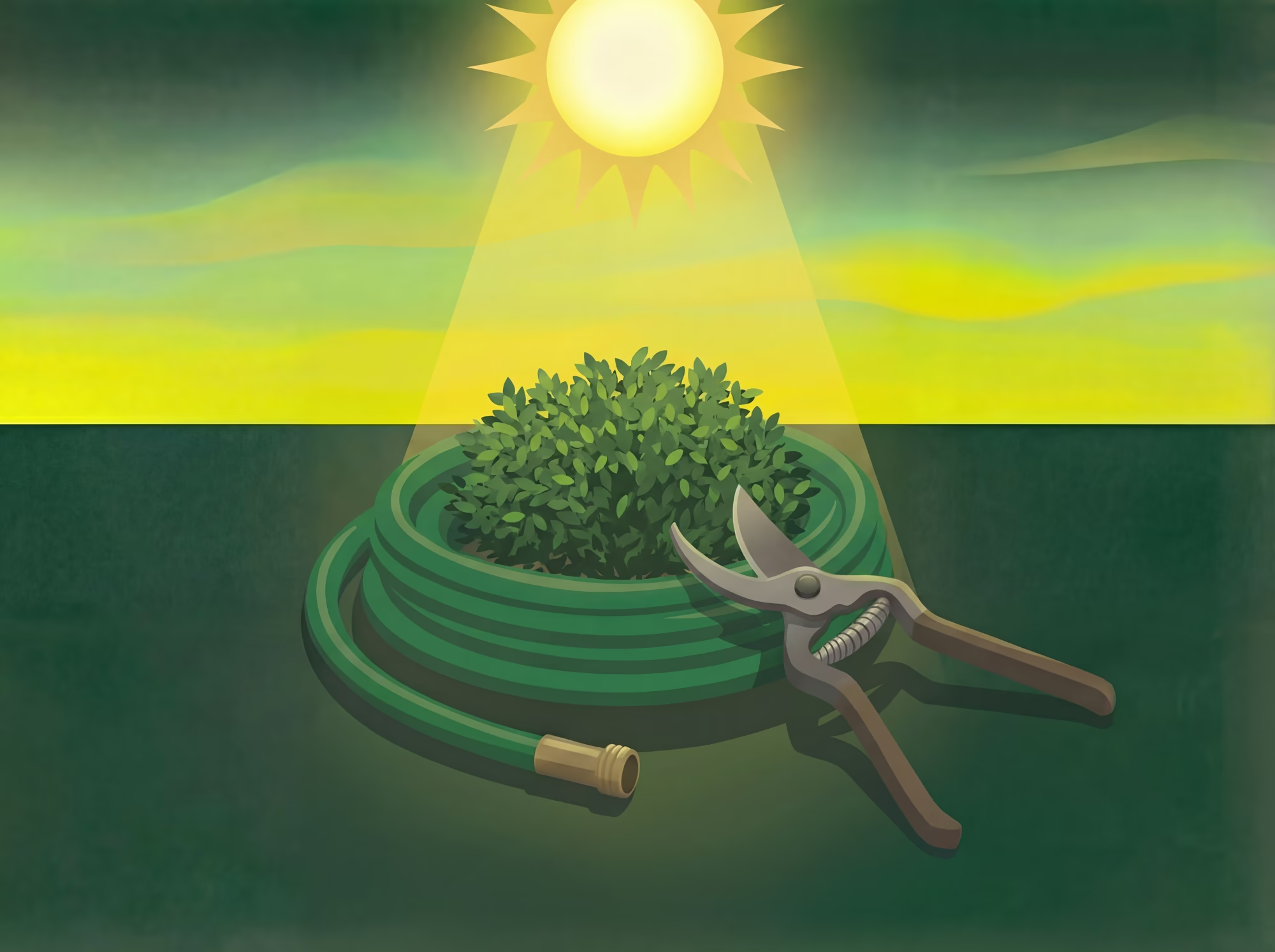
There is a quiet myth that July is the month to put the trowel down, pour an iced tea, and wait for fall. It is too hot, the thinking goes, and anything you plant now will just fry. But that myth costs SoCal homeowners one of the best planting windows of the year. If you have been wondering what to plant in July, the honest answer is plenty, as long as you choose heat-lovers and give them a smart start.
The trick is matching your picks to the season instead of fighting it. Plant the right flowers, herbs, and water-smart shrubs in July and they settle in quickly, root into warm soil, and reward you with color and fragrance by August, right when you want to be outside enjoying them.
KEY TAKEAWAYS
- July is a real planting window in SoCal, especially for heat-loving flowers, herbs, and water-smart shrubs that root faster in warm soil than in cool spring conditions
- Plant in the cooler two-hour windows of early morning or evening, and water deeply for the first two weeks while roots establish
- Skip cool-season vegetables and bare-root plants until fall, and lean into annuals, Mediterranean shrubs, and fragrant herbs instead
Can you really plant in July in SoCal?
Yes, July is a productive planting window in Southern California, especially for heat-loving flowers and herbs that establish faster in warm soil than they ever would in a cool spring. The soil is warm, the days are long, and many of the plants that struggle in chilly March weather practically leap into growth in midsummer. The catch is simple: you choose heat-adapted plants, and you give them attentive water for the first couple of weeks.
There is also a local advantage worth knowing about. Homes in the IRWD service area sit close enough to the coast to feel a marine influence that inland SoCal does not always get. Those mild mornings and the occasional marine layer take the hardest edge off the heat, which gives new July plantings a gentler runway to root in.
GOOD TO KNOW
Many neighborhoods in the IRWD service area have an HOA, and some maintain guidelines on front-yard plant height, approved plant palettes, or how much of a yard can be planted versus paved. A quick look at your HOA's landscape rules before you plant, especially in the front yard, keeps your summer refresh on the right side of the guidelines.
Why July works (and what makes it different from spring planting)
July planting works because warm soil drives fast root growth. A seedling tucked into 70-degree soil in July establishes its roots noticeably faster than the same plant set into cold spring ground, when growth stalls until things warm up. For heat-loving annuals and Mediterranean shrubs, midsummer is a head start, not a handicap.
The difference from spring is what you plant, not whether you plant. Spring is for the full range, including cool-season crops. July is for the sun worshippers: the flowers, herbs, and shrubs that actually prefer long, warm days.
The two-hour rule for planting in the heat
Plant during the two cooler hours at the edges of the day, early morning or the hour or two before sunset, and never in the midday sun. Setting plants out when temperatures peak shocks tender roots and wilts new foliage before it has a chance to settle. Morning planting is usually best because it gives roots the whole mild evening ahead to begin establishing before the next hot afternoon.
PRO TIP
Soak new plants in their nursery pots for an hour before you plant, and water the planting hole before the plant goes in. Starting with fully hydrated roots and damp surrounding soil dramatically reduces transplant stress in summer heat.
What flowers should you plant in July for fast summer color?
Heat-loving annuals like vinca and zinnia, and water-smart perennials like salvia, gaura, and lantana, settle in quickly when planted in July and bloom right through fall. These are the picks that turn a tired midsummer bed into a wash of color by August, and most of them actually thrive in the conditions that make other plants sulk.
Heat-loving annuals for instant color
For color you can see within weeks, annuals are the fastest payoff. Vinca shrugs off heat and humidity and blooms nonstop. Zinnia gives you cut-flower color in nearly every shade. Cosmos adds airy height and movement, and celosia brings bold, plume-like texture that holds up in full sun.
Zinnia (Zinnia elegans)
| Water | Sun | Size | Toxicity | Origin |
|---|---|---|---|---|
| Moderate | Full sun | 1-4 ft tall, 1-2 ft wide | Non-toxic to pets and children | Mediterranean-climate friendly annual, native to Mexico |
Vinca (Catharanthus roseus)
| Water | Sun | Size | Toxicity | Origin |
|---|---|---|---|---|
| Low | Full sun | 1-2 ft tall, 1-2 ft wide | Toxic to pets if ingested | Warm-climate annual well suited to SoCal summers |
Long-blooming perennials that settle fast
If you want plants that come back year after year, July is a great time to set out water-smart perennials. Salvia draws the eye with tall spikes of blue and purple. Gaura floats delicate blooms on wandlike stems. Lantana blankets itself in color all summer, and kangaroo paw adds an architectural, almost sculptural form that suits Irvine's clean Mediterranean look.
Cleveland sage (Salvia clevelandii)
| Water | Sun | Size | Toxicity | Origin |
|---|---|---|---|---|
| Low | Full sun | 3-5 ft tall, 4-6 ft wide | Non-toxic to pets and children | Native to Southern California |
Bold statement plants for full sun
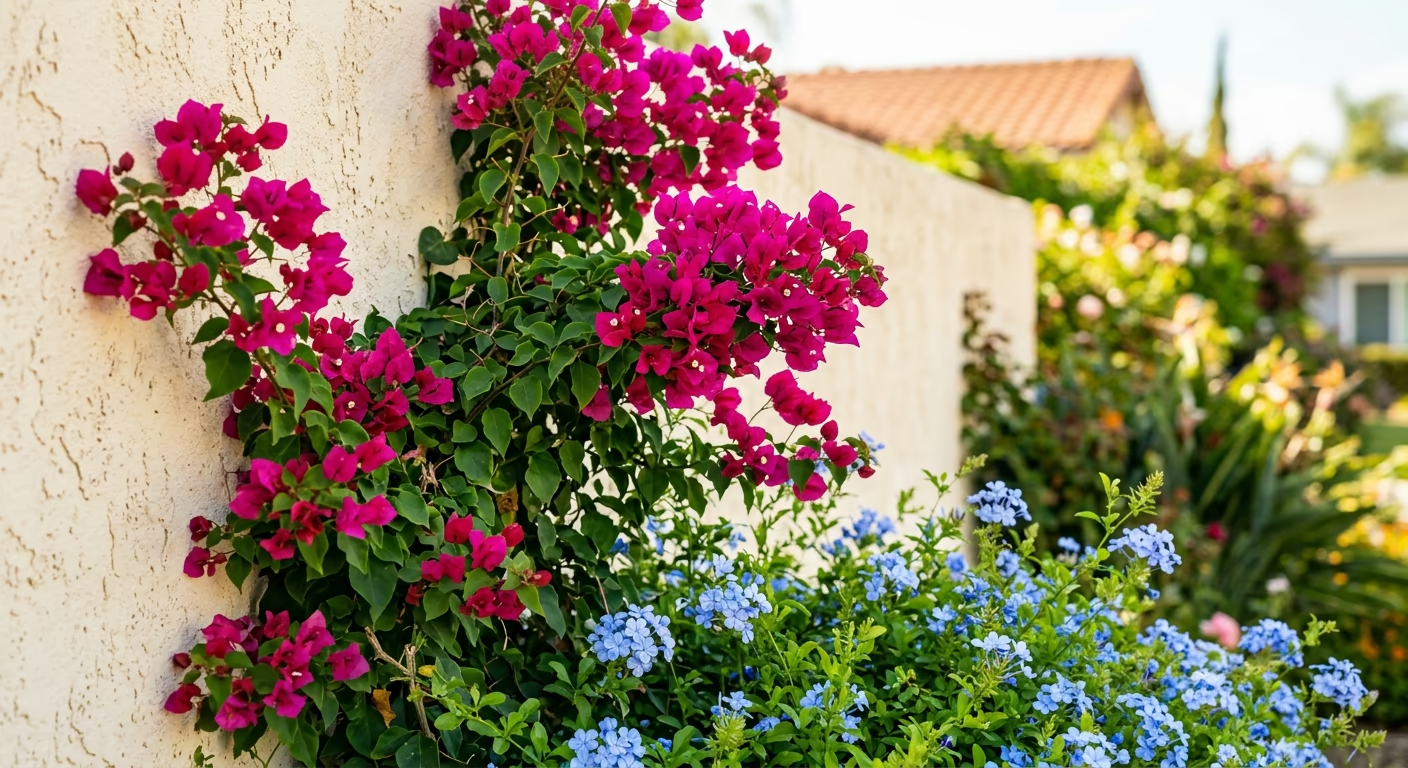
For pure SoCal drama, a few statement plants establish best in heat. Bougainvillea explodes in magenta, coral, and purple along walls and fences. Hibiscus brings tropical, dinner-plate blooms, and plumbago softens everything with cool sky-blue clusters. These are the plants that make a yard feel unmistakably Southern California.
GOOD TO KNOW
Bougainvillea and hibiscus both root best when the weather is warm, which is why nurseries stock them heavily in summer. Planted in July and watered through establishment, they often put on their strongest growth before the season is over.
Which herbs can you start in July for late summer harvests?
Basil, rosemary, thyme, oregano, and sage are the strongest herbs to plant in SoCal in July because they love warm soil and long days. They are also one of the most satisfying July picks, because they smell wonderful, look fresh in a bed or a pot, and give you something to snip for the kitchen within weeks.
Heat-loving herbs that thrive in summer
Basil is the fast win: it grows quickly in warmth and rewards regular harvesting with bushier growth. Rosemary, thyme, oregano, and sage are Mediterranean natives in spirit, perfectly at home in dry SoCal heat once established, and they double as evergreen structure in a bed.
Where to plant them
Herbs are wonderfully flexible. Tuck them into in-ground borders, group them in containers near the kitchen door, or weave them straight into ornamental beds where their foliage and fragrance earn their keep. Pairing herbs with flowering plants gives you texture, scent, and color in the same bed, and keeps the space looking lush rather than purely functional.
EXPERT TIP: Juan C. Garcia, Sr. Water Efficiency Specialist, IRWD
Group herbs by water need, not just by where they look nice. Rosemary, thyme, sage, and oregano all prefer it on the drier side, so put them together on one drip zone. Basil likes a little more moisture, so give it its own line or a container you can hand-water. That one habit keeps everything healthier through summer.
Watering and shade tips for new herb starts
New herb starts need consistent moisture for the first 10 to 14 days while roots take hold, then you can taper to deeper, less frequent watering. A light afternoon shade cloth over the most exposed spots helps tender new starts through the first week of a heat spike without coddling them long term.
PRO TIP
Snip basil and other soft herbs from the top down every week or two, even if you are not cooking with all of it. Regular pinching keeps the plant compact and bushy instead of letting it bolt and turn leggy in the heat.
What water-smart shrubs and groundcovers belong in a July plant list?
Mediterranean shrubs like rockrose and westringia, and groundcovers like dymondia, establish well in July when you give them deep, infrequent water for the first two weeks. These are the workhorses that fill space, cut down on future maintenance, and give a yard that lush, lived-in look that suits Irvine architecture so well.
Mediterranean shrubs for structure
Rockrose covers itself in papery blooms and asks for almost nothing once established. Westringia offers soft, gray-green foliage that clips into tidy mounds or hedges. Ceanothus brings clouds of blue, and ornamental sage anchors a bed with evergreen structure and scent.
Coast rosemary (Westringia fruticosa)
| Water | Sun | Size | Toxicity | Origin |
|---|---|---|---|---|
| Low | Full sun to partial shade | 3-5 ft tall, 3-6 ft wide | Non-toxic to pets and children | Mediterranean-climate shrub, Australian native |
Groundcovers that establish in heat
For living color at ground level, a few groundcovers establish beautifully in summer. Dymondia forms a tight, silvery, walkable mat. Myoporum spreads fast to fill bare ground, and creeping thyme releases fragrance underfoot while staying low and water-smart.
Silver carpet (Dymondia margaretae)
| Water | Sun | Size | Toxicity | Origin |
|---|---|---|---|---|
| Low | Full sun | 1-2 in tall, spreads 12-20 in | Non-toxic to pets and children | Mediterranean-climate groundcover, South African native |
California natives that handle summer planting
A handful of California natives take summer planting in stride and bring a soft, natural beauty to the yard. Sticky monkey-flower glows in warm orange tones, buckwheat adds airy seasonal interest, and deer grass gives graceful, fountain-like movement. Planted with care and watered through establishment, natives reward you with a relaxed, lived-in look and low long-term upkeep.
QUICK STAT
Up to 60% less water — that is roughly how much less established water-smart and native plantings can use compared to a traditional lawn, according to IRWD water efficiency guidance, once they settle in.
What should you skip planting in July (and what to plant instead)?
Skip cool-season vegetables, bare-root trees and shrubs, and tender shade lovers like impatiens in July, and wait for the right season for each instead. July is a real planting window, just not for everything, and knowing what to hold off on saves you the frustration of watching something struggle.
- Cool-season vegetables and lettuces: They bolt and turn bitter in heat. Wait until October, and in the meantime lean on heat-loving herbs for that fresh-from-the-garden feeling.
- Bare-root trees and shrubs: These establish best in the dormant season. Plant them in winter instead, when they can settle in before spring growth.
- Tender annuals like impatiens: They scorch in full SoCal sun. Reach for vinca or celosia for the same easy color without the sunburn.
GOOD TO KNOW
Holding off on a plant is not the same as giving up on it. A short skip list simply lines your yard up with the seasons, so each plant goes in when it has the best possible odds of thriving.
How do you keep new July plantings alive in SoCal heat?
Water new July plantings deeply once every two or three days for the first two weeks, then taper to deep weekly soaks as roots establish. The goal is to set yourself up so that you can actually enjoy your yard by August rather than babysitting it through the rest of summer.
“Protect plants from summer scorch. Your best line of defense is the ‘right plant, right place’ principle of selecting landscape plants that can thrive in direct sunlight. Keep your plants well-watered, and apply mulch to help retain soil moisture and lower soil temperatures.”
Juan C. Garcia, Sr. Water Efficiency Specialist, IRWD
Deep, infrequent watering for the first two weeks
Deep watering encourages roots to grow down, which makes plants far more resilient in heat than frequent shallow sprinkles. For the first two weeks, water new plantings deeply every two to three days, then stretch the interval as they settle. IRWD's seasonal watering schedule is a helpful baseline for dialing in how much your established plants need as summer goes on.
Mulch as a heat shield
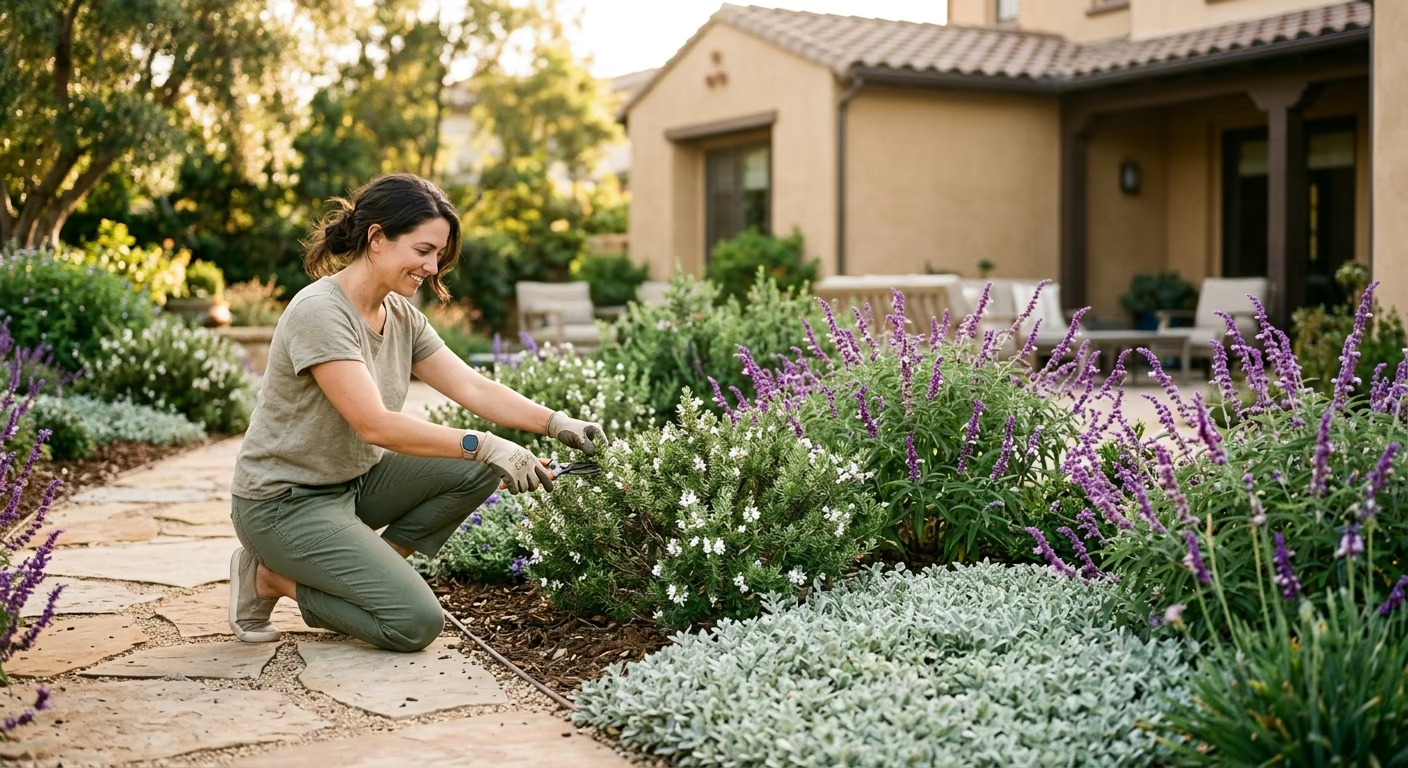
A 2 to 3 inch layer of mulch is one of the simplest things you can do for new plantings. It holds moisture in the soil, keeps roots cooler, and cuts down on weeds, all of which matter most in midsummer. Keep mulch pulled back an inch or two from plant stems so they do not stay damp and soften.
EXPERT TIP: David Gomez, Water Efficiency Specialist, IRWD
The most common July mistake I see is watering a little bit every day. New plants get lazy roots that stay near the surface, then they wilt the moment you miss a day. Water deeply and less often from the start, and add a smart controller if you want the schedule handled for you.
When to use temporary shade cloth
For the most exposed plantings, a temporary shade cloth takes the edge off the first week or a sudden heat spike. Think of it as a short-term cushion, not a permanent fixture: once new plants show fresh growth, they are usually ready to handle full sun on their own. For an even more hands-off approach, a smart irrigation controller can keep establishment watering perfectly consistent without you tracking the forecast.
Your quick guide to what to plant in July in SoCal
The easiest way to think about July planting is in three short waves across the month. Use this as a quick reference and let it pull you outside while the window is open.
| When | Focus | Best picks |
|---|---|---|
| Early July | Fast color and fresh fragrance | Annuals (vinca, zinnia, celosia) and herbs (basil, rosemary, thyme) |
| Mid July | Structure and water-smart fill | Mediterranean shrubs (rockrose, westringia) and groundcovers (dymondia, creeping thyme) |
| Late July | Set up for fall | Refresh mulch, tidy beds, and start planning fall natives and cool-season crops |
Here is the encouraging part: almost everything on this list looks its best a few weeks after it goes in. Plant a little this weekend, water it well, and by the time August arrives you will have color, scent, and a yard that feels alive in the exact months you most want to be standing in it. Start with one bed or a cluster of pots, and let the summer do the rest.